
Anúncios
Introduction to the Role of Bees in Nature
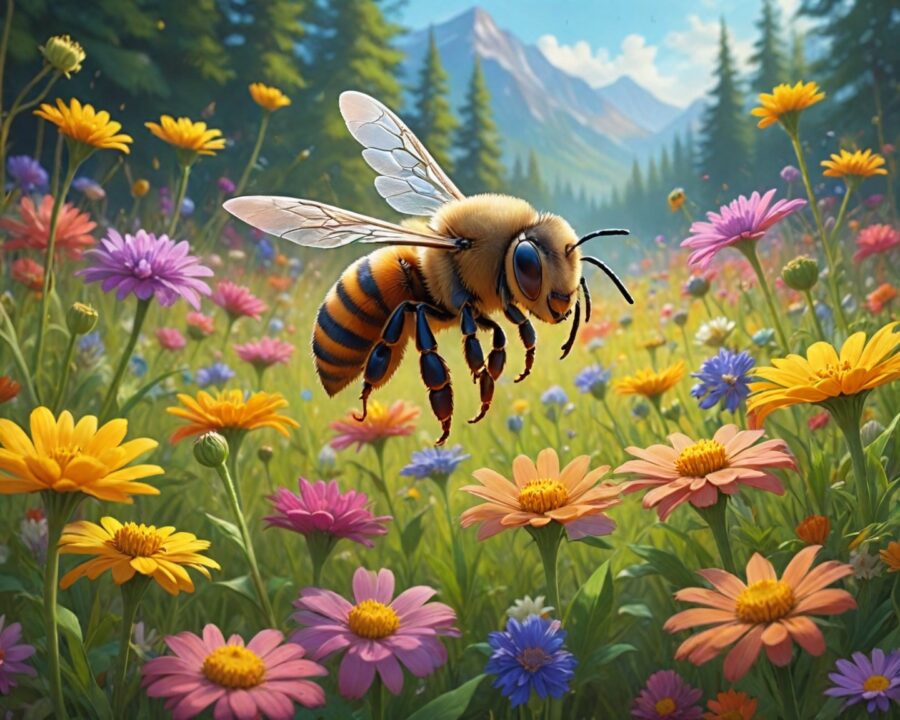
Bees are often seen buzzing around flowers, diligently collecting nectar and pollen. Yet, their significance stretches far beyond these daily activities. Bees are cornerstone species in many ecosystems, serving as one of the primary agents for pollination, a critical process that encourages plant reproduction and genetic diversity. From flowers blooming in parks to vast agricultural lands, bees’ labor-intensive activities contribute to the health and sustainability of ecosystems globally.
While the spotlight on bees has increased with the rise of environmental issues, many people still underestimate their pivotal role in maintaining ecological balance. Bees drive an essential biological process that supports not only plant life but also animal species, including humans. Understanding and appreciating the comprehensive role bees play in our ecosystems can enhance our appreciation of nature and underscore the urgency to protect these vital insects.
Anúncios
How Bees Contribute to Pollination and Biodiversity
Bees are quintessential pollinators, playing an instrumental part in the reproduction of flowering plants. Pollination is the transfer of pollen grains from the male anther of a flower to the female stigma. This process is vital for fertilization and the development of fruits and seeds. Bees, in search of nectar for food, inadvertently carry pollen between flowers, thereby enabling this essential reproductive process.
This action by bees leads to greater biodiversity. A single bee can visit thousands of flowers in a day, facilitating cross-pollination across a wide range of plant species. This genetic mixing allows plant populations to adapt to environmental changes, resist diseases, and thrive, contributing to a rich variety of plant life which in turn supports complex ecosystems.
Moreover, bees support the reproductive cycles of over 85% of the world’s flowering plants. This vast contribution to biodiversity is crucial. A diverse plant life provides habitat and food for numerous animal species, establishing the foundation for a healthy, thriving ecosystem. Through their pollination activities, bees ensure the sustainability and resilience of ecosystems, allowing them to withstand environmental stresses and climate changes.
The Impact of Bees on Global Food Production
Bees are major contributors to the global food production system. It is estimated that bees pollinate about one-third of the plants we rely on for food. This includes a variety of fruits, vegetables, and nuts — everything from apples, berries, and cucumbers to almonds and tomatoes owe their growth to the work of bees.
Without bees, the agricultural sector would face severe challenges. Crops that require pollination would experience reduced yields, directly impacting food supply and diversity. A decline in bee populations could lead to decreased availability of many nutritious foods that are vital to human diets, resulting in increased prices and economic instability in agricultural sectors worldwide.
Beyond human food, bees also play a role in supporting animal agriculture. Many livestock feeds, such as alfalfa and clover, are pollinated by bees. These plants are critical for feeding cattle and other livestock, further anchoring bees’ role in our broader food system. The economic impact of bees in agriculture is immense, and their decline poses a direct threat to food security globally.
Understanding the Relationship Between Bees and Plants
The relationship between bees and plants is one of mutual benefit, developed over millions of years. Plants have evolved to attract bees with bright colors, enticing scents, and nutritious nectar. In turn, bees rely on this nectar as an energy source and utilize pollen as a protein source for their larvae.
This symbiotic relationship is vital for plants to reproduce efficiently. When bees visit a flower, they brush against the flower’s reproductive organs, picking up pollen and transferring it to another flower. This ensures genetic diversity among plant populations, promoting ecosystem resilience.
Beyond the physical transfer of pollen, bees influence a plant’s reproductive strategies and evolution. Some plants have developed specific characteristics to attract certain bee species, while others rely on a diverse set of pollinators. This intricate evolutionary dance enhances plant biodiversity, supporting a balanced and healthy ecosystem.
Threats to Bee Populations and Their Consequences
Modern agriculture practices, habitat loss, climate change, and pesticide use have created a perilous landscape for bee populations. These factors have contributed to the decline of bee species globally, with some facing the threat of extinction. The consequences of these threats are severe, with the potential to disrupt entire ecosystems.
Key threats to bees include:
- Pesticides: Chemicals used in agriculture can be harmful to bees, affecting their nervous systems and reducing their ability to forage and reproduce.
- Habitat Loss: Urbanization and deforestation contribute to the loss of natural habitats, reducing the availability of food sources and nesting sites for bees.
- Climate Change: Shifts in climate can affect the availability and timing of floral resources, making it difficult for bees to find food.
The decline in bee populations disrupts pollination services, leading to reduced plant diversity and compromised ecosystem health. Without bees, many plants cannot reproduce effectively, resulting in diminished biodiversity and a weaker ecological framework.
The Role of Bees in Maintaining Ecosystem Balance
Bees contribute significantly to maintaining ecosystem balance. By facilitating plant reproduction, they ensure that plant populations remain robust and diverse. This diversity supports herbivores that rely on plants for food, which in turn supports larger predators. Bees, therefore, form an integral part of the food web that sustains life on Earth.
Their pollination activities also prevent the domination of ecosystems by certain species, promoting a balanced environment where multiple species can coexist. This balance is crucial for ecosystem resilience, allowing communities to recover from disturbances such as natural disasters or human-induced changes.
Moreover, bees aid in the breakdown of organic matter and soil fertility, enhancing the growth of new plants that contribute to a sustainable and healthy ecosystem. Without bees, our ecological landscapes would be significantly different, with far-reaching implications for all species, including humans.
Common Misconceptions About Bees and Their Importance
Despite their crucial role, several misconceptions about bees persist. These misunderstandings can lead to unnecessary fear or disregard for their environmental importance.
Some common misconceptions include:
- Bees are aggressive: Many people mistake bees for wasps and believe they are prone to stinging. In reality, most bee species are docile and sting only when threatened.
- All bees make honey: While honeybees are known for honey production, the vast majority of bee species do not produce honey. Yet, all bees play essential roles in pollination.
- Bees are only important for honey production: The significance of bees far surpasses honey production, as their role in pollination is vital for diverse ecosystems and food systems.
Understanding these misconceptions is essential for fostering a positive attitude toward bees and acknowledging their vital contributions to ecosystems.
How to Support Bee Populations in Your Local Area
Supporting bee populations begins with awareness and small, localized actions that can have a significant impact. By creating a bee-friendly environment, individuals can contribute to the conservation efforts for these essential pollinators.
Ways to support bees include:
- Planting native flowers: Choose a variety of local flowers that bloom at different times of the year to provide a continuous food source for bees.
- Reducing pesticide use: Opt for natural pest control methods to protect bee health and maintain biodiversity.
- Providing water sources: Place shallow bowls with fresh water and pebbles in gardens to offer bees a place to drink.
- Creating habitats: Set up bee hotels or leave patches of bare soil for ground-nesting bees to encourage nesting.
By adopting these practices, individuals can create environments that support bees’ health and efficiency in performing their vital ecological roles.
The Economic Value of Bees in Agriculture
Economically, bees add immense value to agriculture through their pollination services. They significantly enhance crop productivity and quality, contributing billions of dollars to the global economy annually. Crops such as almonds, cherries, and apples rely heavily on bee pollination for optimal yields.
| Crop Type | Economic Dependence on Bee Pollination |
|---|---|
| Almonds | 100% |
| Apples | 90% |
| Cherries | 80% |
In monetary terms, bees contribute to the cultivation success of these crops, influencing both local and international markets. The cost of artificial pollination or the decline in natural crop yields could lead to significant economic losses.
Furthermore, bees support numerous agricultural jobs related to crop production, harvesting, and distribution. By sustaining this economic activity, they promote rural economies and contribute to global food security.
Future Challenges and Solutions for Bee Conservation
Looking forward, bee conservation faces various challenges, including habitat degradation, environmental changes, and agricultural demands. Addressing these issues requires an integrated approach that involves policymakers, environmentalists, farmers, and the public.
Future solutions might include:
- Advancement in sustainable agriculture: Implementing practices that protect bee habitats while ensuring crop productivity will be essential.
- Policy and regulation changes: Developing regulations that limit harmful pesticide use and encourage conservation efforts.
- Public education and engagement: Raising awareness through educational programs can foster community-led conservation initiatives.
By addressing these future challenges, we can safeguard bees and ensure they continue to play their indispensable roles in nature.
FAQ
What are the main threats to bee populations?
The primary threats include pesticide use, habitat loss, and climate change. These factors can disrupt bee health and reduce available food sources.
How do bees contribute to biodiversity?
Bees facilitate cross-pollination, promoting genetic diversity in plant populations. This leads to healthier ecosystems capable of supporting diverse life forms.
Why are bees important for food production?
Bees pollinate many crops critical for human consumption, including fruits, vegetables, and nuts. Their activity enhances crop yields and quality.
Are all bees aggressive?
No, most bee species are non-aggressive. They generally sting only when they feel threatened or their hive is in danger.
Can we replace bees with artificial pollination?
Artificial pollination is costly and not as effective as natural pollination by bees. Bees ensure comprehensive and efficient pollination.
How does climate change affect bees?
Climate change can alter the availability of floral resources and disrupt the alignment of bee lifecycles with blooming periods, impacting their ability to forage.
What can I plant to attract bees?
Planting a combination of native flowering plants that bloom in different seasons will attract bees and provide them with continuous food sources.
Recap
Bees are critical components of our ecosystems, contributing immensely through their pollination activities. Their role is pivotal in fostering biodiversity, ensuring food security, and maintaining ecological balance. The decline of bee populations presents significant challenges, affecting everything from crop yields to biodiversity. Supporting bee populations involves strategic conservation efforts, including creating bee-friendly environments, reducing pesticide usage, and embracing sustainable agricultural practices. The economic contributions of bees to agriculture are vast, fueling both productive ecosystems and economic growth. As we face future challenges, proactive steps and informed stewardship are essential to safeguard these indispensable pollinators.
Conclusion
In conclusion, bees occupy a fundamental role in maintaining the health and balance of ecosystems worldwide. Their activity supports plant reproduction, enhances biodiversity, and boosts agricultural productivity, proving essential to both natural environments and human economies. The growing threats to bees—driven largely by human activities—pose a real danger not only to these remarkable insects but also to the global ecosystems we depend on.
Our responsibility as stewards of the Earth involves recognizing the invaluable contributions of bees and striving toward their protection and conservation. By fostering environments that support bee health and longevity, and through informed conservation efforts, we can help ensure the continued vibrance and resilience of the planet’s ecosystems. Supporting bees means supporting life itself, underpinning the balance of nature that sustains us all.