
Anúncios
Wearable Technology in Health Monitoring: An Overview
In the rapidly evolving landscape of healthcare, wearable technology for health monitoring has emerged as a revolutionary tool. These devices, ranging from smartwatches to fitness trackers, are not just trendy accessories but powerful instruments that help individuals take charge of their health. This article aims to delve deep into the world of wearable technology, exploring its benefits, types, and the future it holds in health monitoring.
The integration of technology into healthcare has transformed the way patients and professionals interact. Wearable devices provide real-time data, allowing for immediate feedback and more informed decision-making. As we progress through this article, you will learn about the various types of wearable technology available, their impact on patient engagement, and consider crucial aspects such as data security and privacy.
Anúncios
Furthermore, we will discuss future trends in this field, highlighting how advancements in wearable technology are set to enhance health monitoring further. Whether you are a healthcare professional, a tech enthusiast, or simply someone interested in improving your health, this comprehensive guide will equip you with the knowledge necessary to navigate the dynamic intersection of technology and health.
Benefits of Wearable Technology for Health Monitoring
Improved Health Awareness
One of the most significant benefits of wearable technology is the enhancement of health awareness among users. By providing real-time data on various health metrics, these devices empower individuals to make informed decisions about their lifestyle. For example, smartwatches can track heart rate, steps taken, and even sleep patterns, enabling users to understand their bodies better.
Additionally, studies have shown that individuals who use wearable health devices are more likely to engage in physical activities. According to a report from the American Journal of Preventive Medicine, participants using fitness trackers increased their physical activity levels by approximately 30% compared to those who did not use such devices.
Chronic Disease Management
Wearable technology has proven invaluable in managing chronic diseases. Devices designed for specific conditions, such as diabetes or hypertension, can continuously monitor vital statistics and send alerts to users when readings fall outside normal ranges. For instance, wearable glucose monitors provide real-time blood sugar readings, allowing diabetic patients to adjust their diets and insulin intake accordingly.
Furthermore, the ability to share this data with healthcare providers enhances patient care. Physicians can monitor their patients’ conditions remotely, making timely interventions possible. This not only improves patient outcomes but also reduces hospital visits and healthcare costs.
Types of Wearable Health Monitoring Devices
Fitness Trackers
Fitness trackers are among the most popular types of wearable health devices. These devices typically monitor physical activities, such as steps taken, calories burned, and distance traveled. Brands like Fitbit and Garmin have pioneered this market, offering devices that cater to various fitness levels and preferences.
Beyond tracking activities, many fitness trackers now include advanced features like heart rate monitoring, sleep tracking, and even stress analysis. This comprehensive data collection allows users to set fitness goals and monitor their progress over time, creating a more engaging fitness journey.
Smartwatches
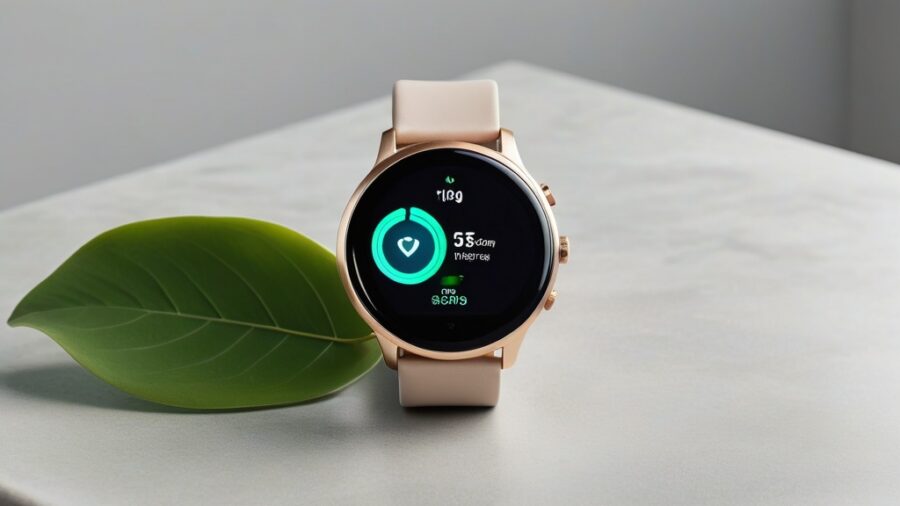
Smartwatches combine the features of fitness trackers with the functionalities of a smartphone. Devices like the Apple Watch or Samsung Galaxy Watch not only track health metrics but also offer notifications, GPS tracking, and apps that enhance daily productivity. The versatility of smartwatches makes them suitable for various users, from fitness enthusiasts to busy professionals.
Moreover, many smartwatches have begun to include health-specific features, such as ECG (electrocardiogram) applications and fall detection, which can significantly enhance user safety. As technology continues to advance, the capabilities of smartwatches in health monitoring will likely expand even further.
How Wearable Technology Enhances Patient Engagement
Real-Time Feedback
Wearable technology fosters a higher level of patient engagement through real-time feedback. Patients can monitor their health metrics continuously, encouraging them to take an active role in their healthcare journey. This immediate access to data helps users recognize patterns, set achievable health goals, and celebrate small victories along the way.
For instance, a patient using a wearable device to track their heart rate may notice fluctuations during certain activities, prompting them to adjust their exercise regimen. This feedback loop not only motivates users to stay on track but also cultivates a sense of responsibility for their health.
Gamification of Health
Many wearable devices incorporate gamification elements, making health monitoring more engaging and enjoyable. Features such as challenges, rewards, and social sharing capabilities encourage users to compete with friends or family, fostering a supportive community focused on health improvement.
Research has shown that gamification can lead to increased adherence to health-related tasks. A study published in the Journal of Medical Internet Research indicated that users who engaged in gamified health programs were 25% more likely to stick to their fitness goals than those who did not participate in such initiatives.
Data Security and Privacy Concerns in Wearable Health Tech
Understanding Risks
As wearable technology becomes increasingly integrated into health monitoring, concerns regarding data security and privacy have emerged. Wearable devices collect sensitive health information, making them attractive targets for cyberattacks. Personal health data, if compromised, can lead to identity theft and unauthorized access to medical services.
According to a report by the Federal Trade Commission, nearly 25% of healthcare organizations have experienced a data breach, highlighting the importance of implementing robust security measures in wearable technology.
Best Practices for Data Protection
To mitigate the risks associated with wearable health devices, users must adopt best practices for data protection. This includes using strong, unique passwords, enabling two-factor authentication, and regularly updating device software. Furthermore, users should familiarize themselves with the privacy policies of the devices they use, ensuring they understand how their data is collected, stored, and shared.
Manufacturers also play a crucial role in protecting user data. Implementing end-to-end encryption and adhering to regulations such as the Health Insurance Portability and Accountability Act (HIPAA) can help safeguard sensitive information and build trust with consumers.
Future Trends in Wearable Health Monitoring Technology
Integration with Artificial Intelligence
The future of wearable health monitoring technology is likely to be heavily influenced by advancements in artificial intelligence (AI). AI can analyze vast amounts of health data, providing personalized insights and recommendations to users. For example, AI algorithms can identify trends in a user’s health data, predicting potential health issues before they arise.
Moreover, AI-driven wearables can adapt to users’ behaviors, offering tailored advice and reminders based on individual patterns. This level of personalization can significantly enhance user experience and health outcomes.
Telehealth and Wearable Devices
The integration of wearable technology with telehealth services is another trend poised to reshape healthcare. Telehealth platforms can leverage data from wearable devices to facilitate remote consultations and ongoing patient monitoring. This synergy allows healthcare professionals to provide more accurate diagnoses and treatment plans based on real-time data.
According to a report by McKinsey & Company, telehealth usage has surged by over 150% since the onset of the COVID-19 pandemic, indicating a growing acceptance of remote healthcare solutions. As wearables become more sophisticated, their role in telehealth will only expand, making healthcare more accessible and efficient.
Conclusion
In conclusion, wearable technology for health monitoring has the potential to transform healthcare by enhancing patient engagement, improving health awareness, and facilitating chronic disease management. With a variety of devices available, individuals can choose solutions that best fit their lifestyles and health goals.
As we look to the future, the integration of AI and telehealth services will further enhance the capabilities of wearable technology, making healthcare more personalized and accessible. However, it is essential to remain vigilant about data security and privacy concerns to ensure that the benefits of these technologies are realized without compromising user trust.
FAQ about Wearable Technology and Health Monitoring
What are the most common types of wearable health devices?
The most common types of wearable health devices include fitness trackers, smartwatches, and specialized medical devices such as glucose monitors and heart rate monitors. Each of these devices serves different purposes, catering to a wide range of users.
How do wearable devices help in chronic disease management?
Wearable devices assist in chronic disease management by continuously monitoring vital health metrics and alerting users to any concerning changes. This real-time data can empower patients to make informed decisions regarding their health and share critical information with healthcare providers.
Are there privacy concerns with wearable health technology?
Yes, there are significant privacy concerns associated with wearable health technology. These devices collect sensitive health information that, if compromised, could lead to identity theft or unauthorized access to medical services. Users must ensure they use secure passwords and understand the privacy policies of their devices.
What role does AI play in wearable health monitoring?
Artificial intelligence enhances wearable health monitoring by analyzing large datasets to provide personalized insights and predictions regarding health trends. AI can also adapt to user behaviors, offering tailored advice and reminders to help individuals manage their health effectively.
How does wearable technology improve patient engagement?
Wearable technology improves patient engagement by providing real-time feedback on health metrics, encouraging active participation in health management. Additionally, gamification elements in many devices foster a sense of community and motivation among users, driving them to achieve their health goals.
Recap of Key Points
- Wearable technology enhances health monitoring through real-time data.
- Benefits include improved health awareness and chronic disease management.
- Common types of devices include fitness trackers and smartwatches.
- Patient engagement is driven by real-time feedback and gamification.
- Data security and privacy are critical concerns in wearable health tech.
- Future trends include AI integration and telehealth expansion.
- Users should adopt best practices for protecting their health data.