
Anúncios
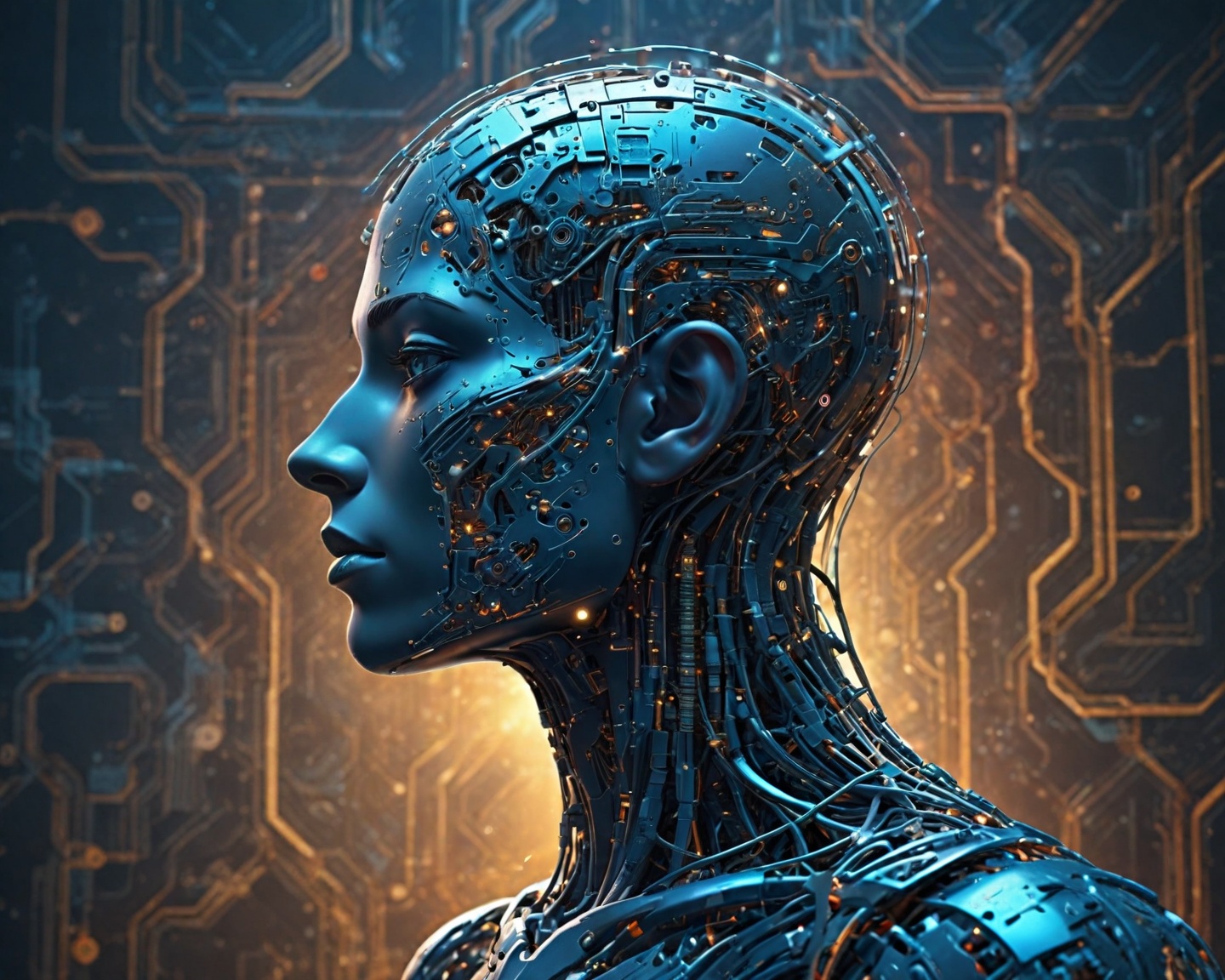
Transhumanism, a term that might evoke a sense of science fiction, is an increasingly relevant area that stands at the intersection of technology and human evolution. As technology advances at an unprecedented pace, the possibility of merging humans with technology has ignited both enthusiasm and skepticism across different segments of society. Proponents of transhumanism argue that it holds the promise of transforming human capabilities beyond current biological constraints, while opponents raise ethical concerns about the implications of such profound changes.
To navigate the complex landscape of transhumanism, it is essential to understand not only its foundational ideas but also the technological advancements that drive it. This exploration delves into the roots, developments, and key technologies of transhumanism, along with a thoughtful consideration of its societal implications. From artificial intelligence to ethical debates, this article offers an in-depth look at the various facets of transhumanism, revealing how this concept could potentially redefine what it means to be human.
Anúncios
What is Transhumanism?
Transhumanism is a philosophical and scientific movement that advocates for the enhancement of the human condition through advanced technologies. At its core, transhumanism envisions the use of technology to augment human physical and cognitive abilities, thereby overcoming the traditional limitations imposed by biological evolution. This movement is premised on the belief that humans can and should transcend their current form to achieve greater longevity, intelligence, and well-being.
The principles of transhumanism are rooted in a techno-optimistic view of the future, where technology serves as a bridge to a posthuman era—an age where humans have evolved beyond their current physical and mental limitations. Transhumanists often advocate for bioengineering, artificial intelligence, and other emerging technologies as tools to achieve these transformations. This vision encompasses a future where aging and disease could be diminished, and human capabilities significantly enhanced.
Despite its futuristic outlook, transhumanism is not without its critics. Ethical concerns revolve around issues such as individual identity, equity, and the potential for unintended consequences. Additionally, philosophical debates question the desirability of merging profoundly with technology, pondering whether the pursuit of enhancement might erode essential aspects of what it means to be human.
The History and Evolution of Transhumanism
The roots of transhumanism can be traced back to the early 20th century, with thinkers like J.B.S. Haldane and Julian Huxley laying the groundwork for the movement. Huxley is credited with coining the term “transhumanism” in 1957, envisioning a future where humans use technology to improve themselves beyond what is naturally possible. His ideas drew upon earlier thoughts about human enhancement, melding science and philosophy into what would become a coherent movement.
The late 20th century saw transhumanism evolve from theoretical speculation to a more organized movement. In the 1980s and 1990s, figures like Max More and Natasha Vita-More developed a broader framework for transhumanism, promoting it as an interdisciplinary approach that incorporates ethics, technology, and societal impacts. During this time, academic and public interest began to grow, coinciding with advancements in genetics, computing, and biotechnology.
As we entered the 21st century, the convergence of various technologies further accelerated the evolution of transhumanism. The rapid development of artificial intelligence, nanotechnology, and the genomics revolution provided tangible outlets for transhumanist ideas to materialize. Today, the movement is not only a subject of academic discourse but is also gaining traction in popular culture and public policy discussions, as humanity grapples with the implications of a tech-enhanced future.
Key Technologies Driving Transhumanism
Several key technologies are pivotal to the advancement of transhumanism, each contributing to the movement’s goals in unique ways. One of the primary drivers is artificial intelligence (AI), which not only augments cognitive processes but also plays a crucial role in developments like robotics and machine learning, providing platforms for human enhancement and augmentation.
Another significant technology is biotechnology, which includes genetic engineering and CRISPR technology, allowing for precise modifications to the human genome. These advancements have the potential to eliminate genetic diseases, improve physical and mental capacities, and even extend human lifespan. Similarly, nanotechnology offers profound possibilities for medical interventions at a cellular level, enabling precise drug delivery systems and regenerative medicine.
Furthermore, brain-computer interfaces (BCIs) represent another exciting frontier within transhumanism. By directly linking human brains with computers, BCIs could enhance neural functions, restore lost capabilities or even enable new sensory experiences. Collectively, these technologies serve as the backbone of transhumanist endeavors, each holding the promise to reshape human existence fundamentally.
Examples of Human Enhancement Technologies
Human enhancement technologies manifest in various forms, reflecting the diverse goals of transhumanism. Genetic modification, for instance, has made significant strides with CRISPR-Cas9 technology, enabling scientists to edit DNA sequences with unprecedented precision. This technique holds the promise of eradicating hereditary diseases, opening the door to the potential customization of traits such as intelligence and physical ability.
Neurotechnology is another area where significant advancements have been achieved. Brain-implanted devices or brain-computer interfaces can assist people with disabilities, restore sensory functions for blind individuals, or even enhance memory and cognitive abilities. Elon Musk’s venture, Neuralink, is one example of efforts being made to integrate human brains with AI to amplify cognitive abilities.
Wearable technology and implantable devices are also becoming commonplace for enhancing physical performance. Exoskeletons, for example, aid in mobility for individuals with physical disabilities, while fitness trackers and smartwatches monitor health metrics and provide data-driven insights into personal health and fitness regimes. These technologies exemplify how contemporary tools can augment human capabilities, contributing to the broader vision of transhumanism.
The Role of Artificial Intelligence in Transhumanism
Artificial intelligence plays a multi-faceted role in the transhumanist landscape, acting as both a catalyst and a manifestation of future human enhancements. In healthcare, AI algorithms analyze vast amounts of data to predict and diagnose diseases more accurately and swiftly than human doctors. AI-driven robotics also extends the possibilities of prosthetics, creating limbs that can be controlled with mere thoughts through brain-computer interfaces.
Additionally, AI serves as an augmentation tool for human intelligence. Natural language processing and AI-based learning systems provide individuals with enhanced cognitive tools, allowing for better decision-making and problem-solving skills. AI, in the form of voice assistants like Siri or Alexa, directly interacts with users, further blending technological assistance with daily human activities.
Moreover, the integration of AI into everyday life is not only a glimpse into potential enhancements but also serves as a prototype for future transhumanistic advancements. AI has rapidly become a part of the fabric of society, exemplifying how future technologies might seamlessly integrate into human life, making them both a subject of transhumanist intrigue and a stepping stone toward more advanced enhancements.
Ethical Considerations and Debates Around Transhumanism
The ethical landscape of transhumanism is as diverse as the technologies it encompasses. One significant debate centers on the notion of human identity and what it means to be human in the face of profound technological enhancements. Critics argue that altering the human condition could diminish inherent human qualities, such as empathy, compassion, or even individuality, leading to philosophical considerations about whether humanity should pursue such transformations.
Equity and accessibility are also important ethical considerations. The risk of an increasingly divided society, where enhanced individuals could outpace those without access to such technologies, raises questions about fairness and social justice. There’s an ongoing debate over ensuring that advancements benefit the broader population rather than becoming the privilege of a wealthy elite.
The potential for misuse of transhumanist technologies is another ethical concern. The prospect of enhancing human capabilities might tempt individuals or groups to use these advancements for coercive or harmful purposes. From surveillance to hyper-intelligent AI, the regulation and governance of transhumanist technologies are crucial to ensure their responsible development and deployment.
Potential Benefits of Merging Humans with Technology
The merger of humans and technology, as envisioned by transhumanism, presents several potential benefits that could redefine human existence. One major advantage is the potential to eradicate or mitigate diseases that currently remain untreatable. Through gene editing and biotechnology, inherited conditions or terminal illnesses might be significantly reduced, improving overall human health and well-being.
Enhanced human capabilities also promise improved quality of life, by breaking the limitations of biology. Augmentation technologies can empower individuals with disabilities, offering new opportunities for independence and improved interaction with their environment. Transhumanistic advancements may also lead to increased cognitive abilities, which can further enhance creativity, innovation, and productivity across various fields.
Moreover, the integration of technology into human life can lead to longer, healthier lifespans. With advancements in medical science and regenerative technologies, age-related decline might be delayed, thus enabling individuals to extend their contributions to society and enjoy longer periods of active engagement in life. These benefits reflect the optimistic side of transhumanism, underscoring its potential to elevate the human experience.
Risks and Challenges of Transhumanism
Despite the optimistic outlook of transhumanism, it is not without its risks and challenges, primarily centered around ethical, social, and technical issues. The possibility of unintended consequences from manipulation of human genomes or AI-enhanced processes is a genuine concern. Unpredictable outcomes could lead to new types of diseases or psychological changes, posing significant challenges for humanity.
The societal implications of transhumanist technologies also present risks, such as exacerbating existing inequalities. Access to enhancement technologies could become inequitable, leading to a wider gap between those who can afford to enhance themselves and those who cannot. This disparity may result in societal stratification, fostering potential conflict and division.
On a technical level, the integration of complex technologies with human biology poses significant engineering challenges. Ensuring the safety, efficacy, and reliability of enhancement technologies is paramount. Moreover, data privacy and security concerns, particularly around neurotechnology and AI, must be addressed to ensure the protection of individual rights and personal information. These challenges highlight the need for careful consideration and regulated advancement within the realm of transhumanism.
Public Perception and Cultural Impact of Transhumanism
Public perception of transhumanism is mixed, with attitudes varying significantly based on cultural, religious, and philosophical beliefs. Some view it as an exciting frontier for human development, offering solutions to long-standing challenges such as disease and disability. For these proponents, transhumanism represents human ingenuity’s triumph over natural limitations, paving the way for a more enlightened and capable society.
Conversely, there is a significant level of skepticism and fear, rooted in the potential existential threats posed by altering the human condition. Concerns about loss of identity, ethical ramifications, and unintended consequences fuel public caution. Science fiction narratives, often depicting dystopian futures influenced by transhumanist technologies, contribute to these fears, shaping perceptions that may not reflect reality.
Culturally, transhumanism presents a challenge to traditional narratives about the human experience, questioning long-held beliefs about life, death, and identity. As the movement gains momentum, it necessitates a reevaluation of cultural and moral frameworks. Movies, literature, and art increasingly explore themes of enhancement and artificial intelligence, indicating transhumanism’s growing cultural relevance and impact on contemporary thought.
How to Stay Informed About Advancements in Transhumanism
Keeping updated with the rapidly evolving field of transhumanism requires engaging with various resources that offer insights and analyses. Here are some effective ways to stay informed:
-
Subscribe to Science and Technology Journals: Engaging with reputable scientific journals and technology magazines like Nature, MIT Technology Review, and Wired can provide detailed insights into the latest research and technological advancements relevant to transhumanism.
-
Participate in Conferences and Webinars: Events such as the TransVision Conference or Singularity University events provide platforms to learn directly from leading thinkers and technologists involved in transhumanist projects.
-
Follow Blogs and Podcasts: Blogs and podcasts dedicated to transhumanism and emerging technologies, such as “Future Thinkers” or “The Transhumanist Wager,” offer accessible discussions on the movement’s various aspects.
-
Engage with Online Communities: Platforms like Reddit or dedicated forums on transhumanism provide spaces for vibrant discussions and sharing of the latest news and personal perspectives on the subject.
By utilizing these resources, individuals can remain knowledgeable about the latest developments and debates within the transhumanist community and contribute meaningfully to discussions about our technological future.
FAQ
What is the main goal of transhumanism?
The primary objective of transhumanism is to enhance the human condition using advanced technologies. This involves improving cognitive abilities, physical health, and emotional well-being while overcoming natural biological limitations. The ultimate aim is to transition towards a posthuman era, where enhanced individuals experience greater longevity, intelligence, and freedom from disease.
How does artificial intelligence contribute to transhumanism?
Artificial intelligence contributes to transhumanism by offering tools and platforms that enhance human cognitive and physical capabilities. AI is used in medical diagnostics, robotics, and brain-computer interfaces to create tools that assist or augment human functions. It also serves as a model for future enhancements, demonstrating how machines can complement human intelligence and functionality.
Are there ethical risks associated with transhumanism?
Yes, transhumanism poses several ethical risks, including concerns about identity alteration, equity, and potential misuse of technology. There’s a risk of creating disparities between enhanced and non-enhanced individuals, exacerbating social inequalities. Ethical debates also focus on the potential implications of fundamentally altering what it means to be human.
What technologies are typically involved in transhumanist research?
Technologies central to transhumanist research include genetic engineering, artificial intelligence, nanotechnology, and brain-computer interfaces. These technologies enable enhanced physical, cognitive, and emotional human capabilities, each contributing uniquely to the transhumanist goals of human enhancement and longevity.
Can transhumanism help with age-related issues?
Transhumanism holds the potential to address age-related issues by leveraging biotechnology and regenerative medicine to extend life and improve quality of living. Gene-editing technologies, for instance, could potentially delay age-related decline, allowing individuals to maintain vitality well into their senior years. These advancements aim for prolonged healthspan alongside lifespan.
Is transhumanism widely accepted in public discourse?
Transhumanism’s acceptance varies significantly depending on cultural, ethical, and philosophical contexts. While some embrace the potential technological advancements, others hold concerns about the ethical and existential risks associated with such profound changes. Public discourse is often marked by a mix of optimism and caution, influenced by media portrayals and societal values.
Recap
In summary, transhumanism is a movement seeking to leverage advanced technologies to transcend the innate biological limitations of humanity, promising enhanced capabilities and a potential transition to a posthuman future. The history of transhumanism reflects its evolution from early philosophical ideas to a structured movement influenced by contemporary scientific advancements. Key technologies driving this vision include artificial intelligence, biotechnology, and brain-computer interfaces. While the potential benefits of merging humans with technology are significant, risks and ethical challenges likewise demand careful consideration. Public perception of transhumanism is varied, with interest in the topic continuing to grow as technological frontiers expand.
Conclusion
The field of transhumanism is a testament to humanity’s unending drive for improvement and reinvention. As both a philosophical idea and a practical pursuit, it challenges our understanding of human potential, urging us to reconsider traditional boundaries of biology and identity. Technology has become an integral part of human life, and with continued advancements, the possibilities for enhancement are vast and varied.
However, the pursuit of a transhumanist future necessitates careful deliberation of ethical implications and societal impacts. As we stand on the brink of potential transformations, collective dialogue and inclusive policies are essential to navigate the road ahead. Ensuring equitable access and addressing ethical concerns will be critical to harnessing the full potential of transhumanist technologies.
Ultimately, the impact of transhumanism rests on how society chooses to implement and integrate these advancements. By embracing both the opportunities and responsibilities that come with technological power, humanity can forge a future that enriches life while respecting the diverse tapestry of human experience. The path ahead is one of exploration, innovation, and thoughtful engagement with the very essence of what it means to be human.