
Anúncios
Introduction to Terraforming and Its Significance
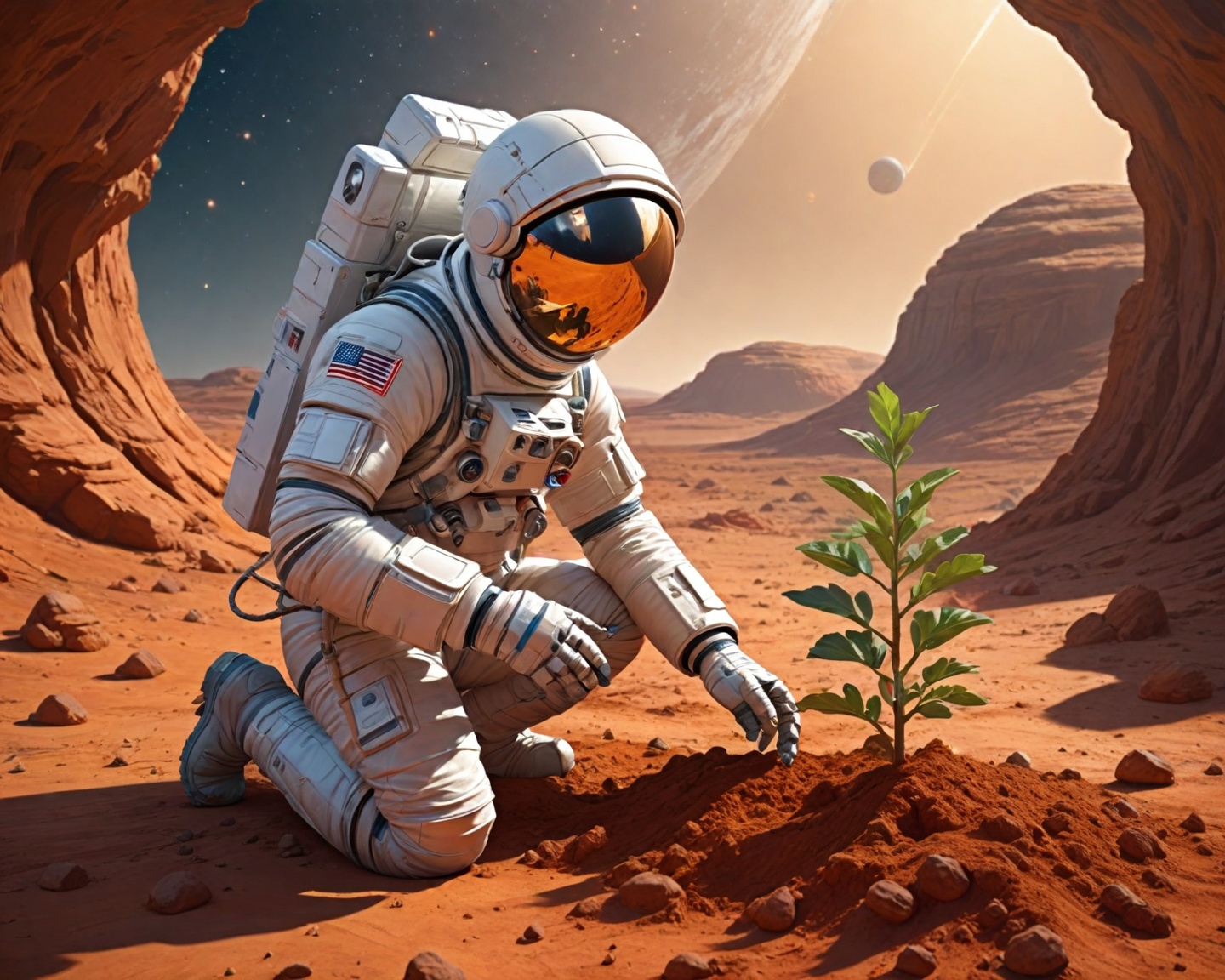
Terraforming, the process of modifying a planet’s environment to make it habitable for terrestrial life, represents one of the grandest dreams in human exploration endeavors. It evokes the imaginations of scientists, science fiction writers, and dreamers who envision making barren planets like Mars into thriving ecosystems. This concept is centered on using technology and innovative scientific methods to adjust atmospheric conditions, temperature, surface topography, and ecological systems of planets or moons, making them suitable for human habitation. Given the challenges we face on Earth, such ambitions are increasingly pertinent as potential future solutions to overcrowding, resource depletion, and existential threats.
The significance of terraforming extends beyond the thrill of scientific achievement. It encompasses the survival and continuation of humanity. Should catastrophic events threaten life on Earth, having a secondary home for humanity is a strategic advantage. Beyond survival, terraforming prospects touch on deep ethical, economic, and philosophical questions about our rights to alter other worlds and our preparedness to manage whole planetary systems. The pursuit of terraforming could drive innovations here on Earth, developing technologies that benefit global climate systems, energy production, and sustainability efforts.
Anúncios
Why Mars is a Prime Candidate for Terraforming
Mars stands out as a prime candidate for terraforming due to several key factors. Firstly, its proximity to Earth makes it relatively more accessible for exploration and potential colonization. Mars is the fourth planet from the Sun, placing it within the “habitable zone” where conditions might allow for the presence of liquid water under the right circumstances. Its day length, known as a sol, is about 24.5 hours, surprisingly similar to Earth’s day, facilitating potential human adaptation to its cycles.
Moreover, Mars has a thin atmosphere composed primarily of carbon dioxide, which provides a base upon which scientists believe atmospheric transformation might be achieved. With evidence suggesting the presence of water ice at its polar caps and beneath its surface, Mars presents opportunities to leverage existing resources in terraforming efforts. Mars’ gravity, approximately 38% that of Earth’s, is sufficient to retain an atmosphere, unlike smaller celestial bodies like the Moon, which lack the necessary gravity.
Finally, our extensive reconnaissance of Mars by rovers, landers, and orbiters has provided invaluable data about its geological and atmospheric conditions, increasing our understanding and making it the most studied body in our solar system, aside from Earth. The wealth of knowledge amassed from these missions forms the bedrock upon which practical terraforming strategies can be developed.
Key Challenges in Making Mars Habitable
Despite its potential, terraforming Mars is fraught with significant challenges rooted in its current environmental and atmospheric conditions. One of the primary concerns is its thin atmosphere, with a surface pressure of only 0.6% of Earth’s at sea level. This lack of pressure not only prevents stable liquid water from existing on the surface but also leaves the planet vulnerable to solar radiation and cosmic rays, posing severe risks to human health and technological equipment.
Another major challenge is temperature regulation. The average surface temperature on Mars is around -80 degrees Fahrenheit (-62 degrees Celsius), with extremes reaching far colder at night. Creating a stable, warm environment that can support life is essential, yet intrinsically difficult given Mars’ distance from the Sun and its current atmospheric composition that offers minimal greenhouse warming.
Additionally, Martian soil presents its own set of obstacles. Known as regolith, it is high in perchlorates, which are toxic to humans. Any long-term habitation would require either decontaminating the soil or developing technologies to shield or detoxify it. Additionally, the lack of a magnetic field on Mars means that even a newly created atmosphere would be subject to erosion by solar winds unless further protective measures are developed. All these factors illustrate the multifaceted nature of the challenges holding back the terraforming of Mars.
Current Scientific Advancements in Terraforming Mars
Recent scientific advancements have started to outline the possible paths forward in the quest to terraform Mars. Several international space agencies and private enterprises are actively pursuing technology that could one day lead to a habitable Martian environment. One innovative approach involves the use of space-based solar reflectors. These devices could focus sunlight onto ice-rich areas of Mars, causing the release of greenhouse gases and water vapor, two critical components necessary for warming the planet and possibly thickening the atmosphere.
In the biological realm, experiments with extremophiles, microorganisms capable of surviving harsh conditions, are being conducted. The knowledge gained from these studies could indicate the feasibility of introducing bioengineered organisms capable of surviving Martian conditions, thereby playing a role in atmospheric and soil conditioning.
Organizations like NASA and SpaceX are developing advanced propulsion systems for sending more mass to Mars, driving down costs and enabling larger scale missions that could establish permanent settlements. These pioneering missions are vital for gathering further data, testing new terraforming technologies, and fostering international cooperation in Mars exploration.
Potential Methods for Creating a Breathable Atmosphere on Mars
To transform Mars’ atmosphere to support human life, scientists are considering several potential methods. Each approach presents unique technical and logistical challenges requiring significant innovation and investment.
-
Use of Greenhouse Gases: One prevalent idea is to artificially introduce greenhouse gases, including carbon dioxide, water vapor, and perhaps others like methane or ammonia, to thicken the Martian atmosphere and induce a warming effect. This process mimics Earth’s own greenhouse effect but would require monumental quantities of these gases to effect meaningful change.
-
Utilization of In-situ Resources: Another plan involves utilizing carbon dioxide already present in Martian polar ice caps and soil. Advanced technologies could potentially heat these regions to release trapped gases, incrementally increasing the atmospheric pressure and temperature.
-
Biological Solutions: The introduction of genetically engineered plants or cyanobacteria to replicate photosynthesis may serve as a natural alternative to produce oxygen. Though this method would require vast areas, it could incrementally improve atmospheric quality over centuries.
The interaction and combination of these methods into a cohesive terraforming strategy is crucial. Balancing innovations, such as space-based reflectors and biological interventions, could accelerate the establishment of a breathable atmosphere.
Role of Greenhouse Gases in Warming Mars
Greenhouse gases are fundamental to any strategy designed to warm and terraform Mars. Beyond merely thickening the atmosphere, these gases can help trap the Sun’s heat, raising the average surface temperature to levels conducive for liquid water and potentially supporting human life.
By focusing on gases like carbon dioxide, scientists aim to create conditions that mirror Earth’s greenhouse effect. Mars already has a high concentration of carbon dioxide, but its thin atmosphere limits its effectiveness in sustaining warmth. The challenge lies in significantly increasing atmospheric density and greenhouse gas concentration quickly enough to prevent escape into space or other loss mechanisms.
Large-scale release of these gases might be possible via volcanic eruptions triggered by nuclear detonations, though this carries significant ethical and logistical concerns. Alternatively, innovations in deploying automated factories to produce and release hydrocarbons directly into the Martian atmosphere are being theorized as future possibilities. These gases could enhance warming initially, providing impetus for other terraforming techniques to take root and stabilize conditions further.
Ethical Considerations of Terraforming Other Planets
The idea of terraforming Mars, or any other planet, is deeply entangled with complex ethical considerations. The primary ethical question revolves around humanity’s right to alter extraterrestrial environments. Proponents argue that with growing threats to Earth’s habitability, expanding to Mars may become necessary for the survival and continuation of our species. This perspective views terraforming as a proactive approach to existential risk.
Conversely, opponents of terraforming caution against the arrogance of altering untouched ecosystems which may harbor undiscovered life forms or contain unknown intrinsic values. Such actions could disrupt unknown biological or geological processes on Mars, leading to unforeseen consequences similar to ecological mishaps caused by invasive species on Earth.
Beyond environmental ethics, there are considerations about who has the authority and jurisdiction to decide on terraforming endeavors. This raises debates about space colonization and governance, ensuring equitable access, sharing of knowledge, resources, and any new opportunities arising from these planetary modifications.
Cost and Timeline Estimates for Terraforming Mars
Terraforming Mars, given current technological and economic frameworks, represents one of humanity’s most ambitious and expensive projects. Estimates for the financial requirements vary widely, but many suggest that initial phases could stretch into the hundreds of billions or even trillions of dollars. These high costs stem from the need for pioneering technology, extensive international partnerships, and long-term commitment to undertaking such a colossal venture.
The timeline is equally daunting, with estimates suggesting it might take several centuries to achieve desired habitability conditions, even with continuous technological advancement and investment. Important milestones might include the establishment of permanent bases, initial attempts at atmospheric alteration, and development of sustainable life-support systems.
A collaborative international effort involving governmental space agencies, private enterprise, and scientific communities worldwide would be necessary to distribute costs and share the resultant innovations and utilizations of new technologies. Developing a detailed timeline with clearly defined milestones can help maintain progress toward the long-term goal of making Mars habitable.
Lessons from Earth’s Climate for Planetary Engineering
Understanding Earth’s climate and deploying the wealth of knowledge gained from climate science is crucial for successful planetary engineering on Mars. From Earth’s climate history, scientists have learned about the complexities of atmosphere-ocean interactions, the roles various greenhouse gases play, and the importance of maintaining ecological balance.
One valuable lesson is the responsiveness of Earth’s climate system to natural and anthropogenic changes. Learning from past climate shifts, such as the industrial-age warming trends and ice age cycles, provides crucial models and warnings for the potential outcomes and side-effects of altering Mars’ atmosphere and climate.
Climate interventions on Earth, such as reforestation and carbon capture, offer insights into the scale and type of activities that might be adapted or expanded for Martian terraforming. Applying these lessons can assist scientists in predicting responses and fine-tuning interventions, ensuring that any endeavor into planetary engineering is backed by robust scientific reasoning and risk mitigation strategies.
Future Prospects and Next Steps in Mars Colonization
Despite significant challenges, the prospects for terraforming Mars remain hopeful due to continued advancements in science and technology. Recent years have seen increased interest and investment from both private companies and space agencies in establishing sustainable human presence on Mars. This involves step-by-step construction of a logistical and technological infrastructure that is adaptable to new challenges and opportunities.
Immediate next steps include continuing robotic exploration to better understand Mars’ resources and conditions. Specifically, understanding its water reserves, soil composition, and atmospheric potential are imperative for planning future colonization efforts. Robotics plays a crucial role here, enabling safe and extensive exploration remotely from Earth.
Additionally, launching demonstration projects to test technologies for atmospheric alteration, soil conditioning, and life-support systems will serve as practical stepping stones toward more ambitious goals. This proactive experimentation will refine our strategies and improve our understanding of the many variables involved in such an immense undertaking.
| Phase | Key Activities | Timeline Estimate |
|---|---|---|
| Initial Exploration | Robotic analysis, resource mapping | 2020s-2030s |
| Infrastructure Development | Establish bases, test technologies | 2030s-2040s |
| Terraforming Initiatives | Atmospheric thickening projects | 2050s-2150s |
FAQ Section
What is terraforming?
Terraforming is the hypothetical process of modifying a planet, moon, or other body to make it habitable for Earth-like life. This involves altering the atmosphere, temperature, surface topography, or ecology to produce a stable environment that can support human life.
Why choose Mars for terraforming over other planets?
Mars is considered a prime candidate for terraforming due to its relatively moderate climate, presence of water ice, and its day/night cycle similar to Earth’s. Its proximity also makes it logistically feasible to explore and potentially colonize.
How long would it take to terraform Mars?
Based on current scientific understanding, full-scale terraforming of Mars could take several centuries. The speed of this process is dependent on technological advancements, funding, international cooperation, and overcoming environmental challenges unique to Mars.
Are there ethical concerns with terraforming Mars?
Yes, there are significant ethical concerns. These include the moral implications of altering an untouched natural world, potential harm to undiscovered Martian life, and ownership and governance issues about the utilization of extraterrestrial environments.
What technologies are needed for terraforming Mars?
Key technologies include greenhouse gas production or release mechanisms, methods for heating and thickening the Martian atmosphere, soil detoxification processes, and sustainable life-support systems for human habitats.
Is it financially viable to terraform Mars?
Given the tremendous scope and long-term nature of the project, terraforming Mars would require an unprecedented investment of resources and cooperation. While financially daunting, it could be dispersed over decades and involve both private and public funding mechanisms.
What can we learn from Earth’s climate when considering Mars terraforming?
Earth’s climate history, such as the effects of greenhouse gases and feedback loops, provides essential lessons for managing complex climate systems. Understanding these interactions will aid in designing effective terraforming strategies for Mars.
Recap
Terraforming Mars is a complex but enticing venture that seeks to transform the Red Planet into an environment conducive to human life. With its proximity and potential resources, Mars is seen as the most viable candidate for such pioneering efforts. However, significant challenges, such as its thin atmosphere, cold temperatures, and toxic soils, necessitate innovative solutions. Current scientific advancements are gradually paving the way for potential terraforming methods, including greenhouse gas introduction and biological interventions. Ethical, economic, and logistical issues must be addressed collectively to advance these ambitions responsibly. Drawing lessons from Earth’s climate history, humanity can develop sound strategies for future Mars colonization.
Conclusion
As our technological prowess grows, the dream of terraforming Mars becomes increasingly plausible. While the timeline is extensive and the challenges significant, the ambition to transform a distant world to support human life could define this century as the dawn of interplanetary existence. The effort to terraform Mars requires meticulous planning, significant international cooperation, and unwavering commitment to ecological stewardship, ensuring that we balance our actions with careful consideration of the ethical implications.
Investing in Mars is not only an investment in a new world but also an investment in humanity’s future on Earth. The discoveries and technologies developed in pursuit of terraforming Mars have the potential to inform sustainable practices at home, addressing climate issues and resource scarcity. Over time, as space exploration continues to evolve, the steps required to terraform Mars will reflect an expanding frontier of human achievement, testing our resolve and ingenuity in creation and exploration.
Ultimately, terraforming Mars represents a unique convergence of vision, science, and existential necessity. It pushes the boundaries of what is possible while challenging us to act as balanced custodians of any world we inhabit. As we proceed cautiously towards the cosmos, these deliberations must be guided by a commitment to knowledge, ethics, and the shared destiny of humanity.