
Anúncios
In today’s fast-paced world, many individuals are seeking ways to simplify their lives and find greater satisfaction in less. Minimalism practical lifestyle tips offer a path toward achieving a more meaningful existence by focusing on what truly matters. Embracing minimalism is not merely about decluttering physical spaces; it encompasses a holistic approach to living that can enhance various aspects of life, from mental clarity to financial well-being.
This comprehensive guide will delve into the essence of minimalism and its numerous benefits. We will explore what minimalism truly means beyond the surface-level idea of getting rid of excess belongings. Additionally, we will provide actionable tips for adopting a minimalist lifestyle, creating a minimalistic home environment, simplifying daily routines, and managing finances more effectively. By the end of this article, you will be equipped with the knowledge to embark on your minimalist journey.
Anúncios
Minimalism has gained immense popularity in recent years, with numerous books, documentaries, and blogs dedicated to the topic. However, the core principles remain timeless. The journey toward minimalism is deeply personal and varies from one individual to another. Whether you’re looking to reduce stress, manage your finances more wisely, or simply enjoy a more organized and fulfilling life, this article will serve as your guide. Prepare to discover practical tips that can transform your life.
Introduction to Minimalism and Its Benefits
Understanding Minimalism
Minimalism is often perceived as a lifestyle choice focusing on eliminating physical clutter from our homes. However, it is a more profound philosophy that encourages individuals to evaluate their values and priorities. At its core, minimalism challenges the notion that happiness is tied to material possessions. Instead, it promotes a life filled with intention, purpose, and meaningful experiences.
The benefits of minimalism are far-reaching. By adopting this lifestyle, individuals often experience reduced stress levels, improved mental clarity, and enhanced focus on personal goals. In a world where distractions abound, minimalism acts as a counterbalance, allowing individuals to hone in on what genuinely matters. Numerous studies have indicated that decluttering one’s environment can lead to increased productivity and creativity, making minimalism not only beneficial for mental well-being but also for professional success.
The Psychological Impact of Minimalism
Minimalism has a significant psychological impact on individuals. By removing unnecessary distractions, people can foster a sense of calm and clarity. This can lead to improved decision-making and a heightened ability to concentrate on tasks that matter. Many minimalists report feeling a sense of liberation from societal pressures and expectations, allowing them to pursue their passions without the weight of materialism.
Moreover, the act of letting go of possessions can be cathartic. It encourages individuals to reflect on their attachment to items and the reasons behind those attachments. This self-reflection can lead to personal growth and a greater understanding of one’s values and desires.
Practical Tips for Adopting a Minimalist Lifestyle
Start Small: The 30-Day Minimalism Challenge
One of the most effective ways to kickstart your minimalist journey is through the 30-Day Minimalism Challenge. This challenge encourages participants to eliminate one item on the first day, two items on the second day, and so forth, culminating in 30 items on the final day. This gradual approach allows individuals to ease into the process of decluttering without feeling overwhelmed.
For example, on day one, you might remove a single pair of shoes you no longer wear. By day fifteen, you could tackle a drawer full of miscellaneous items. This challenge not only helps in decluttering but also fosters a mindset of assessing the value of possessions regularly.
Evaluate Your Belongings: The Marie Kondo Method
Another practical tip for adopting minimalism is to apply the Marie Kondo method. This technique revolves around the concept of keeping only those items that “spark joy.” Begin by gathering all your belongings from a specific category, such as clothing or books. Hold each item and ask yourself if it brings you happiness. If not, it’s time to let it go.
This method encourages individuals to be mindful of their possessions and the emotional weight attached to them. By focusing on joy rather than obligation, it becomes easier to part with items that no longer serve a purpose in your life.
| Challenge Day | Items to Declutter |
|---|---|
| 1 | 1 item |
| 2 | 2 items |
| 3 | 3 items |
| 4 | 4 items |
| 30 | 30 items |
Creating a Minimalist Home Environment
Design Principles for Minimalist Spaces
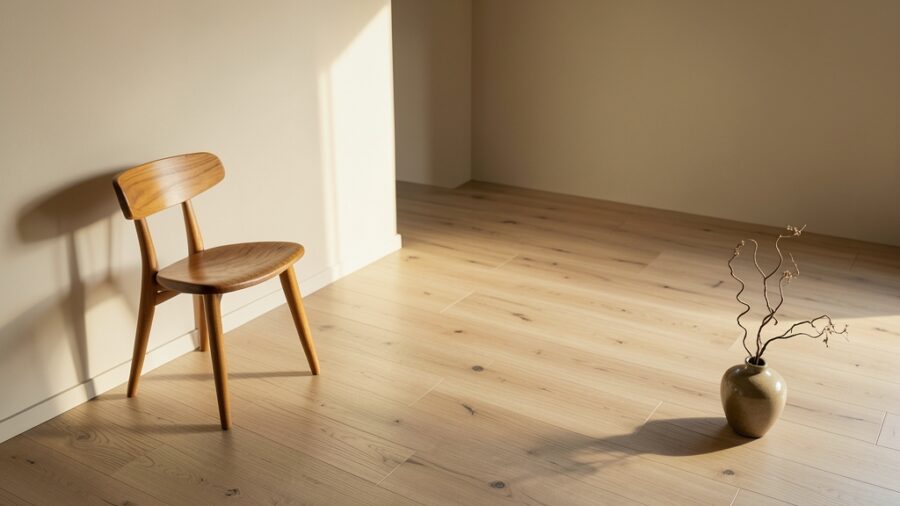
Creating a minimalist home environment requires more than just reducing clutter; it involves embracing design principles that promote simplicity and functionality. Neutral color palettes, clean lines, and multifunctional furniture are key elements of minimalist design. Aim for a space that feels open and airy, allowing for easy movement and reducing visual distractions.
Incorporate natural light by using sheer curtains or leaving windows unobstructed. This not only enhances the ambiance but also improves mental well-being by connecting you with the outdoors. Additionally, consider using a few carefully chosen decorative items that resonate with you personally rather than filling your space with numerous trinkets.
Organizing with Intention
Organization is crucial in a minimalist home. Every item should have a designated place, making it easier to maintain the clutter-free environment. Use bins, baskets, and labels to keep similar items together. For example, dedicate a specific drawer for kitchen utensils and another for office supplies.
This intentional organization helps streamline your daily routines, making it easier to locate items without the frustration of searching through piles of belongings. Emphasizing functionality while maintaining aesthetic appeal creates a harmonious living space.
Minimalism in Daily Routines: Simplifying Life
Streamlining Morning Routines
Morning routines set the tone for the day, and adopting minimalism can significantly simplify this process. Start by creating a streamlined routine that focuses on the essentials. Determine which activities are most important to you and eliminate any unnecessary steps.
For instance, prepare your breakfast the night before or choose a simple, healthy option that requires minimal preparation. Lay out your clothes the evening prior, reducing decision fatigue in the morning. By simplifying your morning routine, you create a more peaceful start to your day.
Mindful Time Management
Minimalism also extends to how we manage our time. Take a critical look at your daily schedule and identify activities that drain your energy without providing value. Prioritize tasks that align with your goals and eliminate or delegate those that do not.
Consider using a planner to track your commitments and ensure you are dedicating time to what truly matters. By being more intentional with your time, you cultivate a lifestyle that aligns with your minimalist philosophy.
| Activity | Importance |
|---|---|
| Morning Exercise | High |
| Social Media | Low |
| Meal Preparation | Medium |
| Household Chores | High |
Financial Minimalism: Managing Your Finances Simply
Creating a Minimalist Budget
Financial minimalism is an essential aspect of adopting a minimalist lifestyle. Start by creating a minimalist budget that aligns with your values and goals. Track your income and expenses to identify areas where you can cut back on unnecessary spending.
Consider using budgeting apps that allow you to categorize expenses easily. This helps you visualize where your money is going and identify non-essential purchases. By focusing on spending that aligns with your values, you can create a more fulfilling financial life.
The Importance of Saving
Incorporating financial minimalism also means prioritizing saving. Aim to establish an emergency fund that can cover three to six months of living expenses. This financial cushion provides peace of mind and reduces anxiety about unexpected expenses.
Additionally, consider investing in experiences rather than material possessions. Research shows that spending on experiences often leads to greater happiness than spending on things. Whether it’s traveling, attending workshops, or spending quality time with loved ones, these experiences contribute to a richer life.
Mental Clarity Through Minimalism: Reducing Stress
The Connection Between Clutter and Stress
Research indicates a strong connection between clutter and increased stress levels. A cluttered environment can overwhelm the senses and hinder concentration. By adopting a minimalist lifestyle, individuals often report feeling less anxious and more in control of their surroundings.
Creating a calm and organized environment can lead to improved mental clarity. When your space is free of distractions, you can focus on important tasks and make better decisions. This newfound clarity can also foster creativity and enhance problem-solving skills.
Mindfulness and Minimalism
Incorporating mindfulness practices into your minimalist lifestyle can further enhance mental clarity. Mindfulness involves being present in the moment and cultivating awareness of your thoughts and feelings. This practice encourages individuals to let go of distractions and focus on what truly matters.
Consider incorporating daily mindfulness exercises, such as meditation or deep breathing, into your routine. These practices promote relaxation and reduce stress, complementing the benefits of a minimalist lifestyle.
Conclusion: Embracing Minimalism for a Fulfilling Life
Embracing minimalism is a transformative journey that can lead to a more fulfilling and purposeful life. By adopting minimalism practical lifestyle tips, individuals can experience reduced stress, improved mental clarity, and a deeper connection to what truly matters. From decluttering physical spaces to simplifying daily routines and managing finances, minimalism offers a comprehensive approach to living intentionally.
As you embark on your minimalist journey, remember that it is a personal process. Take the time to reflect on your values and priorities, and make adjustments that resonate with you. Minimalism is not about deprivation; it is about making space for what enriches your life.
FAQ about Minimalism
What is minimalism?
Minimalism is a lifestyle philosophy that encourages individuals to simplify their lives by focusing on what truly matters. It involves decluttering physical spaces, reducing distractions, and making intentional choices that align with personal values.
How do I start living a minimalist lifestyle?
Begin by evaluating your belongings and identifying items that no longer serve a purpose in your life. You can start with the 30-Day Minimalism Challenge to gradually declutter. Additionally, focus on simplifying your daily routines and managing your finances intentionally.
Can minimalism improve mental health?
Many individuals report experiencing improved mental clarity and reduced stress when adopting a minimalist lifestyle. By creating a clutter-free environment and prioritizing meaningful experiences, minimalism can contribute to overall well-being.
Is minimalism just about decluttering?
No, minimalism goes beyond decluttering. It involves a holistic approach to life that emphasizes intentional living, simplifying routines, and aligning with personal values. It encourages individuals to focus on experiences rather than material possessions.
Can minimalism help with financial management?
Yes, financial minimalism involves creating a budget that aligns with your values and priorities. By focusing on essential expenses and saving for experiences rather than things, individuals can achieve greater financial well-being and peace of mind.
Recap of Key Minimalism Tips
- Start with the 30-Day Minimalism Challenge to gradually declutter.
- Use the Marie Kondo method to evaluate belongings based on joy.
- Create a minimalist home with neutral colors and multifunctional furniture.
- Streamline your morning routine to reduce stress and decision fatigue.
- Implement a minimalist budget to prioritize essential spending.
- Incorporate mindfulness practices to enhance mental clarity.
- Focus on experiences over material possessions for greater fulfillment.
- Reflect on your values and make intentional choices that resonate with you.
This content is informative and does not substitute for medical or psychological evaluation or treatment.