
Anúncios
Introduction to Marine Conservation Volunteer Opportunities
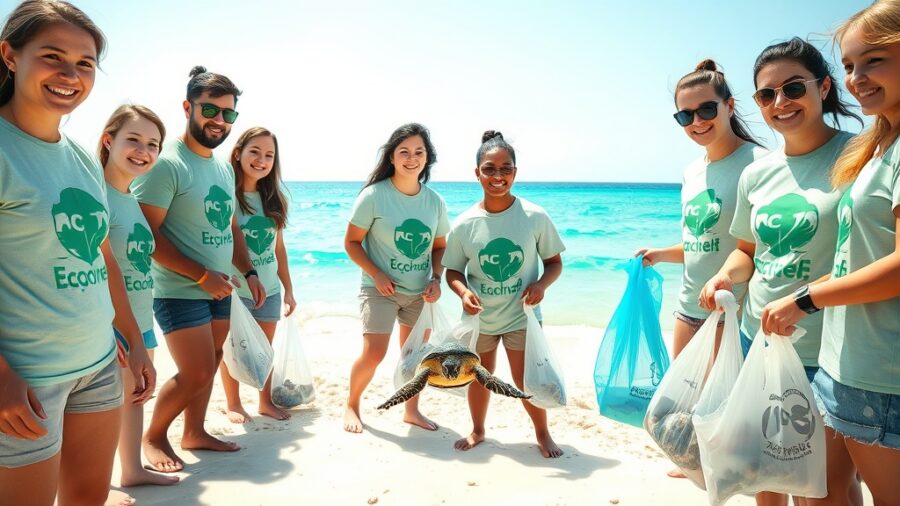
In recent years, marine conservation volunteer opportunities have gained significant traction among individuals looking to make a positive impact on the environment. As our oceans face unprecedented threats from climate change, pollution, and habitat destruction, the need for dedicated volunteers has never been more pressing. This article aims to explore the various facets of marine conservation volunteer programs, providing insights into how individuals can contribute to preserving our oceans.
Volunteering in marine conservation not only benefits the environment but also offers unique experiences that can be life-changing. Participants have the chance to work alongside marine biologists, learn about marine ecosystems, and develop skills that are valuable for future careers. Throughout this article, we will delve into different types of marine conservation projects, the benefits of volunteering, and how to choose the right program for you.
Anúncios
Furthermore, we will examine essential skills and qualifications needed for prospective volunteers and discuss the challenges they may face in the field. By the end of this article, you will have a comprehensive understanding of marine conservation volunteer opportunities and how they can make a tangible difference in the health of our oceans.
Types of Marine Conservation Volunteer Projects
Marine conservation volunteer projects vary widely, catering to different interests and skill sets. Understanding the types of projects available can help potential volunteers find a suitable match for their passions and goals. Below are some of the most common types of marine conservation volunteer projects.
1. Coral Reef Conservation
Coral reefs are vital ecosystems that support a diverse range of marine life. Sadly, they are threatened by factors such as climate change, ocean acidification, and pollution. Volunteer programs focusing on coral reef conservation typically involve activities such as:
- Coral restoration efforts, where volunteers assist in planting and nurturing coral fragments.
- Monitoring reef health through underwater surveys and data collection.
- Participating in educational programs to raise awareness about coral conservation in local communities.
Organizations like the Coral Triangle Initiative actively seek volunteers to support their efforts in preserving these natural wonders.
2. Marine Wildlife Research
Another popular area for marine conservation volunteering is wildlife research. Volunteers can engage in projects focused on marine animals, such as:
- Monitoring the populations of endangered species like sea turtles and dolphins.
- Conducting surveys to gather data on fish species and their habitats.
- Participating in rescue and rehabilitation efforts for injured marine animals.
Programs such as the Sea Turtle Conservation Program in Costa Rica offer volunteers the chance to work directly with these magnificent creatures, contributing to their survival and recovery.
Benefits of Volunteering in Marine Conservation
Engaging in marine conservation volunteering offers numerous benefits, not only to the environment but also to the volunteers themselves. Here are some of the key advantages of participating in these programs.
1. Making a Positive Impact
One of the most significant benefits of volunteering in marine conservation is the opportunity to make a tangible difference. Volunteers contribute to:
- Protecting endangered species and their habitats.
- Restoring damaged ecosystems, such as coral reefs and mangroves.
- Raising awareness about marine conservation issues in local communities.
Every small action can lead to significant results, helping to ensure the survival of marine ecosystems for future generations.
2. Gaining Valuable Experience
Volunteering in marine conservation allows individuals to gain hands-on experience in environmental science and related fields. Skills developed through these programs may include:
- Data collection and analysis
- Marine biology techniques
- Teamwork and leadership skills
Additionally, volunteers often network with professionals in the field, potentially opening doors for future career opportunities.
How to Choose the Right Marine Conservation Program
With numerous marine conservation volunteer opportunities available worldwide, selecting the right program can be a daunting task. Here are some factors to consider when making your choice.
1. Assess Your Interests and Goals
Before diving into a volunteer program, it is essential to reflect on your personal interests and goals. Consider the following questions:
- What specific marine conservation issues are you passionate about?
- Do you prefer hands-on fieldwork or research-oriented tasks?
- What skills do you hope to develop through your volunteer experience?
Identifying your interests will help narrow down the programs that align with your aspirations.
2. Research the Organization
It is crucial to thoroughly research the organization offering the marine conservation program. Look for factors such as:
- Reputation and reviews from past volunteers.
- Transparency about project goals and outcomes.
- Safety and support provided to volunteers during their stay.
Organizations with a proven track record, such as GVI or Oceanic Society, often provide more reliable and impactful volunteer opportunities.
Essential Skills and Qualifications for Volunteers
1. Basic Marine Biology Knowledge
A foundational understanding of marine biology can greatly enhance your ability to contribute effectively. Familiarity with key concepts such as:
- Marine ecosystems and their components
- Species identification
- Ecological relationships and conservation issues
Having this knowledge can help you better understand your role as a volunteer and the importance of the work being done.
2. Communication and Teamwork Skills
Marine conservation often requires collaboration with diverse groups of people, including fellow volunteers, researchers, and local communities. Therefore, strong communication and teamwork skills are vital. This includes:
- Effectively sharing ideas and information with others.
- Working harmoniously in a team setting.
- Adapting to various group dynamics and cultural contexts.
Being able to communicate well will not only improve your volunteer experience but also contribute to the success of the projects you are involved in.
Challenges Faced by Marine Conservation Volunteers
While volunteering in marine conservation is a rewarding experience, it is not without its challenges. Understanding these potential hurdles can better prepare volunteers for their journey.
1. Physical Demands
Marine conservation work can be physically demanding, requiring volunteers to engage in activities such as:
- Extended periods of time spent outdoors in varying weather conditions.
- Swimming or diving in potentially challenging environments.
- Carrying heavy equipment or supplies.
Volunteers should be prepared for the physicality of the work and ensure they are in good health before participating.
2. Emotional Challenges
Witnessing the degradation of marine ecosystems can be emotionally taxing for volunteers. Some may experience feelings of sadness or frustration due to the severity of environmental issues. To cope, it is essential to:
- Connect with fellow volunteers for support and camaraderie.
- Engage in self-care practices to maintain emotional well-being.
- Focus on the positive impact of your work and the progress being made.
Recognizing and addressing these emotional challenges is crucial for a fulfilling volunteer experience.
Impact of Marine Conservation Volunteering
The impact of marine conservation volunteering extends beyond the immediate benefits for the environment. Volunteers play a significant role in raising awareness and promoting sustainable practices within communities. Below are some of the broader impacts of these efforts.
1. Community Engagement and Education
Marine conservation volunteers often engage with local communities to promote awareness about marine issues. This can lead to:
- Increased community involvement in conservation efforts.
- Development of educational programs tailored to local needs.
- Empowerment of community members to take action towards sustainability.
By fostering a connection between volunteers and local populations, the long-term effectiveness of conservation initiatives can be enhanced.
2. Contributions to Research and Policy
The data collected by volunteers during their projects can significantly contribute to scientific research and policy-making. These contributions may include:
- Providing valuable insights into marine species and ecosystem health.
- Supporting local and national conservation policies through data-driven evidence.
- Encouraging further research initiatives based on volunteer findings.
Ultimately, the collective efforts of volunteers help shape the future of marine conservation on a global scale.
Conclusion
Marine conservation volunteer opportunities offer a unique way for individuals to make a meaningful impact on the environment while gaining valuable experience. From coral reef conservation to marine wildlife research, there are a variety of projects that cater to different interests and skill sets. By understanding the benefits, challenges, and requirements of volunteering, individuals can find programs that align with their passions and goals.
As the health of our oceans continues to decline, the role of volunteers becomes increasingly vital. By participating in marine conservation efforts, individuals not only contribute to preserving marine ecosystems but also inspire others to take action. Through collective efforts, we can all play a part in safeguarding our oceans for future generations.
Frequently Asked Questions
1. What qualifications do I need to volunteer in marine conservation?
Most marine conservation programs do not require formal qualifications, but having a basic understanding of marine biology and strong communication skills can be beneficial. Some programs may have specific requirements, so it’s essential to check with the organization before applying.
2. How long do marine conservation volunteer programs typically last?
Volunteer programs can vary in duration, typically ranging from a few weeks to several months. It’s important to choose a program that fits your schedule and commitment level.
3. Are marine conservation volunteer programs suitable for beginners?
Yes, many programs welcome beginners and provide training for volunteers. It’s a great way to learn while contributing to important conservation efforts.
4. Do I need to pay to participate in a marine conservation volunteer program?
Many volunteer programs require a fee to cover accommodation, meals, and project costs. However, some organizations may offer scholarships or grants to help offset these expenses.
5. Can I volunteer in marine conservation while traveling?
Absolutely! Many marine conservation programs are located in beautiful destinations around the world, allowing you to combine travel with meaningful work. This can be an excellent way to explore new cultures while making a positive impact.
Recap of Key Points
- Marine conservation volunteer opportunities are essential for preserving ocean health.
- Types of projects include coral reef conservation and marine wildlife research.
- Volunteering offers benefits such as making a positive impact and gaining valuable experience.
- Choosing the right program involves assessing interests and researching organizations.
- Essential skills include marine biology knowledge and communication abilities.
- Challenges may include physical demands and emotional impacts.
- Volunteers contribute to community engagement and scientific research.
- Participating in marine conservation can be a fulfilling and transformative experience.