
Anúncios
Humanoid Robots Workforce Integration: A New Era of Collaboration
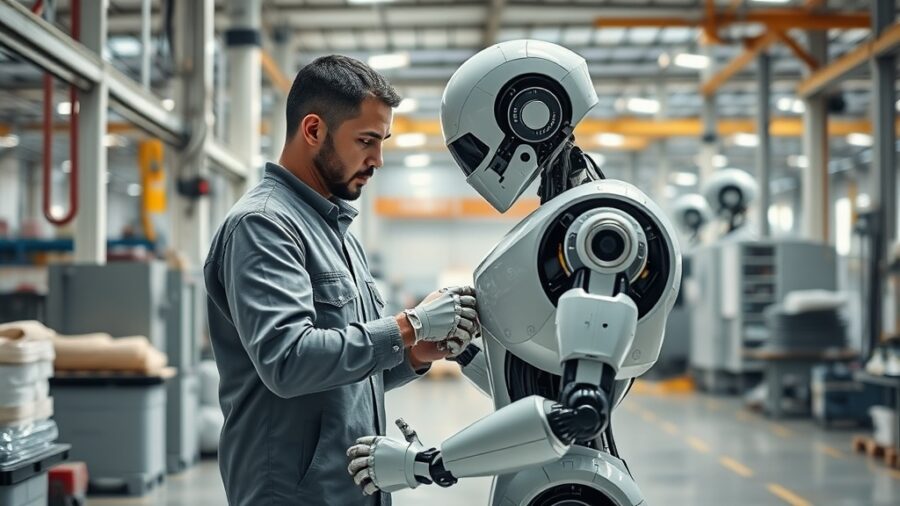
In recent years, the concept of humanoid robots workforce integration has gained significant traction across various industries. As businesses look for innovative ways to enhance productivity and efficiency, humanoid robots have emerged as viable solutions. These advanced machines, designed to mimic human actions and behaviors, are not just tools; they are becoming integral members of the workforce.
As we delve into this topic, we will explore the numerous benefits associated with integrating humanoid robots into the workforce, the challenges that organizations face during this transition, and real-world case studies that illustrate successful implementations. Additionally, we will discuss the future trends of humanoid robots in the workplace, setting the stage for understanding their potential in reshaping industries.
Anúncios
This comprehensive article aims to provide insights and practical knowledge about the integration of humanoid robots in various sectors, ensuring that readers are well-informed about the implications and opportunities this technology presents. By the end of this exploration, you will have a clear understanding of how humanoid robots can revolutionize workforce dynamics.
Benefits of Integrating Humanoid Robots
Enhanced Productivity
One of the primary advantages of integrating humanoid robots into the workforce is the potential for enhanced productivity. Unlike human workers, humanoid robots can operate continuously without fatigue. According to studies, organizations that have adopted humanoid robots report productivity increases of up to 30% in specific tasks. For instance, in manufacturing, robots can perform repetitive tasks with precision and speed, allowing human workers to focus on more complex responsibilities.
Improved Safety and Risk Mitigation
Humanoid robots can also play a crucial role in improving workplace safety. They can be deployed in hazardous environments, such as construction sites or chemical plants, where the risk to human workers is high. By taking on dangerous tasks, humanoid robots help minimize workplace accidents. The International Labor Organization reported that automation, including the use of humanoid robots, has the potential to reduce workplace injuries by 50%.
- Reduction of human error in high-risk environments.
- Minimized exposure of human workers to hazardous materials.
- Ability to perform tasks in extreme conditions (e.g., heat, radiation).
Challenges of Humanoid Robots Workforce Integration
Technical Limitations and Reliability
Despite the benefits, integrating humanoid robots into the workforce comes with its challenges. One significant hurdle is the technical limitations of current robotic technology. While humanoid robots have advanced significantly, they still struggle with tasks that require fine motor skills or complex decision-making. Issues such as software bugs or hardware malfunctions can lead to operational downtime, impacting productivity and reliability.
Cultural Resistance and Acceptance
Another challenge is cultural resistance within organizations. Employees may feel threatened by the introduction of humanoid robots, fearing job displacement or reduced job security. A survey conducted by PwC found that 37% of workers are concerned about losing their jobs to automation. To overcome this resistance, organizations must foster a culture of collaboration between human workers and robots, emphasizing that robots are designed to assist rather than replace human labor.
| Challenges | Impact on Workforce |
|---|---|
| Technical Limitations | Operational Downtime |
| Cultural Resistance | Employee Morale Issues |
Case Studies of Successful Integration
Case Study: SoftBank Robotics and Retail
SoftBank Robotics has made significant strides in integrating humanoid robots into the retail sector. Their robot, Pepper, is designed to interact with customers, providing information and assistance. In a pilot program at a major retail chain in Japan, Pepper increased customer engagement by 20%, leading to higher sales. This case highlights how humanoid robots can enhance customer experience and drive business growth.
Case Study: Boston Dynamics in Manufacturing
Boston Dynamics has also been at the forefront of humanoid robot integration in manufacturing. Their robot, Stretch, is designed for warehouse logistics, capable of lifting and moving heavy packages efficiently. A logistics company reported a 25% increase in operational efficiency after deploying Stretch in their warehouses, showcasing the potential of humanoid robots to optimize supply chain processes.
Future Trends in Humanoid Robots Workforce
Increased Collaboration with AI
The future of humanoid robots in the workforce is closely tied to advancements in artificial intelligence (AI). As AI technology continues to evolve, humanoid robots will become more adept at understanding and responding to complex human emotions and behaviors. This increased collaboration between AI and humanoid robots will enable them to take on more sophisticated roles within organizations, enhancing decision-making processes and improving overall efficiency.
Broader Adoption Across Industries
We can also expect broader adoption of humanoid robots across various industries beyond manufacturing and retail. Sectors such as healthcare, education, and hospitality are beginning to explore the integration of humanoid robots. For example, in healthcare, robots are being used to assist with patient care, medication delivery, and even surgical procedures. The global market for humanoid robots is projected to reach $15 billion by 2025, reflecting the growing interest in this technology.
Conclusion
The integration of humanoid robots into the workforce presents both opportunities and challenges. As we have explored, the benefits include enhanced productivity, improved safety, and the ability to perform tasks in hazardous environments. However, organizations must navigate technical limitations and cultural resistance to fully realize the potential of this technology.
As we look to the future, it is clear that collaboration between humanoid robots and human workers will become increasingly essential. By embracing this technology and fostering a culture of cooperation, businesses can position themselves for success in an evolving landscape. The path to successful humanoid robots workforce integration is not without its hurdles, but the rewards are significant and transformative.
FAQ about Humanoid Robots
What are humanoid robots?
Humanoid robots are machines designed to resemble and mimic human actions. They can perform tasks ranging from simple interactions to complex operations, making them valuable in various sectors such as manufacturing, healthcare, and retail.
How do humanoid robots improve workplace safety?
Humanoid robots can perform hazardous tasks in environments where human workers might be at risk. By taking on dangerous responsibilities, they help reduce workplace accidents and injuries, promoting a safer work environment.
What are the primary challenges of integrating humanoid robots?
The main challenges include technical limitations, such as software bugs and hardware reliability, as well as cultural resistance from employees who may fear job displacement. Addressing these issues is crucial for successful integration.
Can humanoid robots replace human workers?
While humanoid robots can assist with many tasks, they are designed to complement human workers rather than replace them. The focus is on collaboration, where robots handle repetitive or dangerous tasks, allowing humans to engage in more complex roles.
What is the future outlook for humanoid robots in the workforce?
The future of humanoid robots in the workforce looks promising, with advancements in AI and broader adoption across industries. As these technologies evolve, humanoid robots will likely take on more sophisticated roles, enhancing productivity and operational efficiency.
Recap of Key Points
- Humanoid robots enhance productivity and improve workplace safety.
- Technical limitations and cultural resistance are significant challenges to integration.
- Successful case studies, such as SoftBank Robotics and Boston Dynamics, illustrate effective implementation.
- The future includes increased collaboration with AI and broader adoption across various sectors.
- Humanoid robots are designed to assist human workers, complementing their roles rather than replacing them.
- The global market for humanoid robots is projected to reach $15 billion by 2025.