
Anúncios
Introduction to Digital Consciousness and its Implications
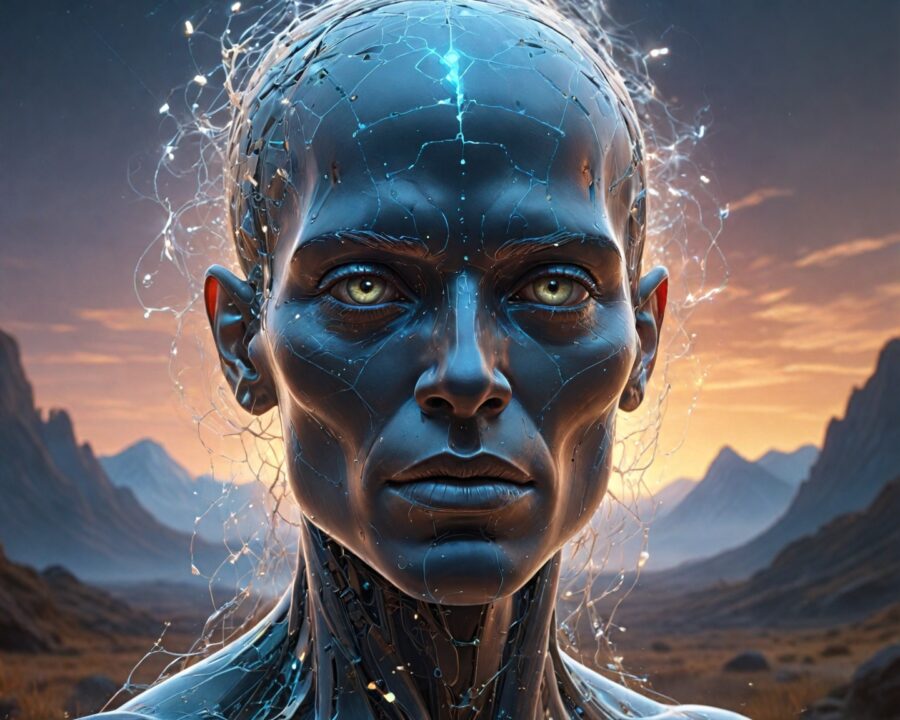
In our ever-evolving digital age, the concept of digital consciousness is beginning to reshape our understanding of life and death. As a term that has surged in relevance with technological advances, digital consciousness represents the potential for human consciousness to be transferred or reproduced in a digital format. This technological feat, currently more conceptual than practical, suggests that we could achieve a state beyond physical existence, where our thoughts, memories, and perhaps even identities might persist indefinitely in the digital realm.
This emerging concept holds significant implications, not just for individuals concerned with their legacy but also for societal and philosophical discussions about what it means to live and die. The idea that our consciousness could outlive our physical bodies raises profound questions: What happens to the soul? Can identity be preserved digitally? And most provocatively, does this mean we could overcome death? As tantalizing as these prospects are, the journey toward digital immortality is laden with challenges, ranging from technological intricacies to ethical dilemmas.
Anúncios
The Concept of Digital Immortality: What it Means
Digital immortality, at its core, refers to the potential perpetuation of human consciousness within a digital framework. It encompasses the ability to record, transfer, and maintain one’s consciousness long after physical death. This is not simply about storing data but capturing the essence of what it means to be human—thought processes, memories, emotions, and decision-making preferences.
Achieving digital immortality requires several advances in technology. While data storage capacity and processing power have grown exponentially, creating a detailed, dynamic map of a human mind poses enormous challenges. Various approaches are being explored, including artificial intelligence (AI) systems that learn to mimic individual thinking patterns, and brain-computer interfaces (BCIs) that directly tap into neural activity.
The implications of digital immortality extend far beyond personal legacies. If consciousness can be preserved digitally, the entire life-death continuum would be redefined. Social norms surrounding death, mourning, and even inheritance might shift dramatically, as digital avatars of deceased individuals could remain accessible, interacting with the living or even making decisions.
How Consciousness Transfer Technology Works
The technology required for consciousness transfer remains in its infancy, yet several promising avenues exist. The most explored methods involve advanced neuroimaging techniques and AI-driven learning models. Neuroscientists and engineers are working collaboratively to interpret the complex language of the brain, aiming to translate neural activity into a digital format.
-
Brain-Computer Interfaces (BCIs): BCIs facilitate direct communication between the brain and an external device. By interpreting brainwaves, BCIs can potentially transfer conscious thought into computers. Advances in machine learning are enhancing the accuracy and reliability of these translations, although full consciousness transfer remains a distant goal.
-
Whole Brain Emulation (WBE): Also known as mind uploading, WBE encompasses scanning and mapping the human brain at such a detailed level that a computer can replicate its functions. This method demands unprecedented levels of resolution and data management, pushing the boundaries of both neuroscience and computing.
-
Artificial Intelligence Models: AI can be trained to mimic cognitive processes by analyzing large datasets derived from an individual’s digital footprint. While not a direct consciousness transfer, these AI constructs can behave similarly, sometimes indistinguishably, from the original person in digital communications.
| Technology | Description |
|---|---|
| BCIs | Interface directly with the brain to interpret neural activity. |
| WBE | Implies mapping the entire brain to replicate its functions in a computer. |
| AI Models | Utilize machine learning to replicate human thought processes. |
Despite these advances, significant technological barriers remain. The human brain’s complexity, with approximately 86 billion neurons and even more synapses, presents a monumental challenge in replicating its functionality accurately in a digital form.
Ethical Considerations Surrounding Digital Consciousness
The potential for digital consciousness raises a host of ethical questions that society must grapple with. One fundamental issue is consent: Can individuals truly consent to having their consciousness digitized when the technologies and implications are so poorly understood?
Another ethical consideration involves identity and authenticity. If a digital version of a person interacts with the world after their biological death, does this challenge the concept of personhood? Moreover, there are concerns about data security and privacy; digital consciousness must safeguard deeply personal information from misuse or hacking.
Questions of equality also arise. With current technological constraints and costs, access to digital immortality could become a privilege for the affluent, exacerbating social inequalities. Such disparities might lead to divisive social consequences, where only a portion of humanity can achieve a form of digital continuity.
Finally, the potential for digital consciousness presents dilemmas about mourning and closure in human relationships. If our loved ones can persist in a digital format, the traditional process of grieving a physical loss may become more complex, possibly hindering emotional healing.
Cultural Perspectives on Death and Digital Immortality
Cultural perceptions of death and immortality vary greatly across the globe, influencing the reception and implementation of digital consciousness technologies. In many Western cultures, death is often viewed as a definitive end, a transition leading to questions about the afterlife. Here, digital immortality might offer a comforting alternative, presenting an opportunity for new forms of existence after death.
Conversely, Eastern philosophies, such as Buddhism and Hinduism, emphasize cycles of rebirth and the impermanence of life. In these contexts, digital immortality might be seen as interfering with natural cycles, posing philosophical and spiritual dilemmas. Preservation of consciousness might contradict beliefs about spiritual progress and enlightenment, prompting debates about the desirability of such technologies.
Indigenous cultures, which often view life and death as deeply interconnected with nature and community, may see digital immortality as a disruption of traditional values. For many, the digital persistence of an individual may conflict with communal beliefs and rites associated with death and the afterlife.
As digital consciousness becomes feasible, it will need to be carefully navigated within these diverse cultural frameworks. Societal acceptance will likely vary, reflecting deeply ingrained values and beliefs about what it means to live and die.
Potential Benefits of Redefining Death Through Technology
Digital immortality could offer numerous benefits, transforming both individual experiences and societal structures. One significant advantage is the potential to preserve personal legacies. Individuals could leave behind reflections, thoughts, and even interactive versions of themselves that future generations can learn from and engage with.
Additionally, there could be profound implications for education and knowledge retention. Renowned thinkers and educators could continue to contribute to discourse and innovation beyond their physical lifetimes, potentially accelerating advancements in various fields.
For those who experience sudden or traumatic loss, digital consciousness might provide a sense of continuity, offering solace through maintained interaction or presence. This continuous bond might ease the grieving process, providing comfort and companionship.
Moreover, redefining death through technology might challenge cultural taboos and encourage more open discussions about mortality, aging, and the quality of life. As society becomes more engaged with these topics, there may be a greater emphasis on living a meaningful life, knowing that one’s consciousness could have enduring influence.
Challenges and Limitations of Digital Consciousness
Despite its alluring promise, digital consciousness faces numerous challenges and limitations. Technologically, one of the most pressing issues is accurately capturing and emulating the full spectrum of human consciousness. Current models and AI systems fall short of replicating the complexity and subtlety of human thought and emotion.
There are significant concerns about the stability and reliability of stored consciousness. Digital systems are prone to failure, and data corruption poses a real threat to the integrity of any transferred consciousness. Ensuring that these systems can safely store and maintain consciousness over long periods is a critical—and unresolved—issue.
Socially, the potential for digital immortality diminishes the experience of life’s natural phases. The possibility of an eternal digital existence might alter how individuals perceive purpose and fulfillment, potentially impacting mental health and societal dynamics.
Furthermore, significant legal and regulatory frameworks are yet to be developed. The rights of digital consciousness entities, inheritance laws, and digital rights management are all areas that need clarity before such technologies can be responsibly deployed.
Common Concerns About Digital Immortality and Their Answers
What about the risk of digital immortality infringing on privacy?
Privacy is a significant concern. Developers must ensure that digitized consciousness is protected by robust cybersecurity measures. Proper legislative frameworks can help prevent misuse.
Can digital consciousness be hacked or manipulated?
Like any digital entity, there’s a risk of hacking. Security protocols and constant monitoring will be crucial in minimizing these risks.
How can consent be managed effectively?
Consent must be informed and voluntary, with clear terms that allow individuals to make educated choices about digital consciousness participation and withdrawal.
Will it be accessible to everyone?
Equitable access depends heavily on policy and economic factors. Advocacy for equal access will be vital to ensure that digital immortality doesn’t widen societal gaps.
Will this mean the end of natural human reproduction?
No, digital immortality offers an alternative existence post-death, not a replacement for life itself. People may continue to live and reproduce naturally.
How will society deal with possible overpopulation in digital spaces?
Digital realms offer virtually limitless space, but managing resources and interactions within them presents challenges that need strategic planning and new governance models.
How can the grieving process be affected?
Having digital counterparts of deceased loved ones might ease some grief but could complicate emotional closures. Therapies and new cultural practices might evolve in response.
What is the future of consciousness rights?
The rights of digital consciousness entities are a topic of ongoing debate. Comprehensive legislation will need to define these rights, possibly drawing parallels to current digital and human rights.
Future Possibilities: How Digital Consciousness Could Evolve
The future of digital consciousness is one of boundless possibilities, driven by ongoing advancements in technology and societal adaptation. As more comprehensive data about human cognition becomes available, we may see technology that can more accurately simulate human experiences, merging AI capabilities with genuine human-like consciousness.
Emerging technologies like quantum computing could drastically enhance processing power, making real-time consciousness transfer more feasible. Additionally, advancements in neuroscience could shed light on previously misunderstood aspects of the brain, translating into more sophisticated digital emulation techniques.
Socially and culturally, the normalization of digital consciousness could lead to the integration of digital entities into everyday life, participating in communities, workplaces, and even governments. This integration could demand entirely new ethical and legal frameworks, redefining human interaction and societal structures.
As we continue to explore these possibilities, transparency and inclusivity will be key in ensuring that every step taken reflects a broad spectrum of human experiences and values, securing digital consciousness as a tool for collective advancement.
Practical Steps for Engaging with This Emerging Field
Engaging with the emerging field of digital consciousness requires a multifaceted approach involving education, ethical engagement, and active participation in discourse and policy shaping.
-
Educate Yourself: Stay informed about technological advances and ethical debates surrounding digital consciousness. Understanding the science, potential, and limitations will prepare you for informed participation.
-
Engage in Discussions: Join forums, panels, and conferences to exchange ideas and contribute to collective understanding. Community engagement can lead to innovative solutions and diverse perspectives.
-
Advocate for Regulation: Support initiatives that push for the development of strong ethical and legal frameworks. Active advocacy can help shape policies that ensure equitable access and responsible use.
-
Consider Personal Choices: Reflect on your own values and beliefs regarding digital immortality. Discuss these with family and peers to foster open conversations about future possibilities.
-
Participate in Research: Enroll in studies or contribute to research projects that aim to advance understanding of digital consciousness and its implications.
-
Support Diversity: Encourage diverse voices and perspectives in the development of digital consciousness technologies, ensuring that solutions reflect global cultures and values.
By taking these steps, individuals and societies can better navigate the complexities of digital consciousness, contributing to a future that respects both technological potential and human dignity.
FAQ: Frequently Asked Questions
What are the main benefits of digital immortality?
Digital immortality offers personal legacy preservation, continued social and familial interaction, and the potential for deceased experts to contribute to ongoing advancements in various fields.
How does digital consciousness impact legal systems?
It necessitates the creation of new legal frameworks regarding rights, inheritance, data protection, and the status of digital entities, potentially reshaping existing laws.
Are there religious objections to digital consciousness?
Yes, many religious doctrines view life and death through distinct spiritual lenses, which may conflict with the principles of digital consciousness.
How does digital immortality differ from conventional immortality?
While conventional immortality refers to the indefinite extension of biological life, digital immortality centers on preserving consciousness in non-biological, digital forms.
Can digital consciousness have emotions?
The capability for digital consciousness to experience emotions depends on advances in AI’s ability to simulate complex emotional responses authentically.
Does digital consciousness improve memory retention?
In theory, digital consciousness could enhance memory retention by storing vast amounts of information with clarity, unlike the limitations of biological memory.
What scientific hurdles exist for consciousness transfer?
Challenges include replicating the brain’s complexity, ensuring data integrity over time, and developing reliable interfaces for consciousness transfer.
Is digital consciousness inevitable?
While technological advancement may make some form of digital consciousness possible, whether it becomes a widespread reality depends on social, ethical, and economic factors.
Recap
This article explored the concept of digital immortality and its potential to redefine our understanding of death. It discussed technological methods for consciousness transfer, ethical implications, cultural perspectives, and potential benefits. Challenges such as technological limitations and privacy concerns were addressed, alongside common queries regarding digital immortality. Future possibilities in this field were highlighted, and practical steps to engage with these advances were suggested.
Conclusion
Digital consciousness is more than a technological ambition; it represents a fundamental rethinking of life, death, and existence. As this intriguing frontier continues to unfold, we find ourselves not just at a crossroads of technological capabilities but also at a pivotal moment in human understanding and society.
While the promise of digital immortality captivates the imagination, the journey toward realizing this concept requires meticulous navigation of ethical considerations, societal impacts, and cultural values. For such a transition to be meaningful and beneficial, it calls for collective engagement in thoughtful dialogue and policy shaping.
Looking ahead, it’s crucial that as we explore the digital horizons, we do so with a conscious commitment to inclusivity, responsibility, and respect for the diversity of humanity. Only by integrating these principles can digital consciousness enhance our lives in ways that are both transformative and truly humane.