
Anúncios
3D-printed organs are revolutionizing the field of modern medicine, offering previously unimaginable possibilities in medical treatments and personalized care. The advent of bioprinting technology has enabled scientists and medical professionals to produce living tissues and organs using three-dimensional printing techniques. This breakthrough has the potential to not only alleviate the chronic shortage of organ donors but also to reshape the future of regenerative medicine. In this comprehensive exploration of 3D-printed organs, we will delve into the mechanics of how these organs work, examine the current state of 3D printing in medicine, and discuss the key benefits and challenges of this transformative technology.
As we embark on this journey, we will also explore how 3D-printed organs could address the pressing issue of organ donor shortages, the ethical considerations involved, and the role that bioprinting can play in personalized medicine. Furthermore, we will provide real-world examples of successful 3D-printed organ transplants, look at future advancements expected in the field, and offer guidance on how to stay informed about ongoing developments. Through this article, we aim to shed light on the potential and promise that 3D-printed organs hold for the future of healthcare.
Anúncios
What are 3D-printed organs and how do they work?
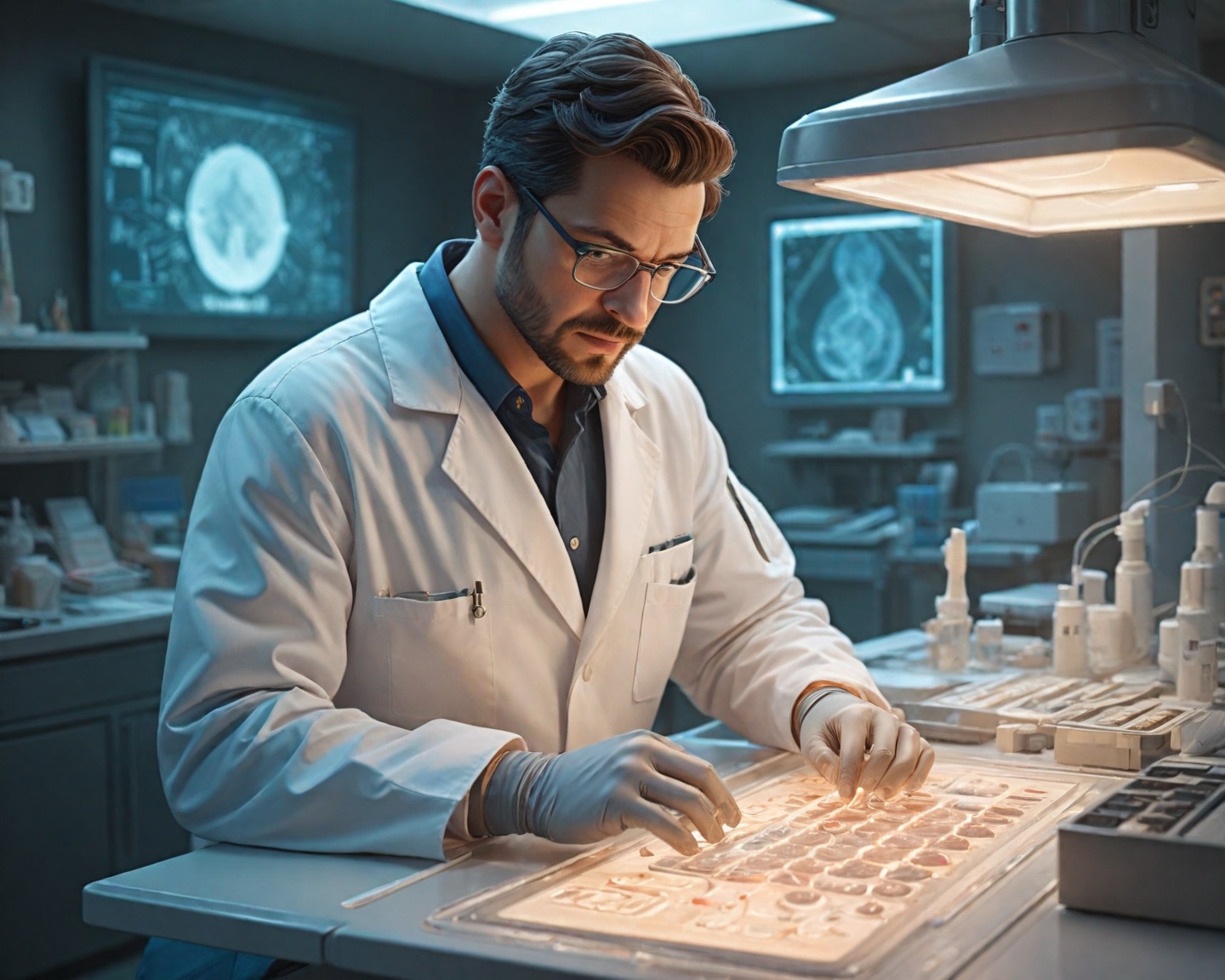
3D-printed organs, also known as bioprinted organs, are artificial organs created using a process called bioprinting. Bioprinting involves the precise layering of cells and biomaterials to create structures that mimic the natural architecture of a human organ. The process begins with developing a digital model of the organ, usually created through imaging techniques such as MRI or CT scans. This model serves as a blueprint that guides the printer in the fabrication process.
Bioprinters employ specialized bioinks composed of living cells and biocompatible scaffolding materials. These bioinks are carefully deposited layer by layer in a controlled environment to form the desired tissue or organ structure. The resulting 3D-printed organ must undergo a maturation process, where the cells are cultured in a bioreactor to promote cell growth, differentiation, and the formation of blood vessels.
Once matured, these printed organs can potentially be implanted into patients, offering a new lease on life for those suffering from organ failure. This groundbreaking technology has the potential to generate organs such as kidneys, livers, and hearts, which are in constant demand due to the global shortage of organ donors.
The current state of 3D printing in medicine
The field of 3D printing in medicine has seen tremendous advancements in recent years, with various applications already implemented in clinical settings. This technology has found utility in creating customized prosthetics, dental implants, and even tissue scaffolds for regenerative medicine. Beyond these applications, the ability to fabricate complex tissues and organs is perhaps the most promising aspect of 3D printing technology in medicine.
Several pioneering institutions and research centers around the world are at the forefront of developing 3D-printed organs. For instance, researchers are working on printing functional liver and kidney tissues that can perform specific functions, providing a crucial stopgap solution for patients waiting for a full organ transplant. Furthermore, advancements in stem cell technology have enhanced the capability to create biocompatible organs, reducing the risk of rejection by the patient’s immune system.
Despite these advancements, 3D printing in medicine is still in its early stages. Regulatory hurdles, technical challenges, and ethical considerations continue to pose significant roadblocks. Nonetheless, the ongoing research and increasing collaboration between medical professionals and bioengineers hold promise for overcoming these challenges and delivering viable medical solutions.
Key benefits of 3D-printed organs for patients
3D-printed organs offer numerous benefits for patients, particularly in addressing the limitations and challenges associated with traditional organ transplants. One of the most significant advantages is the potential to drastically reduce waiting times. Patients often spend years on organ transplant waiting lists, during which time their conditions can deteriorate. By generating organs on-demand, bioprinting could provide timely treatment and improve patient outcomes.
Moreover, 3D-printed organs can be customized to closely match the recipient’s biological profile, minimizing the risk of organ rejection. Traditional transplants always carry the risk of immune system rejection, requiring patients to undergo lifelong immunosuppressive therapies. By using the patient’s own cells to create the organ, bioprinting may eliminate the need for these medications and their associated side effects.
Another key benefit of 3D-printed organs is the ability to create complex tissue structures for research and drug testing. Laboratories can use these tissues to study diseases and test new treatments, reducing the need for animal testing and speeding up the discovery of life-saving therapies. As the technology evolves, the potential applications and benefits for patients will undoubtedly expand.
Challenges and limitations of bioprinting technology
Despite its groundbreaking potential, bioprinting technology faces several challenges and limitations. The complexity of replicating the intricate microarchitecture of human organs is a significant technical hurdle. Each organ consists of numerous cell types and highly organized structures that work in concert to perform vital functions. Reproducing this complexity in a laboratory setting remains a formidable challenge.
Additionally, the technology for creating viable and functional organs is not yet fully mature. While progress has been made in printing simple tissues and organs, such as skin and cartilage, more complex organs like hearts and livers pose greater difficulties. Researchers must overcome issues related to cell viability, vascularization, and long-term functionality of the printed organs.
Cost is another critical factor that affects the widespread adoption of bioprinting. The development and maintenance of bioprinters, along with the need for specialized bioinks and cultivation environments, result in substantial expenses. Reducing these costs is essential for making bioprinting technology accessible to healthcare providers and patients around the world.
How 3D-printed organs could solve the organ donor shortage
The shortage of available organs for transplantation is a pressing concern, with thousands of patients on waiting lists around the world. Bioprinting has the potential to greatly alleviate this shortage by providing an alternative solution. With the capability to generate organs on-demand, bioprinting could significantly reduce the time patients spend waiting for a suitable donor organ.
Moreover, bioprinting offers the possibility of personalizing organs to match the recipient’s biological markers, addressing issues of compatibility and rejection. This compatibility could increase the success rates of transplants and improve long-term health outcomes for recipients. In comparison to conventional transplants, which may require multiple surgeries due to organ rejection or failure, 3D-printed organs could offer more stable and enduring solutions.
As research progresses, bioprinting technology could potentially enable us to create various types of organs, from kidneys and lungs to hearts. This capability would help eliminate discrepancies in organ availability, offering new hope to patients suffering from chronic diseases or organ failure.
Ethical considerations surrounding 3D-printed organs
The development of 3D-printed organs raises several ethical considerations that must be carefully navigated. One of the primary concerns is the potential commercialization of bioprinting technology. As the technology advances, there may be debates over accessibility and affordability, with fears that only wealthy individuals or countries could afford customized organs. Ensuring equitable access to bioprinted organs will be crucial in addressing these concerns.
Another ethical issue relates to the source of the cells used in bioprinting. While using a patient’s own cells is an ideal solution, not all tissues are easily cultivated or harvested. This challenge may lead to a reliance on stem cells, which raises questions regarding the sourcing and ethical treatment of these materials.
The implications for medical research and clinical trials using 3D-printed organs are another area of ethical concern. It is essential to establish clear guidelines and regulations to ensure that this research is conducted responsibly and with the patient’s best interests in mind.
The role of bioprinting in personalized medicine
Bioprinting holds significant promise for the development of personalized medicine, which tailors treatments and interventions to individual patients’ unique genetic and biological profiles. By harnessing bioprinting technology, doctors can produce organs and tissues that are specifically designed to match the patient’s biological makeup, minimizing the risk of rejection and ensuring optimal functionality.
Personalized medicine through bioprinting also extends to drug testing and development. Researchers can create patient-specific tissue models that allow for more accurate testing of pharmaceuticals and treatments. This approach enables the identification of the most effective therapies, reduces adverse side effects, and streamlines the drug development process.
As bioprinting technology continues to evolve, its integration into personalized medicine strategies could lead to more precise and effective healthcare solutions. By focusing on the individual needs and characteristics of each patient, bioprinting has the potential to revolutionize medical treatments and improve patient outcomes.
Real-world examples of successful 3D-printed organ transplants
Despite the relative novelty of bioprinting technology, there have been notable successes in the field, providing a glimpse into the future of organ transplantation. One pioneering example is the case of a 3D-printed trachea that was successfully transplanted into a newborn with a rare airway condition. This groundbreaking procedure demonstrated the potential of bioprinting to create life-saving solutions for patients in critical conditions.
Another significant success story involved the creation of a 3D-printed ear for a patient with microtia, a congenital deformity affecting the ear. This bioprinted ear was constructed using the patient’s own cartilage cells and served as a functional and aesthetically pleasing replacement, improving the patient’s quality of life.
These examples highlight the transformative potential of 3D-printed organs and tissues. While full organ transplants using bioprinted materials are still in development, these initial successes demonstrate the feasibility and potential of bioprinting technology to address complex medical needs.
Future advancements expected in 3D organ printing
The future of 3D organ printing holds tremendous promise, with ongoing research and development poised to address current challenges and unlock new possibilities. Advancements in biomaterial science, stem cell research, and bioengineering are expected to drive progress in creating more complex and functional organs.
One area of anticipated growth is the development of vascularized tissues and organs, which are crucial for ensuring the long-term viability and success of bioprinted implants. Researchers are exploring novel techniques for incorporating blood vessels and other vital structures into printed organs, improving their functionality and integration with the patient’s body.
Additionally, interdisciplinary collaboration between biologists, engineers, and clinicians is expected to accelerate the translation of bioprinting technology from research laboratories to clinical settings. This collaboration will be essential for overcoming technical and regulatory barriers, ultimately bringing 3D-printed organs to patients who need them most.
How to stay informed about developments in 3D-printed organs
Staying informed about the latest advancements in 3D-printed organs and bioprinting technology is essential for healthcare professionals, researchers, and patients alike. To keep abreast of developments in this rapidly evolving field, consider the following resources:
-
Scientific Journals: Publications such as “Nature Biotechnology,” “Biomaterials,” and “Tissue Engineering” regularly feature cutting-edge research and breakthroughs in bioprinting.
-
Industry Conferences: Events like the Annual International Conference on Bioprinting offer opportunities to learn from leading experts and network with colleagues interested in the field.
-
Online Platforms: Websites such as ScienceDaily and Medical News Today provide regular updates, news articles, and research summaries related to 3D printing and regenerative medicine.
-
Professional Networks: Joining professional organizations like the International Society for Biofabrication can provide valuable insights, resources, and access to a community of professionals working in bioprinting and related fields.
-
Social Media: Follow key influencers, organizations, and researchers in the bioprinting space on platforms like Twitter and LinkedIn to receive real-time updates and engage with discussions on new developments.
By leveraging these resources, individuals can stay informed about the latest trends, research, and innovations in the field of 3D-printed organs, positioning themselves to take advantage of new opportunities as they arise.
FAQ
What are the current limitations of 3D-printed organs?
The current limitations of 3D-printed organs include challenges in replicating the complex structures and functions of natural organs, issues with vascularization, cost of production, and the need for regulatory approval in clinical settings. These challenges require ongoing research and development to overcome.
How long does it take to bioprint an organ?
The time required to bioprint an organ varies depending on the complexity of the organ and the specific techniques used. Simple tissues may take hours to print, whereas more complex organs, like kidneys or hearts, can take days or weeks. The maturation process in a bioreactor also adds time, as cells need to grow and develop into functional tissues.
Are there any successful cases of 3D-printed organ transplants?
Yes, there have been successful cases of 3D-printed tissue transplants. For instance, a 3D-printed trachea was transplanted into a newborn, and a bioprinted ear was created for a patient with microtia. While complete organ transplants using bioprinted materials are still in development, these successful tissue transplants demonstrate the potential of the technology.
How does bioprinting affect organ compatibility?
Bioprinting can significantly improve organ compatibility by using the patient’s own cells to create the organ. This personalized approach reduces the risk of immune rejection and eliminates the need for lifelong immunosuppressive medications, enhancing the success and longevity of the transplant.
What ethical concerns are associated with bioprinting?
Ethical concerns related to bioprinting include issues of access and affordability, commercialization of organs, sourcing of cells and biomaterials, and the regulation of research and clinical applications. Ensuring equitable access, ethical sourcing, and responsible regulation are key to addressing these concerns.
Recap
In this article, we’ve explored the transformative potential of 3D-printed organs in modern medicine. These cutting-edge bioprinted tissues and organs are being developed to address the global shortage of organ donors, offering personalized and timely treatment options for patients. While the technology is promising, it faces challenges such as technical complexities, cost, and ethical considerations. Successful examples of tissue transplants and future advancements in the field highlight the potential and promise of bioprinting. Staying informed about developments in 3D-printed organs is crucial for capitalizing on opportunities and ensuring responsible integration into healthcare.
Conclusion
The rise of 3D-printed organs represents a paradigm shift in the field of modern medicine, with the potential to revolutionize organ transplantation and personalized healthcare. As bioprinting technology continues to advance, the possibilities for creating functional and patient-specific organs are expanding, offering new hope to individuals suffering from organ failure and chronic diseases.
The challenges and limitations inherent in bioprinting are significant but not insurmountable. Ongoing research and collaboration across disciplines are paving the way for overcoming these obstacles, bringing us closer to the widespread use of 3D-printed organs in clinical settings. By addressing ethical concerns and ensuring equitable access to this groundbreaking technology, we can work towards a future where 3D-printed organs are a viable and transformative solution for patients around the globe.
As we look to the future, it is clear that 3D-printed organs have the potential to fundamentally enhance the way we approach healthcare, offering personalized and timely treatments that improve patient outcomes and quality of life. Embracing this technology and staying informed about its developments will be essential in harnessing its full potential and driving innovation in the field of regenerative medicine.