
Anúncios
Genetics and Skin Aging Factors: Understanding the Connection
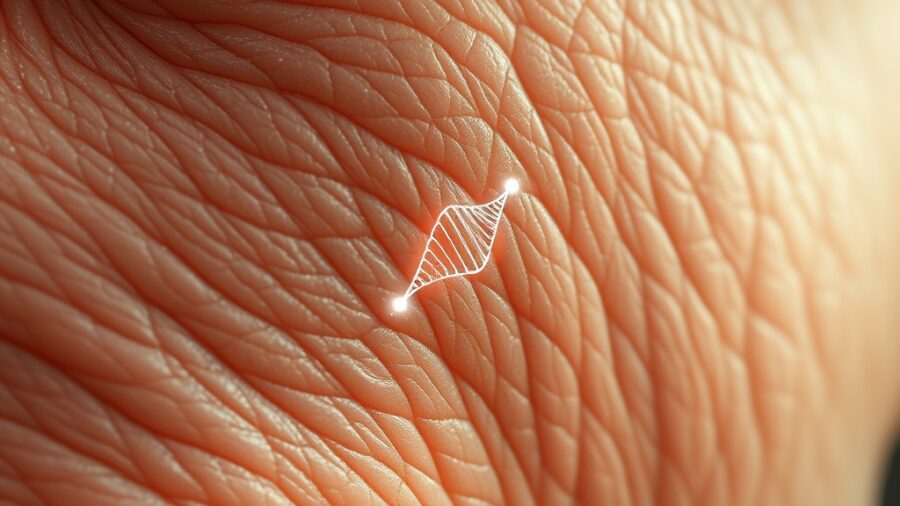
As we age, our skin undergoes various changes, and understanding the genetics skin aging factors is essential in addressing these transformations. Genetics plays a crucial role in determining how our skin ages, influencing everything from its elasticity to susceptibility to wrinkles. In this article, we will delve into the intricate relationship between genetics and skin aging, discussing the biological mechanisms involved, environmental influences, and how our genetic makeup determines skin types.
Furthermore, we will explore genetic disorders that can accelerate skin aging, preventive measures based on genetic insights, and the promising future of genetic research in skin care. By the end of this article, you will have a comprehensive understanding of how genetics influences skin aging and actionable strategies to mitigate its effects.
Anúncios
Join us on this journey as we uncover the science behind skin aging and genetics, offering you valuable insights into maintaining youthful skin through informed choices and preventive care.
Introduction to Genetics and Skin Aging
Understanding Skin Aging
Skin aging is a complex biological process influenced by both intrinsic and extrinsic factors. Intrinsic aging, also known as chronological aging, is the natural aging process that occurs over time, characterized by a gradual decline in cellular function. Extrinsic aging, on the other hand, is primarily caused by environmental factors such as sun exposure, pollution, and lifestyle choices.
One of the most significant intrinsic factors is genetics. Studies have shown that genetics can account for approximately 30-50% of skin aging characteristics. This means that understanding your genetic predisposition can provide insight into your skin’s aging process, helping in the formulation of personalized skincare routines.
The Role of Genetics in Aging
Genetics affects various aspects of skin aging, including collagen production, skin thickness, and the skin’s ability to regenerate. For instance, individuals with a family history of premature aging may inherit genes that lead to reduced collagen synthesis, which is essential for maintaining skin elasticity and firmness.
Moreover, specific genes are linked to skin conditions such as rosacea or eczema, which can exacerbate the signs of aging. By understanding these genetic factors, researchers can develop targeted therapies that address not only the symptoms of aging but also its root causes.
The Role of DNA in Skin Aging
Genetic Variants and Skin Aging
Our DNA contains numerous genetic variants that can influence skin aging. For example, polymorphisms in genes related to collagen synthesis, such as COL1A1 and COL3A1, can determine the skin’s structural integrity. Variants in these genes may lead to a decrease in collagen production, resulting in increased wrinkles and sagging.
Additionally, the gene FOXO3 has been associated with longevity and skin health. Research indicates that individuals with certain variants of this gene tend to have better skin aging outcomes, potentially due to enhanced cellular repair mechanisms and antioxidant defense.
Gene Expression and Skin Aging
Gene expression plays a pivotal role in skin aging. As we age, the expression levels of various genes change, impacting skin cell behavior. For instance, genes involved in inflammation and oxidative stress response may become overactive, leading to accelerated aging signs. Conversely, the expression of genes responsible for collagen production may diminish, further exacerbating skin aging.
Understanding these changes in gene expression can lead to the development of gene-targeted therapies. For example, topical treatments that can upregulate collagen-related genes may help restore skin elasticity and firmness, offering a promising avenue for anti-aging interventions.
Environmental Factors Influencing Genetics
The Interaction Between Genetics and Environment
While genetics play a significant role in skin aging, environmental factors cannot be overlooked. The interaction between our genes and the environment is complex, often referred to as epigenetics. Environmental factors such as UV radiation, pollution, and smoking can cause epigenetic changes that influence gene expression related to skin health.
For instance, UV exposure leads to the formation of DNA damage, which can trigger the expression of genes involved in inflammation and skin repair. Over time, this can result in accelerated aging, showcasing how environmental factors can exacerbate genetic predispositions.
Preventing Environmental Damage
Preventive measures can mitigate the impact of environmental factors on skin aging. Using broad-spectrum sunscreen daily, avoiding tanning beds, and maintaining a healthy lifestyle are essential strategies. Additionally, incorporating antioxidants in your skincare routine can help combat oxidative stress caused by environmental pollutants.
- Daily use of sunscreen with SPF 30 or higher
- Incorporating antioxidants like Vitamin C and E
- Avoiding smoking and excessive alcohol consumption
- Staying hydrated and maintaining a balanced diet
How Genetics Determines Skin Type
Identifying Skin Types Through Genetics
Genetics is a critical determining factor in our skin type, which can range from oily to dry, sensitive to normal. Specific genes influence the activity of sebaceous glands, determining how much oil the skin produces. For example, individuals with a genetic predisposition to oily skin may have variations in the gene that regulates sebum production.
Moreover, skin sensitivity can also be traced back to genetic factors. Variants in genes related to the skin barrier function may predispose individuals to conditions like eczema or rosacea, which in turn can affect overall skin aging. Understanding your skin type is essential for selecting appropriate skincare products that cater to your specific needs.
Genetic Testing for Skin Type
With advancements in genetic testing, individuals can now gain insights into their skin type and predispositions. Several companies offer genetic testing kits that analyze specific genes associated with skin health. These tests can provide valuable information regarding the best skincare ingredients and routines tailored to one’s genetic profile.
For example, if a genetic test reveals a predisposition to dry skin, individuals can prioritize hydrating ingredients like hyaluronic acid in their skincare regimen. This personalized approach can lead to more effective skincare outcomes and potentially slow down the aging process.
The Impact of Aging on Skin Cells
Cellular Aging and Skin Function
As we age, the functionality of skin cells declines. Keratinocytes, the primary cells in the epidermis, experience a decrease in proliferation and migration rates. This decline can lead to a thinner epidermis, reducing the skin’s ability to protect against environmental aggressors.
Moreover, fibroblasts, the cells responsible for collagen and elastin production, become less active with age. This reduction in fibroblast activity results in decreased collagen synthesis, leading to wrinkles and sagging skin. Understanding these cellular changes is crucial in developing targeted treatments to combat skin aging.
Telomere Shortening and Skin Aging
Telomeres are protective caps located at the ends of chromosomes, and their length is a significant factor in cellular aging. Each time a cell divides, telomeres shorten, eventually leading to cellular senescence, where cells can no longer divide or function efficiently. This process is particularly relevant in skin cells, as the accumulation of senescent cells can contribute to the visible signs of aging.
Research has shown that lifestyle factors such as diet, exercise, and stress management can influence telomere length. By adopting healthy habits, individuals may be able to preserve telomere length and delay the aging process of their skin.
Genetic Disorders and Skin Aging
Inherited Skin Conditions and Aging
Several genetic disorders significantly impact skin health and can accelerate the aging process. For instance, disorders like Ehlers-Danlos syndrome, which affects collagen production, can lead to fragile skin prone to wrinkles and bruising. Similarly, conditions like Xeroderma Pigmentosum, caused by mutations in DNA repair genes, increase the risk of skin cancer and premature aging due to UV sensitivity.
Understanding these conditions is essential for individuals affected by them, as tailored skincare regimens and regular dermatological check-ups can help manage their symptoms and mitigate aging effects.
Research on Genetic Disorders
Ongoing research into genetic disorders related to skin aging is crucial for developing effective treatments. Advances in gene therapy and CRISPR technology offer promising avenues for addressing genetic mutations that contribute to skin-related conditions. For example, researchers are exploring the potential of gene editing to correct mutations responsible for Ehlers-Danlos syndrome, potentially reversing its effects on skin aging.
Such innovations highlight the importance of genetic research in understanding skin aging and developing targeted therapies to improve skin health.
Preventive Measures Based on Genetic Insights
Personalized Skincare Regimens
With the knowledge of how genetics influences skin aging, individuals can adopt personalized skincare regimens tailored to their genetic predispositions. For instance, those with a family history of premature aging may benefit from proactive anti-aging products that contain retinoids, peptides, and antioxidants.
Moreover, genetic insights can guide individuals in selecting the right sunscreen formulations based on their skin type and sensitivity levels. Personalized skincare not only enhances the effectiveness of products but also ensures that individuals are using formulations that work best for their unique skin biology.
Lifestyle Modifications
In addition to skincare, lifestyle modifications play a vital role in mitigating the effects of genetic predispositions toward skin aging. Regular exercise, a balanced diet rich in antioxidants, and adequate hydration can support skin health at the cellular level.
Furthermore, stress management techniques such as mindfulness or yoga can help reduce oxidative stress, which is known to accelerate skin aging. By incorporating these lifestyle changes, individuals can enhance their overall skin health and counteract genetic factors contributing to aging.
| Lifestyle Factor | Impact on Skin Aging |
|---|---|
| Regular Exercise | Improves circulation and promotes skin regeneration |
| Balanced Diet | Provides essential nutrients and antioxidants to combat oxidative stress |
| Stress Management | Reduces inflammation and oxidative damage |
| Adequate Hydration | Maintains skin moisture and elasticity |
Future Trends in Genetic Research and Skin Care
Advancements in Genetic Testing
The future of skin care lies in advancements in genetic testing and personalized medicine. As genetic testing becomes more accessible, individuals will have the opportunity to understand their genetic predispositions more comprehensively. This knowledge will enable them to make informed decisions regarding their skincare routines and lifestyle choices.
Moreover, advancements in technology will likely lead to the development of more sophisticated tests that can analyze a broader range of genetic markers associated with skin aging. This will pave the way for highly personalized skincare solutions tailored to an individual’s unique genetic profile.
Innovations in Gene Therapy
Gene therapy is an emerging field that holds significant promise for skin care. Research is underway to explore how gene therapy can be used to treat genetic disorders that accelerate skin aging. For instance, therapies aimed at enhancing collagen production or repairing DNA damage could revolutionize the way we approach anti-aging treatments.
As these innovations continue to develop, the potential for gene therapy to become a mainstream solution for skin aging becomes more feasible. This could lead to a future where individuals can not only slow down the aging process but potentially reverse some of its effects through targeted genetic interventions.
Conclusion: Key Takeaways
Understanding the genetics skin aging factors is essential for anyone looking to maintain healthy, youthful skin. Genetics plays a critical role in determining skin type, susceptibility to aging, and the impact of environmental factors. By recognizing the importance of genetic predispositions, individuals can adopt personalized skincare regimens and make informed lifestyle choices to mitigate the effects of aging.
Moreover, advancements in genetic research and technology open exciting possibilities for the future of skincare. With continued research into genetic disorders and targeted therapies, we may soon have the tools to address the root causes of skin aging effectively. Adopting a proactive approach based on genetic insights will empower individuals to take charge of their skin health and age gracefully.
FAQ about Genetics and Skin Aging
1. How do genetics influence skin aging?
Genetics play a significant role in skin aging by determining factors such as collagen production, skin thickness, and susceptibility to skin conditions. Specific genes influence how our skin responds to aging and environmental factors, impacting overall skin health.
2. Can I prevent skin aging through lifestyle changes?
Yes, adopting a healthy lifestyle can help mitigate the effects of skin aging. Regular exercise, a balanced diet, and effective stress management can support skin health and enhance its appearance, regardless of genetic predispositions.
3. What are the most effective skincare ingredients for aging skin?
Effective ingredients for aging skin include retinoids, peptides, antioxidants, and hyaluronic acid. These ingredients can help stimulate collagen production, provide hydration, and protect against oxidative damage, promoting healthier skin.
4. Is genetic testing for skin aging worth it?
Genetic testing for skin aging can provide valuable insights into your skin type and predispositions. This information can help you make informed decisions about your skincare routine and potentially enhance its effectiveness.
5. How can gene therapy impact skin aging in the future?
Gene therapy has the potential to revolutionize skin care by addressing genetic disorders that accelerate aging. Future innovations may lead to therapeutic interventions that enhance collagen production or repair damaged DNA, offering new solutions for anti-aging treatments.
- Genetics significantly influence skin aging characteristics.
- Understanding your genetic makeup can guide personalized skincare choices.
- Environmental factors interact with genetic predispositions in skin aging.
- Cellular aging, including telomere shortening, impacts skin health.
- Advancements in genetic research promise innovative skincare solutions.
- Lifestyle modifications can help mitigate genetic predispositions toward aging.
- Gene therapy holds potential for future anti-aging treatments.
- Genetic testing can provide insights for tailored skincare regimens.