
Anúncios
Introduction
The landscape of warfare is evolving rapidly, with significant advancements in future military autonomous weapons. These technologies promise to reshape the battlefield, introducing capabilities that were once the realm of science fiction. As nations invest in the development of autonomous systems, understanding their implications for military strategy and international relations has never been more critical.
This article delves into the concept of military autonomous weapons, exploring their historical context, current technologies, potential benefits, ethical concerns, and the future trajectory of these systems. By the end of this exploration, readers will gain a comprehensive understanding of how autonomous weapons could redefine modern warfare and the challenges they pose to global stability.
Anúncios
As we navigate this complex subject, it is essential to consider not only the technological advancements but also the societal and ethical ramifications. The integration of autonomous weapons into military operations raises fundamental questions about accountability, decision-making, and the nature of warfare itself.
Join us as we unpack the intricacies of future military autonomous weapons and their potential impact on global security and military strategy.
Understanding Military Autonomous Weapons
Definition and Characteristics
Military autonomous weapons refer to systems that can independently engage targets without human intervention. These systems utilize advanced algorithms, artificial intelligence (AI), and machine learning to make decisions in real-time. Key characteristics include:
- Autonomy: The ability to operate without direct human control.
- Adaptability: The capacity to learn and adjust to new situations.
- Precision: Enhanced targeting capabilities that reduce collateral damage.
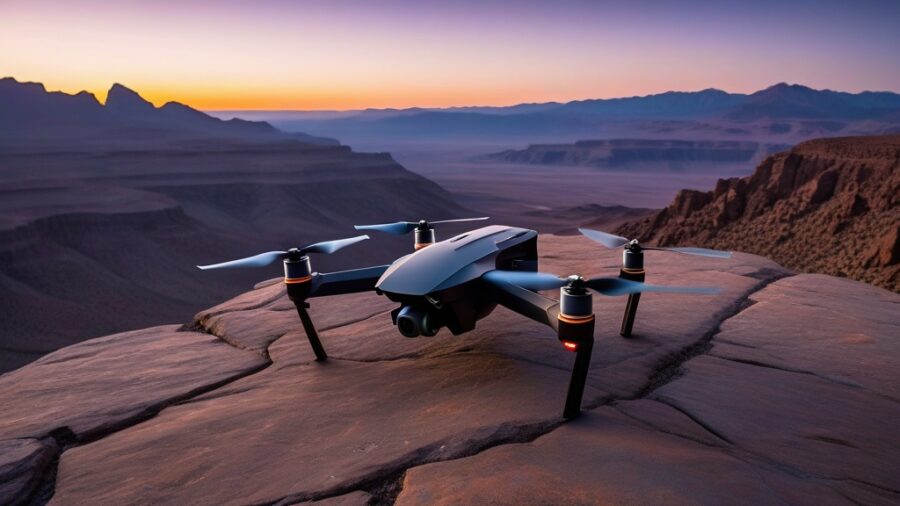
Examples of military autonomous weapons include drones capable of surveillance and strike missions, robotic ground vehicles designed for combat support, and naval vessels that can operate autonomously in hostile environments. Each of these systems demonstrates the potential to transform military operations fundamentally.
The Role of Artificial Intelligence
At the core of military autonomous weapons lies artificial intelligence, which enables these systems to process vast amounts of data and make informed decisions. AI technologies, such as computer vision, natural language processing, and decision-making algorithms, enhance the capabilities of autonomous weapons.
For instance, AI-powered drones can analyze real-time footage, identify targets, and execute missions with minimal human oversight. This capability not only increases operational efficiency but also raises questions about the ethical implications of removing human judgment from critical military decisions.
Historical Context of Autonomous Weapons Development
Early Developments
The journey towards autonomous weapons began during World War II with the development of guided missiles and early drone technology. The first significant use of drones occurred during the Vietnam War, where they served primarily for reconnaissance purposes. As technology advanced, the military began to explore more sophisticated applications for unmanned systems.
In the late 20th century, the emergence of AI and robotics significantly accelerated the development of autonomous systems. By the early 2000s, the U.S. military had deployed unmanned aerial vehicles (UAVs) like the Predator and Reaper drones, which could conduct surveillance and precision strikes.
Advancements in the 21st Century
The 21st century has seen unprecedented advancements in military autonomous weapons. Countries around the world have invested heavily in research and development, leading to the emergence of systems capable of complex operations. The integration of AI, machine learning, and advanced sensors has enabled these weapons to perform in diverse environments.
Recent conflicts, such as those in Iraq and Afghanistan, have showcased the effectiveness of autonomous drones in combat scenarios. Their ability to operate in high-risk areas while minimizing human casualties has made them invaluable assets to military operations.
Current Technologies in Military Autonomous Weapons
Drones and Unmanned Aerial Vehicles (UAVs)
Drones represent the most prominent example of current military autonomous technology. Modern UAVs are equipped with advanced sensors, cameras, and weapon systems, allowing them to perform a wide range of missions. The U.S. military, for instance, employs UAVs for surveillance, reconnaissance, and targeted strikes against enemy combatants.
Some of the most advanced drones include the MQ-9 Reaper and the RQ-170 Sentinel, which can operate at high altitudes and conduct missions with precision. Their ability to gather intelligence in real-time has revolutionized military strategy, providing commanders with critical information to inform decision-making.
Robotic Ground Vehicles
In addition to aerial systems, robotic ground vehicles are gaining traction in military applications. These systems can perform various tasks, from logistics support to direct engagement in combat scenarios. For example, the U.S. Army’s Autonomous Combat Ground Vehicle (ACGV) is designed to operate alongside human soldiers, providing support in dangerous environments.
Robotic ground vehicles enhance battlefield capabilities by taking on high-risk tasks, thereby reducing the risk to human soldiers. Their deployment is expected to increase, particularly in urban warfare and complex terrain where human access may be limited.
Potential Benefits of Autonomous Weapons
Increased Efficiency and Operational Capability
The integration of autonomous weapons into military operations offers numerous benefits, chief among them increased efficiency. These systems can operate continuously without fatigue, allowing for extended surveillance and engagement capabilities. This constant presence can deter adversaries and provide a tactical advantage in conflict scenarios.
Moreover, autonomous systems can process information and make decisions faster than human operators, enabling rapid responses to emerging threats. In situations where time is critical, this capability can be the difference between success and failure in military operations.
Reduced Human Casualties
One of the most compelling arguments for the use of military autonomous weapons is the potential to reduce human casualties. By deploying autonomous systems in high-risk environments, militaries can minimize the exposure of their personnel to danger. This shift not only protects soldiers but also aligns with a growing emphasis on humanitarian considerations in warfare.
However, while the reduction of human casualties is a significant advantage, it raises ethical concerns about the dehumanization of warfare and the potential for increased military engagement without the same level of accountability.
Ethical Concerns Surrounding Autonomous Military Systems
Accountability and Decision-Making
The deployment of autonomous weapons raises profound ethical questions regarding accountability. When a weapon system operates independently, determining responsibility for its actions becomes challenging. In cases of unintended casualties or collateral damage, it is unclear whether responsibility lies with the military operator, the manufacturer, or the AI itself.
Additionally, the lack of human judgment in critical decision-making processes can lead to significant moral dilemmas. The potential for autonomous systems to make life-and-death decisions without human oversight challenges traditional views on warfare and accountability.
The Risk of Escalation and Arms Race
Another ethical concern is the risk of escalation and the potential for an arms race among nations. As countries develop increasingly sophisticated autonomous weapons, there is a fear that this could lead to a new arms race, with nations competing to build more advanced systems. This competition could destabilize global security and lead to conflicts driven by technological superiority rather than diplomatic solutions.
Moreover, the proliferation of autonomous weapons to non-state actors or rogue nations poses a significant threat, as these entities may not adhere to international norms or ethical considerations in their use of force.
International Regulations and Treaties
Current Regulatory Framework
The rapid development of military autonomous weapons has outpaced existing international regulations. Currently, treaties such as the Convention on Certain Conventional Weapons (CCW) address the use of certain types of weapons but do not provide comprehensive guidelines for autonomous systems. As a result, there is a pressing need for new frameworks that specifically address the challenges posed by autonomous weapons.
Efforts have been made to initiate discussions at the United Nations regarding the regulation of lethal autonomous weapons systems (LAWS). However, consensus among member states has proven elusive, with differing perspectives on the necessity and scope of regulation.
Future of International Regulations
Looking ahead, the international community faces the challenge of creating effective regulations that balance military necessity with ethical considerations. Potential avenues include establishing clear definitions for autonomous weapons, outlining acceptable use cases, and ensuring transparency in the development and deployment of these systems.
Collaboration among nations, industry leaders, and ethicists will be crucial in shaping a regulatory landscape that addresses the complexities of military autonomous weapons while promoting global security and ethical standards.
The Future of Military Autonomous Weapons
Technological Advancements on the Horizon
The future of military autonomous weapons is likely to be shaped by ongoing technological advancements. Innovations in artificial intelligence, machine learning, and robotics will continue to enhance the capabilities of these systems. The integration of advanced sensors and communication technologies will allow for greater situational awareness and coordination among autonomous systems.
Furthermore, emerging technologies such as quantum computing may revolutionize the processing power available for military applications, enabling even more sophisticated autonomous decision-making capabilities.
Strategic Implications for Military Doctrine
The adoption of military autonomous weapons will inevitably influence military doctrine and strategy. As these systems become more prevalent, militaries will need to rethink traditional approaches to warfare. Strategies may shift towards an emphasis on networked operations, where autonomous systems work in concert with human forces to achieve strategic objectives.
Moreover, the integration of autonomous weapons into military planning will require new training protocols, ethical guidelines, and operational frameworks to ensure responsible use and accountability.
Conclusion
The evolution of future military autonomous weapons presents both opportunities and challenges for global security. While these systems promise increased efficiency and reduced human casualties, they also raise critical ethical concerns regarding accountability, escalation, and the risk of an arms race. As nations continue to develop and deploy autonomous technologies, establishing a robust regulatory framework will be essential to address these challenges.
Ultimately, the future of military autonomous weapons will depend on the ability of the international community to navigate the complex interplay between technological advancement and ethical responsibility. By fostering dialogue and collaboration, we can work towards a future where military autonomous systems are deployed in a manner that prioritizes human dignity and global security.
FAQ
What are military autonomous weapons?
Military autonomous weapons are systems that can operate and engage targets independently without human intervention. They use advanced technologies like artificial intelligence to make decisions in real-time.
What are the benefits of autonomous weapons?
Autonomous weapons offer increased operational efficiency and the potential to reduce human casualties. They can operate continuously, providing military forces with a tactical advantage in various scenarios.
What ethical concerns are associated with autonomous weapons?
Key ethical concerns include accountability for decisions made by autonomous systems, the potential for escalation in military conflicts, and the risk of dehumanizing warfare by removing human judgment from critical decisions.
Are there international regulations for autonomous weapons?
Currently, there is no comprehensive international regulatory framework specifically addressing autonomous weapons. Efforts are underway at the United Nations to discuss the regulation of lethal autonomous weapons systems.
What does the future hold for military autonomous weapons?
The future of military autonomous weapons will likely involve continued technological advancements and changes in military doctrine. There will be a need for new training protocols and ethical guidelines to ensure responsible use.
- Military autonomous weapons are reshaping warfare.
- They offer increased efficiency and reduced human casualties.
- Ethical concerns about accountability and escalation are paramount.
- Current regulations are insufficient for addressing these technologies.
- The future will involve technological advancements and strategic shifts.
- International collaboration is essential for effective regulation.
- Continued dialogue will shape responsible deployment.
- Understanding these systems is crucial for global security.
This content is informative and does not substitute for medical or psychological evaluation or treatment.