
Anúncios
Future Fashion: The Rise of Smart Textiles
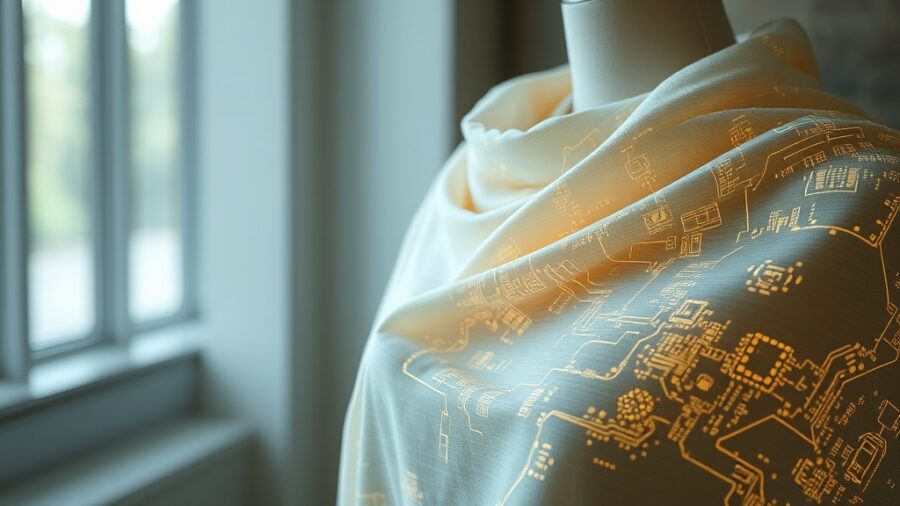
The world of fashion is on the brink of a revolutionary change, driven by future fashion smart textiles. These innovative materials are not just changing how we dress, but also how we interact with our clothing. From garments that can monitor health to fabrics that adapt to environmental conditions, smart textiles are setting new standards in the industry. This article will explore the evolution of smart textiles, their key technologies, applications in fashion, sustainability concerns, and the challenges they face, ultimately revealing what the future holds for this exciting intersection of technology and style.
As we delve into this topic, we will uncover how smart textiles are being integrated into everyday fashion and what implications this has for both designers and consumers. The evolution of these materials reflects a broader trend towards **sustainability** and **innovation** in the fashion industry. With the growing demand for personalized and functional clothing, understanding smart textiles is crucial for anyone interested in the future of fashion.
Anúncios
By the end of this article, you will have a comprehensive understanding of smart textiles and their role in shaping the future of fashion. You’ll learn about the technological advancements that have made these textiles possible, their various applications, and the challenges that still need to be addressed. Let’s embark on this journey into the world of future fashion and smart textiles.
The Evolution of Smart Textiles
The Historical Context of Smart Textiles
The concept of smart textiles isn’t entirely new; it has roots that date back several decades. The journey began in the 1960s when researchers first explored the integration of electronics into fabrics. Fast forward to the late 1990s and early 2000s, when advancements in nanotechnology and material science led to a significant breakthrough in smart textiles. The introduction of conductive fibers and sensors allowed for the development of fabrics that could respond to external stimuli.
One of the earliest examples of smart textiles was the development of e-textiles, which included garments embedded with electronic components. This paved the way for various applications, including wearable technology, where clothing could monitor health metrics like heart rate and temperature. The evolution of smart textiles has been a gradual process, but recent years have seen an explosion in innovation, with companies like Wearable X and Myant leading the charge in integrating technology seamlessly into fashion.
Current Trends in Smart Textile Development
Today, smart textiles are evolving rapidly, thanks to advancements in technology and an increasing demand for functionality in fashion. One of the most significant trends is the integration of IoT (Internet of Things) technology into textiles. This allows garments to connect to smartphones and other devices, enabling users to track their health metrics or adjust their clothing settings through apps.
Another trend is the development of fabrics that can change properties based on environmental conditions. For example, researchers are creating textiles that become more breathable when the temperature rises or that can change color based on the wearer’s mood. This adaptability not only enhances user experience but also opens the door to more sustainable fashion practices, as clothing can serve multiple purposes.
Overall, the evolution of smart textiles reflects a broader trend towards personalization and sustainability in fashion, challenging designers to innovate and rethink traditional garment production.
Key Technologies in Smart Textiles
Conductive Fibers and Sensors
At the heart of smart textiles are conductive fibers and sensors that enable the integration of technology into fabric. Conductive fibers are made from materials like silver, copper, or specially designed polymers that can conduct electricity. These fibers can be woven into traditional textiles, transforming them into smart fabrics that can transmit data.
Sensors embedded in smart textiles can monitor various metrics, such as temperature, moisture levels, and even biometric data. For instance, companies like Hexoskin offer smart shirts with embedded sensors that track heart rate, breathing, and activity levels in real-time, providing valuable insights into the wearer’s health.
These technologies are paving the way for innovative applications in sportswear, healthcare, and even everyday fashion, allowing users to engage with their clothing in unprecedented ways.
Wireless Communication Technologies
In addition to conductive fibers, wireless communication technologies are crucial for the functionality of smart textiles. Bluetooth and NFC (Near Field Communication) technologies enable garments to connect with smartphones and other devices. This connectivity allows for data transfer, remote control of garment features, and even integration with health monitoring systems.
For example, the Smart Shirt by Myant connects to a mobile app, where users can monitor their health metrics and receive personalized insights. This level of interactivity not only enhances user experience but also emphasizes the potential of smart textiles to revolutionize how we perceive and use clothing.
As wireless communication technologies continue to develop, we can expect even more sophisticated applications of smart textiles that further blur the lines between clothing and technology.
Applications of Smart Textiles in Fashion
Wearable Technology and Health Monitoring
One of the most prominent applications of smart textiles is in wearable technology, particularly in health monitoring. These garments can provide real-time data about the wearer’s health, making them invaluable for athletes and individuals with chronic health conditions. For instance, smart sportswear can analyze performance metrics, such as heart rate and muscle activity, allowing athletes to optimize their training regimens.
Moreover, smart textiles can also play a pivotal role in healthcare. Garments designed for patients can monitor vital signs, alerting medical professionals to potential issues before they become critical. This proactive approach to health management has the potential to save lives, making smart textiles an essential component of future healthcare solutions.
Fashion and Personalization
Smart textiles are also making waves in the fashion industry by offering unprecedented levels of personalization. Designers are now creating garments that can change color, pattern, or texture based on the wearer’s preferences or environmental conditions. For example, the e-Textile line by CuteCircuit features dresses that can change designs at the touch of a button, allowing wearers to express their individuality in dynamic ways.
Furthermore, smart textiles enable brands to collect data on consumer preferences, leading to more tailored offerings. This level of customization can enhance customer satisfaction and foster brand loyalty, as consumers feel more connected to products that reflect their unique tastes.
As technology continues to advance, the possibilities for personalization in fashion are limitless, setting the stage for a new era of consumer engagement.
Sustainability and Smart Textiles
The Environmental Impact of Textile Production
The fashion industry is one of the largest polluters in the world, with textile production contributing significantly to environmental degradation. Traditional manufacturing processes often involve toxic chemicals, excessive water usage, and enormous waste generation. However, smart textiles offer a sustainable alternative by incorporating eco-friendly materials and manufacturing techniques.
For instance, many companies are now focusing on creating textiles from recycled materials, such as PET bottles or discarded clothing. Brands like Reformation and Patagonia are leading the way in using sustainable practices, demonstrating that environmentally conscious fashion is not only possible but also desirable.
Furthermore, smart textiles can be designed to be more durable and long-lasting, reducing the need for frequent replacements and minimizing waste. By integrating sustainability into their production processes, the fashion industry can significantly reduce its environmental footprint.
Innovative Sustainable Materials
In the quest for sustainability, the development of innovative materials is crucial. Biodegradable textiles and fabrics made from natural fibers are gaining popularity as alternatives to synthetic materials. For example, Piñatex, a leather alternative made from pineapple leaf fibers, is an excellent example of how natural resources can be utilized sustainably in fashion.
Additionally, advancements in textile technology are enabling the creation of self-cleaning fabrics, which can reduce the frequency of washing and the associated water usage. This innovation not only conserves water but also prolongs the life of the garments, contributing to a more sustainable fashion ecosystem.
As the demand for sustainable fashion continues to rise, smart textiles will play a pivotal role in shaping a greener future for the industry.
Challenges Facing Smart Textiles in the Industry
Technical and Manufacturing Challenges
Despite the promising potential of smart textiles, several challenges remain. One of the main hurdles is the technical complexity involved in integrating electronics into textiles. Ensuring that these components are durable, washable, and comfortable to wear is a significant concern for manufacturers.
Moreover, the manufacturing process for smart textiles is often more complicated than traditional textile production, which can lead to higher costs. This complexity may deter some brands from adopting smart textiles, particularly smaller companies with limited resources. As the technology matures, finding solutions to these manufacturing challenges will be essential for wider adoption.
Consumer Acceptance and Market Readiness
Another significant challenge facing smart textiles is consumer acceptance. Many consumers are still unfamiliar with the concept of smart textiles, and there may be skepticism regarding their functionality and value. Educating consumers about the benefits of smart textiles will be vital for market acceptance.
Furthermore, as with any new technology, there is a learning curve associated with using smart textiles. Brands must ensure that their products are user-friendly, providing clear instructions on how to interact with the technology. Addressing these concerns will be critical for the successful integration of smart textiles into the mainstream fashion market.
Ultimately, overcoming these challenges will require collaboration between designers, manufacturers, and consumers to unlock the full potential of smart textiles.
The Future of Smart Textiles in Fashion
Emerging Trends and Innovations
The future of smart textiles in fashion is bright, with emerging trends and innovations poised to transform the industry. One significant trend is the incorporation of artificial intelligence (AI) into smart textiles, allowing for real-time data analysis and personalized recommendations. For instance, AI-driven smart fabrics could analyze a wearer’s movements and suggest optimal clothing adjustments for comfort and performance.
Additionally, the rise of augmented reality (AR) in fashion combined with smart textiles could lead to interactive clothing experiences. Imagine a garment that changes its design based on the wearer’s surroundings or social media interactions, creating a truly immersive fashion experience.
As technology continues to advance, we can expect even more innovative applications for smart textiles, further blurring the lines between fashion and technology.
Potential Market Growth and Economic Impact
The market for smart textiles is projected to grow significantly in the coming years. According to a report by Research and Markets, the global smart textiles market is expected to reach $5.4 billion by 2026, growing at a CAGR of 25.4% between 2021 and 2026. This growth is driven by increasing consumer demand for wearable technology, health monitoring, and sustainable fashion solutions.
As more brands embrace smart textiles, we can expect a ripple effect throughout the fashion industry, leading to job creation, innovation, and economic growth. The integration of smart textiles will not only enhance the consumer experience but also contribute to a more sustainable and efficient fashion ecosystem.
Conclusion
The exploration of future fashion and smart textiles reveals a dynamic landscape that is constantly evolving. From their historical roots to the cutting-edge technologies driving their development, smart textiles are set to revolutionize the fashion industry in profound ways. As we have seen, the applications of these textiles extend beyond aesthetics; they offer practical solutions for health monitoring, personalization, and sustainability.
However, challenges remain, including technical complexities and consumer acceptance. Addressing these hurdles will be crucial for the successful integration of smart textiles into mainstream fashion. As the market continues to grow, the potential for innovation and economic impact is immense. The future of smart textiles is not only exciting but also essential for a more sustainable and connected world.
FAQ about Future Fashion and Smart Textiles
What are smart textiles?
Smart textiles are fabrics embedded with technology that enables them to interact with their environment or the wearer. These textiles can monitor health metrics, change properties based on conditions, or connect to devices for enhanced functionality.
How do smart textiles impact sustainability in fashion?
Smart textiles can enhance sustainability by using eco-friendly materials, reducing waste through durability, and incorporating technologies that minimize environmental impact, such as self-cleaning fabrics.
What challenges do smart textiles face in the market?
Smart textiles face challenges such as technical complexity in manufacturing, higher production costs, and consumer skepticism regarding their functionality and value. Overcoming these challenges is essential for wider adoption.
How is technology integrated into smart textiles?
Technology is integrated into smart textiles through conductive fibers, sensors, and wireless communication technologies. These components enable garments to monitor data and connect with devices, enhancing user interaction.
What does the future hold for smart textiles in fashion?
The future of smart textiles in fashion is promising, with emerging trends in AI integration, augmented reality, and a projected market growth that indicates a significant impact on the industry and economy, fostering innovation and sustainability.
Recap of Key Points
- Smart textiles incorporate technology for enhanced functionality and interaction.
- The evolution of smart textiles reflects advancements in material science and consumer demand.
- Key technologies include conductive fibers, sensors, and wireless communication.
- Applications span health monitoring, wearable technology, and personalized fashion.
- Sustainability is a critical focus, with innovations in eco-friendly materials and practices.
- Challenges include technical complexities and consumer acceptance.
- The future promises significant growth and innovation in smart textiles.
- Collaboration among stakeholders is essential for unlocking the potential of smart textiles in fashion.