
Anúncios
Freshwater Scarcity: A Global Challenge
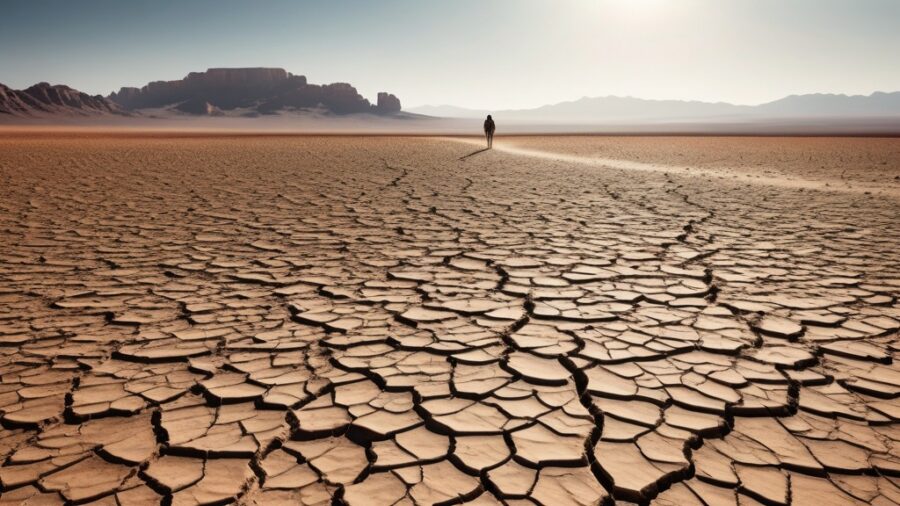
Freshwater scarcity is a pressing global challenge that impacts millions of lives across the planet. With over 2 billion people currently living in water-stressed areas, the urgency to address this crisis has never been more apparent. The diminishing availability of freshwater resources is not just an environmental concern; it is intricately linked to socio-economic stability, health, and food security. In this article, we will explore the multifaceted nature of freshwater scarcity, its causes, impacts, and the global responses aimed at mitigating this critical issue.
As we delve into the complexities surrounding freshwater scarcity, we will uncover the various factors contributing to this crisis, including climate change, population growth, and pollution. Furthermore, we will analyze how these issues affect societies worldwide, from rural communities to urban centers. By examining innovative solutions and technological advancements, we will also discuss how we can combat freshwater scarcity effectively.
Anúncios
Ultimately, understanding freshwater scarcity is vital for fostering a sustainable future. This article aims to equip readers with knowledge about the challenges and potential solutions related to freshwater scarcity, empowering individuals and communities to take action. Join us as we embark on this insightful journey into one of the most critical challenges of our time.
Understanding the Causes of Freshwater Scarcity
Climate Change and Its Impact
Climate change plays a pivotal role in exacerbating freshwater scarcity. Rising global temperatures lead to altered precipitation patterns, resulting in prolonged droughts in certain regions while causing flooding in others. According to the Intergovernmental Panel on Climate Change (IPCC), climate change could lead to a decrease in freshwater availability in some areas by up to 30% by 2050. These changes significantly affect agricultural productivity, drinking water supply, and overall ecosystem health.
Additionally, increased evaporation rates due to higher temperatures contribute to reduced water levels in lakes and reservoirs. This phenomenon not only diminishes the quality of available freshwater but also affects the natural habitats of various species. Climate change is thus a catalyst for a cascade of effects that ultimately intensify freshwater scarcity.
Population Growth and Urbanization
Another major cause of freshwater scarcity is rapid population growth and urbanization. The United Nations estimates that the global population will reach 9.7 billion by 2050, further straining existing freshwater resources. Urban areas, which currently house more than half of the world’s population, are projected to expand dramatically, leading to increased water demand for domestic, industrial, and agricultural use.
In densely populated cities, the competition for limited water supplies can lead to conflicts and inequality. Many urban centers struggle to provide adequate water services to all residents, resulting in a situation where marginalized communities often suffer the most. The challenge of managing water resources effectively in the face of growing populations is a critical aspect of addressing freshwater scarcity.
Impact of Freshwater Scarcity on Society
Health Consequences
Freshwater scarcity has profound implications for public health. Access to clean drinking water is essential for preventing waterborne diseases such as cholera, dysentery, and typhoid. According to the World Health Organization (WHO), approximately 2.2 million people die each year due to diseases associated with unsafe drinking water. In regions where freshwater scarcity is prevalent, the risk of these diseases increases significantly.
Moreover, inadequate water supply can lead to poor sanitation and hygiene practices, further exacerbating health issues. Vulnerable populations, including children and the elderly, are particularly at risk, highlighting the urgent need for effective water management and sanitation solutions.
Economic Implications
The economic impact of freshwater scarcity is equally significant. Agriculture, which consumes about 70% of global freshwater resources, is heavily affected by water shortages. Farmers face reduced yields and increased production costs due to the scarcity of water for irrigation. This can lead to food insecurity and increased prices for consumers.
Furthermore, industries that rely on freshwater for production processes also suffer, leading to job losses and reduced economic output. The overall economic burden of freshwater scarcity can result in substantial losses for countries, particularly in developing regions where water resources are already limited.
Global Responses to Freshwater Scarcity
International Frameworks and Agreements
In response to the growing challenge of freshwater scarcity, various international frameworks and agreements have been established. The United Nations Sustainable Development Goals (SDGs), particularly Goal 6, emphasizes the importance of ensuring availability and sustainable management of water and sanitation for all. This goal aims to promote integrated water resources management at all levels, including transboundary cooperation.
Additionally, initiatives such as the Paris Agreement focus on climate action, recognizing the interlinkages between climate change and freshwater resources. Countries are encouraged to develop strategies that enhance water resilience in the face of climate variability.
National Policies and Local Initiatives
Many nations are implementing policies aimed at addressing freshwater scarcity. For instance, countries like Israel have developed advanced water management techniques, such as drip irrigation and wastewater recycling, to optimize water use in agriculture. These practices have significantly increased agricultural output while conserving water resources.
Local initiatives also play a crucial role in tackling freshwater scarcity. Community-based water management programs empower local populations to take charge of their water resources, fostering sustainable practices and ensuring equitable access to water. These initiatives not only enhance water security but also promote social cohesion within communities.
Innovative Solutions for Water Conservation
Rainwater Harvesting
One innovative solution for tackling freshwater scarcity is rainwater harvesting. This technique involves collecting and storing rainwater for various uses, such as irrigation, drinking, and sanitation. Rainwater harvesting systems can be implemented at both household and community levels, providing a sustainable source of freshwater in areas where traditional sources are limited.
For example, in parts of India and Africa, rainwater harvesting has significantly improved water availability during dry seasons, allowing communities to enhance food security and improve overall health outcomes. Implementing such systems can be a cost-effective method to mitigate the impacts of freshwater scarcity.
Desalination Technologies
Desalination, the process of removing salt from seawater to produce fresh water, has gained popularity as a solution to freshwater scarcity, particularly in arid regions. Countries such as Saudi Arabia and the United Arab Emirates have invested heavily in desalination plants to meet their growing water demands. These technologies can provide a reliable source of freshwater, especially in countries with limited natural freshwater resources.
However, desalination also presents challenges, including high energy consumption and environmental concerns related to brine disposal. As technology advances, the development of more energy-efficient desalination methods remains essential for making this solution sustainable.
The Role of Technology in Addressing Water Scarcity
Smart Water Management Systems
Technological advancements play a crucial role in addressing freshwater scarcity through smart water management systems. These systems utilize sensors, data analytics, and real-time monitoring to optimize water usage and detect leaks in distribution systems. By implementing these technologies, municipalities can reduce water loss and enhance the efficiency of water supply networks.
For instance, cities like Singapore have adopted smart water management practices, resulting in a significant reduction in water leakage rates and improved overall water conservation. Such technologies not only help in managing existing water resources more effectively but also pave the way for sustainable water management practices.
Water-Efficient Agriculture Technologies
In the agricultural sector, innovative technologies such as precision irrigation and drought-resistant crops are essential for conserving freshwater resources. Precision irrigation systems use data-driven approaches to deliver water directly to the plant roots, minimizing waste and ensuring optimal growth conditions. This method can lead to water savings of up to 50% compared to traditional irrigation techniques.
Additionally, the development of genetically modified crops that require less water has the potential to revolutionize agricultural practices in water-scarce regions. These advancements not only help farmers adapt to changing climate conditions but also contribute to global food security.
Future Outlook on Freshwater Resources
Predicted Trends and Challenges
The future outlook on freshwater resources is a mixed bag of challenges and opportunities. As climate change continues to affect weather patterns, regions that currently experience abundant freshwater may face shortages, while previously arid areas might see increased rainfall. This unpredictability poses significant challenges for water management and planning.
Moreover, population growth and urbanization will likely intensify pressure on freshwater resources. Without proactive measures, the gap between water demand and supply may widen, leading to increased competition and potential conflict over water resources. Sustainable management practices will be essential to navigate these challenges.
Potential Solutions and Innovations
Looking ahead, the integration of innovative technologies and sustainable practices will be vital in addressing freshwater scarcity. As communities and governments invest in research and development, new solutions will emerge to enhance water conservation and management. Collaborative efforts across sectors will be necessary to ensure a holistic approach to freshwater resources.
Furthermore, raising awareness about the importance of water conservation among individuals and businesses will play a crucial role in fostering a culture of sustainability. Education and outreach initiatives can empower communities to take action, ultimately contributing to the preservation of freshwater resources for future generations.
Conclusion
Freshwater scarcity is a complex global challenge that affects societies on multiple levels. Understanding its causes, impacts, and potential solutions is essential for addressing this pressing issue. From the effects of climate change and population growth to the economic and health implications, the consequences of freshwater scarcity are far-reaching.
Fortunately, there are numerous global responses, innovative solutions, and technological advancements that can help mitigate the impacts of freshwater scarcity. By promoting sustainable practices and investing in effective water management systems, we can work towards ensuring access to clean freshwater for all. The path forward requires collaboration, innovation, and a shared commitment to protecting this vital resource.
Frequently Asked Questions
What is freshwater scarcity?
Freshwater scarcity refers to the lack of sufficient freshwater resources to meet the demands of water supply for a population. It can result from various factors, including climate change, over-extraction, and pollution.
What are the main causes of freshwater scarcity?
The primary causes of freshwater scarcity include climate change, population growth, urbanization, and pollution. These factors contribute to the depletion and contamination of available freshwater resources.
How does freshwater scarcity affect public health?
Freshwater scarcity can lead to a lack of access to clean drinking water, increasing the risk of waterborne diseases. Poor sanitation and hygiene practices due to limited water supply can further exacerbate health issues in affected communities.
What are some innovative solutions for water conservation?
Innovative solutions for water conservation include rainwater harvesting, desalination technologies, smart water management systems, and water-efficient agricultural practices. These methods aim to optimize water use and enhance sustainability.
What is the future outlook for freshwater resources?
The future outlook for freshwater resources is uncertain, with rising challenges due to climate change and population growth. However, advancements in technology and sustainable practices can provide opportunities for better water management and conservation.
- Freshwater scarcity affects over 2 billion people globally.
- Climate change may reduce freshwater availability by 30% by 2050.
- Access to clean water is crucial for preventing waterborne diseases.
- Smart water management systems can significantly reduce water loss.
- Innovative solutions like rainwater harvesting are effective in water-scarce regions.
- The global population is projected to reach 9.7 billion by 2050, increasing water demand.
- Desalination technologies are becoming more prevalent in arid regions.
- Community-based water management programs empower local populations.
This content is informative and does not substitute for medical or psychological evaluation or treatment.