
Anúncios
Understanding Smart Dust Sensor Networks: A Comprehensive Overview
In the realm of modern technology, smart dust sensor networks represent a revolutionary development that has the potential to transform various industries. These networks consist of tiny, wireless sensors that can monitor and collect data from their environment with remarkable efficiency. As we delve deeper into this topic, we will explore what smart dust sensor networks are, their applications, advantages, challenges, future trends, and much more.
This article aims to provide an in-depth understanding of smart dust sensor networks, highlighting their significance in today’s world. By the end of this exploration, readers will have a comprehensive grasp of how these networks operate and the impact they could have on various sectors.
Anúncios
As we navigate through the intricate world of smart dust, we will discuss not only the technical aspects but also the practical applications that make these systems invaluable. Whether you are a professional in the field or simply curious about emerging technologies, this article promises to deliver valuable insights.
What are Smart Dust Sensor Networks?
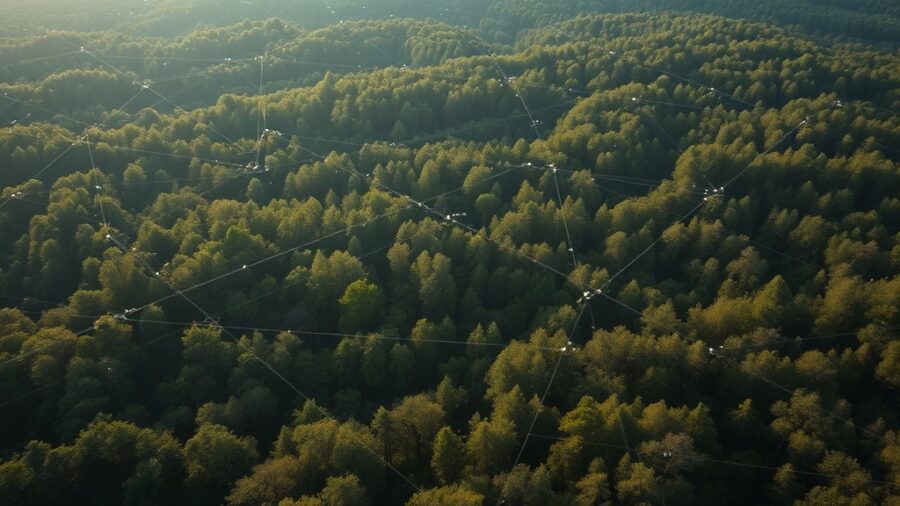
Smart dust sensor networks are composed of a multitude of tiny sensors, often referred to as “smart dust,” that can be dispersed over an area to collect data. Each sensor is capable of sensing various environmental parameters such as temperature, humidity, light, and motion. These sensors communicate wirelessly, forming a network that can relay information to a central processing unit.
Components of Smart Dust Sensor Networks
The primary components of smart dust sensor networks include:
- Sensor Nodes: These are miniature devices equipped with sensors, microprocessors, and wireless communication capabilities.
- Data Aggregator: A central unit that collects and processes the data transmitted by the sensor nodes.
- Power Supply: Most smart dust sensors rely on tiny batteries or energy harvesting methods to remain operational.
How Do Smart Dust Sensor Networks Operate?
Smart dust sensor networks operate by utilizing a combination of sensing, processing, and communication technologies. The sensor nodes continuously monitor their environment and send data to the data aggregator. This data can then be analyzed to derive insights, making it invaluable for decision-making processes.
For example, in agricultural applications, smart dust sensors can monitor soil moisture levels and provide real-time data to farmers, allowing them to optimize irrigation practices. This level of automation and data analysis can significantly enhance efficiency and productivity.
Applications of Smart Dust Sensor Networks
The versatility of smart dust sensor networks has led to their adoption across various sectors. Notably, their applications span industries such as agriculture, healthcare, environmental monitoring, and smart cities.
Agricultural Monitoring
In agriculture, smart dust sensor networks are employed to monitor soil conditions, crop health, and environmental factors. By using these networks, farmers can achieve precision farming, where resources such as water and fertilizers are used more efficiently. This not only reduces costs but also minimizes environmental impact.
Healthcare Innovations
In healthcare, smart dust sensors can be used for patient monitoring. Wearable devices equipped with smart dust technology can track vital signs and send alerts to medical professionals in case of anomalies. This capability enhances patient care while also reducing hospital visits and associated costs.
According to a report by the World Health Organization, the integration of smart dust technology in healthcare could potentially reduce emergency response times by up to 30%, showcasing its transformative potential.
Advantages of Smart Dust Sensor Networks
The implementation of smart dust sensor networks offers numerous advantages, making them an appealing choice for businesses and organizations looking to leverage technology for enhanced efficiency and effectiveness.
Cost-Effectiveness
One of the primary benefits of smart dust sensor networks is their cost-effectiveness. Traditional monitoring systems can be expensive to install and maintain. In contrast, the miniature size of smart dust sensors allows for widespread deployment without significant financial investment.
Real-Time Data Collection
Smart dust sensor networks enable real-time monitoring and data collection, allowing organizations to respond promptly to changes in their environment. This capability is crucial in scenarios such as disaster management, where timely data can save lives and resources.
For instance, during the 2020 Australian bushfires, the deployment of smart dust sensors provided critical data on air quality and temperature, aiding firefighting efforts and enhancing public safety.
Challenges in Implementing Smart Dust Sensor Networks
Despite their advantages, the deployment of smart dust sensor networks is not without challenges. Understanding these obstacles is essential for successful implementation and operation.
Security Concerns
One of the significant challenges associated with smart dust sensor networks is security. As these networks transmit sensitive data over wireless channels, they are susceptible to cyberattacks. Ensuring data integrity and protecting against unauthorized access is paramount for organizations deploying these networks.
Power Management
Power consumption is another critical challenge. While some smart dust sensors utilize energy harvesting techniques, others rely on batteries, which may require frequent replacements. Developing low-power sensors and efficient energy management solutions is essential for the sustainability of smart dust networks.
According to a study published in the “Journal of Wireless Communications,” enhancing battery life and optimizing energy consumption could extend the operational lifespan of these networks significantly.
Future Trends in Smart Dust Sensor Networks
The future of smart dust sensor networks is promising, with several trends likely to shape their development and application. As technology continues to evolve, so too will the capabilities of these networks.
Integration with IoT
One of the most significant trends is the integration of smart dust sensor networks with the Internet of Things (IoT). This synergy will enable smarter cities, where various systems can communicate and collaborate for enhanced efficiency, safety, and sustainability.
Advanced Data Analytics
As data analytics technologies advance, smart dust sensor networks will likely benefit from enhanced data processing capabilities. The integration of artificial intelligence and machine learning algorithms can lead to more accurate predictions and insights derived from the collected data.
Industry experts predict that by 2025, the global market for smart dust sensors is expected to reach over $10 billion, driven by these technological advancements and growing demand across various sectors.
Conclusion
In conclusion, smart dust sensor networks represent a groundbreaking advancement in the field of technology. Their ability to monitor and analyze environmental conditions in real-time holds immense potential across diverse sectors, including agriculture, healthcare, and urban management. While challenges such as security and power management persist, ongoing developments and trends indicate a bright future for these networks.
As we continue to explore the capabilities of smart dust sensor networks, it becomes evident that they will play a crucial role in shaping the future of technology and data-driven decision-making. Embracing these innovations will allow organizations to enhance their operational efficiency and sustainability.
FAQ about Smart Dust Sensor Networks
1. What is the primary function of smart dust sensor networks?
The primary function of smart dust sensor networks is to monitor environmental conditions using tiny, wireless sensors that collect and transmit data in real-time. This data can be used for various applications, including agriculture, healthcare, and environmental monitoring.
2. How do smart dust sensors communicate?
Smart dust sensors communicate wirelessly through radio frequency or other wireless protocols. This allows them to transmit data to a central processing unit or data aggregator for analysis and decision-making.
3. What are the main challenges faced by smart dust sensor networks?
Some of the main challenges include security concerns related to data transmission, power management for sensor operation, and ensuring reliable connectivity across extensive networks.
4. How can smart dust sensor networks benefit agriculture?
In agriculture, smart dust sensor networks can optimize resource usage by providing real-time data on soil conditions, crop health, and environmental factors. This leads to increased efficiency and reduced environmental impact.
5. What future trends are expected in smart dust sensor networks?
Future trends include greater integration with the Internet of Things (IoT), advancements in data analytics, and the development of more efficient energy management solutions to enhance the operational lifespan of these networks.
Recap of Key Points
- Smart dust sensor networks consist of tiny sensors that monitor environmental conditions.
- They find applications in agriculture, healthcare, and smart city management.
- Advantages include cost-effectiveness and real-time data collection.
- Challenges include security risks and power management issues.
- Future trends point towards IoT integration and advanced data analytics.
- Smart dust technology has the potential to revolutionize various industries.
- Organizations can enhance efficiency and sustainability by adopting these networks.
- Continued developments will shape the capabilities of smart dust sensor networks.