
Anúncios
Essential First Aid Basic Knowledge for Everyone
First aid is an essential skill that everyone should possess, as it can save lives in emergency situations. Understanding first aid basic knowledge equips individuals with the ability to offer immediate assistance before professional medical help arrives. Knowing how to respond to common injuries and emergencies can mean the difference between life and death. In this article, we will delve into the fundamental concepts of first aid, the importance of training, and practical techniques that everyone should know.
As we explore the various aspects of first aid, you will learn about the significance of having a well-equipped first aid kit, how to handle specific emergencies, and the best practices for administering aid. This comprehensive guide is designed not just for healthcare professionals, but for anyone who wants to be prepared to help in times of crisis. By the end of this article, you will have a solid foundation of first aid basic knowledge that can be crucial in real-life situations.
Anúncios
In addition to practical skills, we will also discuss how to create a first aid kit tailored to your needs and the common misconceptions surrounding first aid practices. Whether you are a parent, a teacher, or simply someone who wishes to be proactive in ensuring the safety of yourself and others, this information will empower you to act confidently and effectively in emergencies. Let’s begin our journey into the vital world of first aid.
Understanding the Basics of First Aid
Definition and Purpose of First Aid
First aid is defined as the immediate assistance provided to someone who has suffered an injury or sudden illness. The primary goal of first aid is to preserve life, prevent the condition from worsening, and promote recovery. This can involve administering basic medical care, managing shock, or stabilizing a patient until professional help is available. It is crucial to remember that first aid is not a substitute for professional medical treatment; rather, it serves as a bridge to ensure that individuals receive the necessary care as quickly as possible.
The Role of First Responders
First responders play a critical role in the emergency response framework. This group primarily consists of trained individuals, such as paramedics, firefighters, police officers, and even ordinary citizens who have undergone first aid training. Their prompt actions can significantly impact the outcome of an emergency situation. For example, a timely application of CPR (Cardiopulmonary Resuscitation) can double or even triple the chances of survival for a cardiac arrest victim.
In many cases, first responders are the first point of contact for individuals in distress. They must assess the situation quickly, prioritize the needs of the injured or ill person, and act appropriately. Training in basic first aid principles enables these responders to remain calm under pressure and deliver effective care until professional medical personnel arrive. Understanding the fundamentals of first aid allows anyone to step in as a first responder when needed.
The Importance of First Aid Training
Benefits of Being Trained in First Aid
Receiving formal training in first aid provides numerous benefits. Firstly, it equips individuals with the skills necessary to manage emergencies effectively. A trained person can identify the signs and symptoms of various medical conditions, such as choking, heart attack, or stroke, and respond accordingly. This knowledge can be invaluable in situations where every second counts.
Moreover, first aid training fosters a sense of confidence and preparedness. Individuals who have undergone training are more likely to take action in emergencies rather than freeze or hesitate. This proactive mindset can save lives and reduce the severity of injuries. According to the American Red Cross, people who have completed first aid training are significantly more likely to intervene in emergency situations compared to those who have not received such training.
Where to Get First Aid Training
There are various avenues for obtaining first aid training, including local community centers, hospitals, and organizations like the American Red Cross or St. John Ambulance. Many of these institutions offer courses tailored to different skill levels, from basic first aid to advanced life support. Online courses have also become increasingly popular, allowing learners to complete training at their own pace.
When selecting a course, it is essential to ensure that it follows the latest guidelines set by recognized authorities in emergency care. Certification from reputable organizations not only enhances credibility but also provides participants with practical experience through hands-on training scenarios. This real-world practice is invaluable, as it prepares individuals to respond effectively when faced with actual emergencies.
Common First Aid Techniques Everyone Should Know
CPR and Choking Relief
Cardiopulmonary Resuscitation (CPR) is one of the most critical first aid techniques. It is performed when someone’s heart has stopped beating, and it involves chest compressions and rescue breaths. Knowing how to perform CPR can significantly increase the chances of survival for a cardiac arrest victim. The basic steps for adult CPR include:
- Call for emergency services immediately.
- Place the person on their back on a firm surface.
- Begin chest compressions at a rate of 100 to 120 compressions per minute, pushing down hard and fast in the center of the chest.
- If trained, give rescue breaths after every 30 compressions.
Choking relief is another vital skill. The Heimlich maneuver, or abdominal thrusts, can be performed on adults and children who are conscious and choking. If the person cannot speak, cough, or breathe, follow these steps:
- Stand behind the person and wrap your arms around their waist.
- Make a fist with one hand and place it just above the person’s navel.
- Grab your fist with your other hand and thrust inward and upward until the object is dislodged.
Managing Cuts and Scrapes
Minor cuts and scrapes are common injuries that can occur in everyday life. Properly cleaning and dressing these wounds is essential to prevent infection. The steps to manage cuts and scrapes include:
- Wash your hands thoroughly before touching the wound.
- Rinse the cut under clean, running water to remove dirt and debris.
- Apply an antiseptic to the wound to reduce the risk of infection.
- Cover the wound with a sterile bandage or gauze.
Monitoring the wound for signs of infection, such as increased redness, swelling, or discharge, is also important. If any of these symptoms occur, seek medical advice promptly to prevent complications.
How to Respond to Different Emergencies
Responding to Burns
Burns can range from minor to life-threatening, depending on their severity and the area of the body affected. For minor burns, such as first-degree burns, the immediate response includes:
- Cool the burn under running water for at least 10 minutes.
- Cover the burn with a sterile, non-adhesive bandage.
- Avoid applying ice directly to the burn, as this can cause further damage.
For more severe burns, including second and third-degree burns, it is crucial to seek medical help immediately. Do not immerse severe burns in water or remove any clothing stuck to the burn, as this can exacerbate the injury.
Managing Bleeding
In cases of significant bleeding, it is essential to act quickly and effectively. Follow these steps to manage bleeding:
- Apply direct pressure to the wound using a clean cloth or bandage.
- If blood soaks through the cloth, do not remove it; instead, add more cloth on top and continue applying pressure.
- Elevate the injured area above the level of the heart if possible.
- Seek emergency medical assistance if the bleeding does not stop within 10 minutes or if the wound is deep.
Creating a First Aid Kit
Essential Items for a First Aid Kit
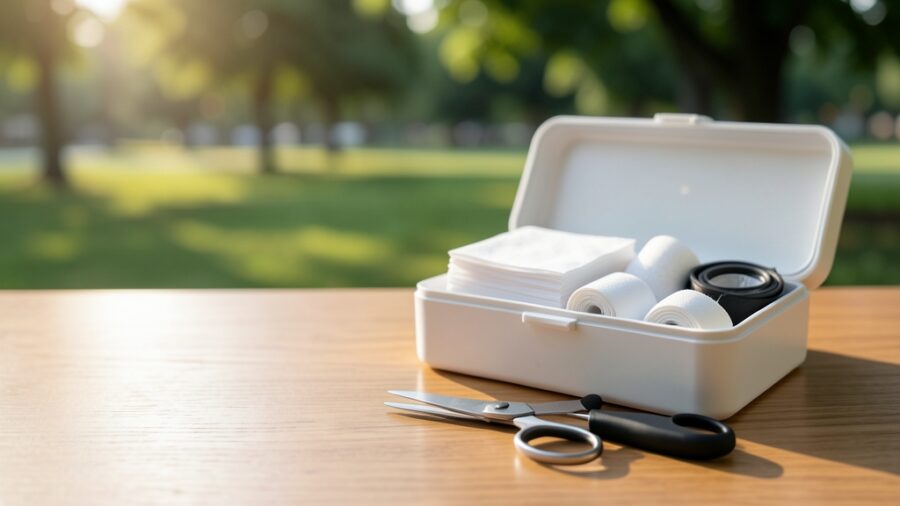
Having a well-stocked first aid kit is vital for handling emergencies effectively. A basic first aid kit should include the following items:
- Adhesive bandages of various sizes
- Sterile gauze pads and tape
- Antiseptic wipes or solution
- Antibiotic ointment
- Scissors and tweezers
- Disposable gloves
- An instant cold pack
- Pain relievers, such as acetaminophen or ibuprofen
Additionally, consider including a first aid manual or guide, as well as any personal medications or items specific to your family’s needs. Regularly check and replenish your first aid kit to ensure that all supplies are up to date and in good condition.
Customizing Your First Aid Kit
While a basic first aid kit is essential, customizing it to suit your specific environment can enhance its effectiveness. For instance, if you spend a lot of time outdoors, consider adding items such as:
- Insect repellent
- Burn cream
- Emergency blanket
- Splints for immobilizing injured limbs
For home or workplace kits, consider including additional items such as:
- Thermometer
- Eye wash solution
- CPR face shield or mask
Conclusion
In conclusion, understanding first aid basic knowledge is crucial for everyone. The ability to provide immediate assistance in emergencies can save lives and prevent further injury. By learning essential techniques such as CPR, managing bleeding, and responding to burns, individuals can empower themselves and others to act confidently in critical situations. Additionally, creating a well-equipped and customized first aid kit ensures that you are prepared for various emergencies that may arise.
Remember, the skills learned through first aid training are not only applicable in emergencies but can also foster a sense of community and responsibility. By sharing this knowledge, you contribute to a culture of safety and preparedness within your family, workplace, and community. As you continue to expand your understanding of first aid, you will become a more effective bystander and responder in times of need.
Frequently Asked Questions about First Aid
What should I do if someone is not breathing?
If someone is not breathing, immediately call emergency services and begin CPR if you are trained. Ensure the person is on a firm surface and start chest compressions at a rate of 100-120 compressions per minute until help arrives.
How can I prevent infection in a wound?
To prevent infection, clean the wound thoroughly with running water and apply an antiseptic. Cover the wound with a sterile bandage and change the dressing regularly while monitoring for signs of infection.
When should I seek medical help for a burn?
Seek medical help for burns that are larger than three inches, involve the face, hands, feet, or genitals, or if the burn is deep or appears charred. Always err on the side of caution and consult a professional if in doubt.
Can I use my first aid kit for my pets?
While some items in a human first aid kit can be used for pets, it is best to have a separate pet first aid kit. Consult your veterinarian for specific items to include, as pets have unique needs in emergencies.
Is it necessary to take a first aid course?
While it is not legally required, taking a first aid course is highly recommended. Training provides valuable knowledge and skills that can prepare you to respond effectively in emergencies, potentially saving lives.
Recap of Key First Aid Knowledge
- First aid is vital for preserving life and preventing worsening conditions.
- Training in first aid boosts confidence and preparedness in emergencies.
- Key techniques include CPR, choking relief, and managing bleeding.
- A well-stocked first aid kit is essential for effective emergency response.
- Customizing your first aid kit enhances its effectiveness for specific environments.
- Regular training and practice ensure skills remain sharp and effective.
This content is informative and does not substitute for medical or psychological evaluation or treatment.