
Anúncios
Composting Home Garden Guide: An Essential Resource for Sustainable Gardening
Welcome to the ultimate composting home garden guide, where we will delve into the art and science of composting. Whether you are a seasoned gardener or just starting your journey, understanding composting is crucial for creating a thriving garden. Composting not only reduces waste but also enriches your soil, providing essential nutrients for your plants. In this guide, we will cover everything from the basics of composting to troubleshooting common issues, ensuring you have all the knowledge you need to succeed.
As we explore the various aspects of composting, you will discover the numerous benefits it offers to your home garden. From improving soil health to attracting beneficial organisms, composting can transform your gardening experience. Furthermore, we will examine different composting methods, suitable materials, and effective maintenance techniques that will help you maximize the efficiency of your compost pile.
Anúncios
By the end of this guide, you will be equipped with practical tips and insights, enabling you to set up and maintain a successful composting system at home. So, let’s dig in and uncover the wonders of composting!
Introduction to Composting
What is Composting?
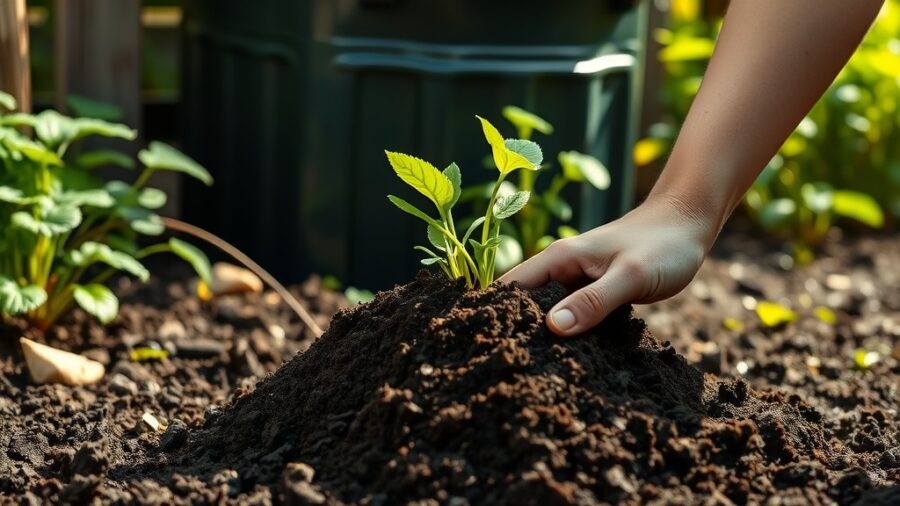
Composting is a natural process that transforms organic waste into nutrient-rich soil conditioner known as compost. This process involves the decomposition of organic materials, such as food scraps, yard waste, and other biodegradable materials, facilitated by microorganisms like bacteria and fungi. The end product, compost, is a dark, crumbly substance that enhances soil structure, fertility, and moisture retention.
The Composting Process
The composting process typically occurs in several stages:
- Collection: Gather organic materials, ensuring a balance of ‘green’ (nitrogen-rich) and ‘brown’ (carbon-rich) materials.
- Decomposition: Microorganisms break down the materials, aided by moisture and oxygen.
- Maturation: The compost matures over weeks to months, resulting in a stable end product ready for use.
Understanding these stages is essential for successful composting. The entire process can take anywhere from a few weeks to several months, depending on various factors, including temperature, moisture, and the types of materials used.
Benefits of Composting in Home Gardens
Environmental Impact
One of the most significant benefits of composting is its positive environmental impact. By composting kitchen scraps and yard waste, you contribute to reducing landfill waste, which is a growing concern globally. According to the Environmental Protection Agency (EPA), approximately 30% of the waste stream in the United States is organic material that can be composted.
Improved Soil Quality
Incorporating compost into your garden soil enhances its quality in several ways:
- Nutrient-Rich: Compost provides essential nutrients, such as nitrogen, phosphorus, and potassium, which are vital for plant growth.
- Soil Structure: It improves soil aeration and drainage, leading to healthier root systems.
- Microbial Activity: Compost promotes beneficial microbial activity, which helps suppress diseases and pests.
The use of compost not only boosts plant health but also leads to increased yields and more resilient gardens, especially in challenging growing conditions.
Types of Composting Methods
Hot Composting
Hot composting is a method that involves maintaining a high temperature in the compost pile, typically between 130°F and 160°F (54°C to 71°C). This method rapidly breaks down organic materials and kills pathogens and weed seeds. To achieve these temperatures, it is crucial to maintain a balanced mix of greens and browns, as well as adequate moisture and aeration.
Cold Composting
Cold composting, on the other hand, is a slower method that does not require turning the pile or maintaining high temperatures. This method is ideal for those who prefer a more hands-off approach. While it takes longer to decompose, cold composting still produces valuable compost, albeit at a slower pace. It is best suited for gardeners who want to compost in a more passive manner.
Materials for Composting
Green Materials
Green materials are rich in nitrogen and include:
- Fruit and vegetable scraps
- Grass clippings
- Coffee grounds
- Eggshells
Brown Materials
Brown materials are high in carbon and consist of:
- Dried leaves
- Cardboard
- Pine needles
- Wood chips
For optimal composting, aim for a ratio of 2:1 or 3:1 of browns to greens. This balance is crucial for creating an efficient composting environment that promotes rapid decomposition.
Setting Up Your Compost Bin
Choosing the Right Compost Bin
When selecting a compost bin, consider factors such as size, material, and accessibility. Compost bins can be made from various materials, including plastic, wood, and wire mesh. Each type has its advantages:
- Plastic Bins: Durable and often come with lids to retain moisture.
- Wooden Bins: Aesthetic appeal and can be customized in size.
- Wire Mesh Bins: Excellent for aeration and easy access.
Location and Setup
Choose a location that is convenient and receives partial sunlight. Ideal composting spots are well-drained and have good air circulation. Start by layering browns and greens in your bin, ensuring that the materials are chopped or shredded to speed up decomposition.
Maintaining Your Compost
Monitoring Temperature and Moisture
Regularly monitor the temperature and moisture levels in your compost bin. The ideal moisture content should feel like a damp sponge. If the pile is too dry, add water, and if it is too wet, incorporate more brown materials to absorb excess moisture. Maintaining an optimal temperature is critical for effective decomposition; consider using a compost thermometer to check the internal temperature regularly.
Aeration Techniques
Aeration is essential for providing oxygen to the microorganisms responsible for composting. Turn your compost pile every few weeks using a pitchfork or compost aerator. This process not only helps mix the materials but also promotes even decomposition and prevents odor issues.
Troubleshooting Common Composting Issues
Odors and Pests
One common issue encountered in composting is unpleasant odors. This can be caused by an imbalance of materials, excessive moisture, or lack of aeration. To resolve odors, ensure you maintain the right balance of greens and browns, aerate the pile regularly, and monitor moisture levels. If pests become a problem, consider using a closed compost bin to deter them.
Slow Decomposition
If your compost is decomposing slowly, check for common culprits such as:
- Improper carbon-to-nitrogen ratio
- Insufficient moisture
- Lack of aeration
Addressing these issues can help speed up the composting process. Additionally, chopping larger materials into smaller pieces can significantly enhance decomposition rates.
Using Compost in Your Garden
Application Methods
Once your compost is ready, there are various ways to use it in your garden. You can apply compost as:
- Soil Amendment: Mix compost into garden beds to improve soil structure and fertility.
- Mulch: Spread a layer of compost around plants to suppress weeds and retain moisture.
- Fertilizer: Use compost as a natural fertilizer by mixing it with water to create a nutrient-rich compost tea.
Timing and Quantity
The best time to apply compost is during the growing season, typically in spring or fall. As a general guideline, incorporate 1 to 2 inches of compost into your garden beds or apply a thin layer as mulch. Over time, you will notice healthier plants and improved soil quality.
Conclusion
Composting is a rewarding endeavor that not only benefits your garden but also contributes positively to the environment. By following the guidelines outlined in this composting home garden guide, you can create a sustainable composting system that enhances soil health and plant growth. Remember to maintain a proper balance of materials, monitor moisture levels, and troubleshoot any issues that arise.
As you embrace composting, you will reap the rewards of a healthier garden while reducing waste and supporting environmental sustainability. Start your composting journey today, and watch your garden thrive!
FAQ about Home Composting
1. What materials can I compost?
You can compost a wide range of organic materials, including fruit and vegetable scraps, coffee grounds, eggshells, grass clippings, dried leaves, and shredded cardboard. Avoid composting meat, dairy, and oily foods as they can attract pests.
2. How long does it take for compost to be ready?
The time it takes for compost to mature varies depending on factors such as temperature, moisture, and the materials used. Hot composting can take as little as 4 to 6 weeks, while cold composting may take several months to a year.
3. How do I know when my compost is ready?
Compost is ready when it is dark, crumbly, and has an earthy smell. The original materials should no longer be recognizable, indicating that decomposition has occurred.
4. Can I compost in an apartment?
Yes, you can compost in an apartment using methods such as vermicomposting (using worms) or bokashi composting, which ferments food waste. These methods are suitable for small spaces and help reduce kitchen waste.
5. What should I do if my compost smells bad?
Bad odors typically indicate an imbalance in the compost pile. To remedy this, add more brown materials, ensure adequate aeration, and check moisture levels. Turning the pile regularly can also help eliminate odors.
Recap of Key Points
- Composting transforms organic waste into nutrient-rich compost for gardens.
- Benefits include improved soil quality and reduced landfill waste.
- Different methods include hot and cold composting, each with unique advantages.
- Maintaining a proper balance of green and brown materials is crucial.
- Common issues include odors and slow decomposition, both of which can be resolved.
- Use compost effectively by applying it as soil amendment, mulch, or fertilizer.
- Composting is a sustainable practice that supports environmental health.