
Anúncios
Brain-Computer Interface Progress: An In-Depth Exploration
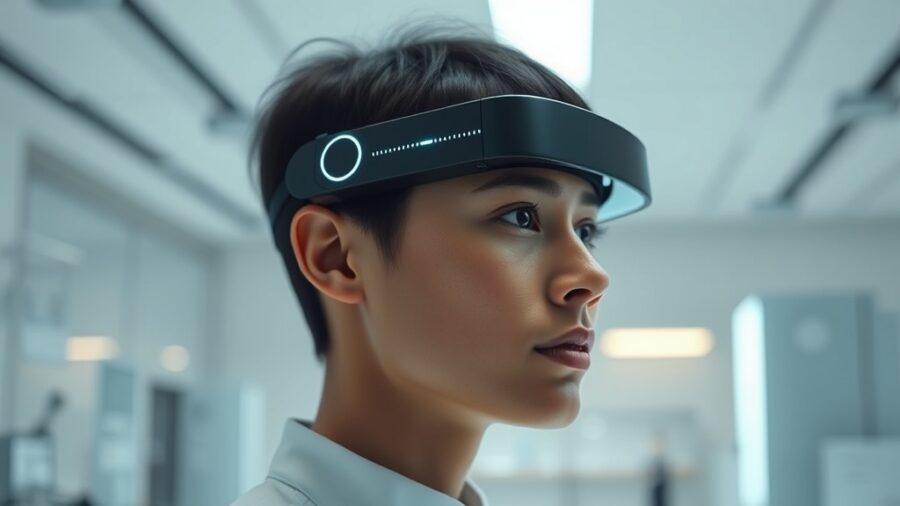
The field of brain-computer interfaces (BCIs) has made remarkable strides in recent years, transforming the way we perceive the connection between human cognition and technology. The brain computer interface progress is not just a buzzword; it signifies a revolutionary breakthrough in how we can communicate, control devices, and even enhance our cognitive capabilities. This article aims to delve into the intricate world of BCIs, providing insights into their history, the key technologies that drive their development, and the implications for various industries.
As we embark on this journey, we will explore the historical context that has shaped BCI technology, highlight the innovations that are pushing the boundaries of what is possible, and examine the applications in healthcare and entertainment. Moreover, we will address the challenges and ethical considerations that accompany these advancements, ensuring a comprehensive understanding of the topic.
Anúncios
By the end of this article, you will have gained a solid understanding of brain-computer interfaces, their evolution, current applications, and future prospects. Let us dive into the fascinating world of BCIs and uncover their potential to redefine human interaction with technology.
Introduction to Brain-Computer Interfaces
Defining Brain-Computer Interfaces
A brain-computer interface (BCI) is a direct communication pathway between the brain and an external device, typically a computer. This technology allows individuals to control devices using their thoughts alone, bypassing the traditional motor pathways. The concept relies on the measurement of brain activity, which can be translated into commands that the computer understands.
How BCIs Work
BCIs function through various methods of detecting brain signals, primarily through electroencephalography (EEG) or invasive electrodes implanted in the brain. EEG captures electrical activity at the scalp level, while implanted electrodes can provide more precise readings from specific neurons. These signals are processed using advanced algorithms that interpret the data, allowing users to perform tasks such as moving a cursor on a screen or controlling a robotic arm.
Historical Overview of Brain-Computer Interface Progress
The Early Beginnings
The journey of brain-computer interfaces dates back to the 1960s when researchers began experimenting with ways to connect the brain to machines. One of the pioneers in this field was neuroscientist Jacques Vidal, who introduced the concept of the BCI in 1973. His work laid the foundation for future research by demonstrating that brain signals could be used to control external devices.
Milestones in BCI Development
Several pivotal milestones mark the progress of BCIs over the decades. In the 1990s, scientists successfully developed the first BCI systems that allowed individuals with severe disabilities to control computer cursors. By 2004, the BrainGate project demonstrated the feasibility of controlling a robotic arm through thought alone in a paralyzed patient. These advancements have significantly contributed to the growth of BCIs, making them increasingly viable for real-world applications.
| Year | Milestone | Significance |
|---|---|---|
| 1973 | Introduction of BCI concept | Foundation for future research by Jacques Vidal |
| 1998 | First BCI system for cursor control | Enabled individuals with disabilities to interact with computers |
| 2004 | BrainGate project | Demonstrated thought control of robotic arms |
| 2013 | Advancements in non-invasive BCIs | Improved accessibility for users without surgical procedures |
Key Technologies Driving Brain-Computer Interface Development
Electroencephalography (EEG)
Electroencephalography (EEG) is a non-invasive method widely used in BCIs to measure electrical activity in the brain. It involves placing electrodes on the scalp to capture brain waves, which are then translated into control signals for devices. EEG is favored for its ease of use, portability, and safety, although it may have limitations in resolution compared to invasive methods.
Invasive Neural Interfaces
Invasive neural interfaces involve implanting electrodes directly into the brain tissue to achieve higher resolution and accuracy. Technologies such as neuroprosthetics and microelectrode arrays provide a more detailed understanding of neuronal activity. While these methods offer significant advantages, they also come with risks such as infection and long-term compatibility issues.
Applications of Brain-Computer Interfaces in Healthcare
Restoration of Motor Function
One of the most promising applications of BCIs lies in the restoration of motor function for individuals with paralysis or severe motor impairments. By interpreting brain signals, BCIs can enable users to control prosthetic limbs, allowing for more natural movement. Clinical trials have shown significant progress, with participants able to perform tasks like grasping and lifting objects through thought alone.
Communication Aids for Disabled Individuals
BCIs also play a crucial role in enhancing communication for individuals with locked-in syndrome or other debilitating conditions. Systems have been developed that allow users to spell out words or select items on a screen using their brain activity. For instance, the BrainGate2 system has enabled users to communicate effectively, improving their quality of life and social interaction.
- Prosthetic control and movement restoration
- Communication aids for individuals with severe disabilities
- Real-time monitoring of neurological conditions
Brain-Computer Interfaces in Gaming and Entertainment
Enhancing User Experience in Gaming
The gaming industry has begun to explore the potential of BCIs to create immersive experiences for players. Companies are developing games that utilize brain signals to enhance gameplay, allowing players to control in-game actions through thought. This innovative approach not only adds a new layer of interaction but also enables players with disabilities to engage in gaming.
Virtual Reality and Augmented Reality Integration
BCIs are also being integrated into virtual reality (VR) and augmented reality (AR) systems to provide a more engaging experience. By tracking brain activity, these systems can adapt to the user’s mental state, improving immersion and responsiveness. For example, a BCI could adjust the difficulty level of a game based on the player’s focus and engagement.
Challenges and Ethical Considerations
Technical Limitations and Reliability
Despite the advancements in BCI technology, there are still significant challenges to overcome. Technical limitations such as signal noise, resolution, and device reliability can hinder the effectiveness of BCIs. Researchers are continuously working on improving algorithms and hardware to enhance the accuracy and responsiveness of these systems.
Ethical Implications of BCI Use
The rise of BCIs raises important ethical questions regarding privacy, consent, and the potential for misuse. As these technologies become more integrated into daily life, concerns about data security and the possibility of unauthorized access to an individual’s thoughts emerge. It is crucial for developers and policymakers to establish guidelines that protect users and ensure ethical practices in BCI development.
Future Directions and Innovations
Advancements in Non-Invasive Technologies
The future of BCIs is likely to focus on enhancing non-invasive technologies that provide greater accessibility and ease of use. Innovations in materials science and signal processing are expected to yield more effective and comfortable devices. For example, new electrode materials may allow for better signal acquisition while minimizing discomfort for users.
Integration with Artificial Intelligence
Another promising direction is the integration of BCIs with artificial intelligence (AI). AI algorithms can analyze brain signals in real-time, providing a more intuitive and responsive experience. This synergy could pave the way for advanced applications in various fields, from personalized healthcare solutions to entertainment and communication.
Conclusion
The progress of brain-computer interfaces represents a transformative leap in human-technology interaction. From their historical roots to their current applications in healthcare and entertainment, BCIs have the potential to change lives significantly. As we navigate the challenges and ethical considerations, it is clear that the future holds immense promise for this exciting technology.
Continued research and innovation will be essential in overcoming technical limitations and ensuring responsible use. The advancements in non-invasive technologies and the integration with AI will likely shape the next generation of BCIs, making them more accessible and efficient. In conclusion, the brain computer interface progress we have witnessed so far is just the beginning of a new era in human interaction with technology.
FAQ about Brain Computer Interfaces
What are brain-computer interfaces used for?
Brain-computer interfaces are primarily used to restore motor function in individuals with disabilities, enhance communication for those unable to speak, and provide new ways to interact with technology, such as gaming and virtual reality applications.
Are BCIs safe to use?
While non-invasive BCIs are generally considered safe, invasive methods carry risks such as infection and long-term complications. Ongoing research aims to improve safety and effectiveness in both types of BCIs.
How do BCIs interpret brain signals?
BCIs interpret brain signals through various methods, including electroencephalography (EEG) for non-invasive systems and implanted electrodes for invasive systems. Algorithms process these signals to translate them into commands for devices.
What are the ethical concerns surrounding BCIs?
Ethical concerns include issues of privacy, consent, and the potential for misuse of technology. As BCIs become more integrated into society, it is vital to establish guidelines to protect users and ensure responsible development.
What does the future hold for brain-computer interfaces?
The future of BCIs is expected to involve advancements in non-invasive technologies, improved signal processing, and integration with artificial intelligence, leading to more intuitive and effective applications across various fields.
Recap of Key Points
- Brain-computer interfaces connect the brain to external devices.
- Historical milestones include the introduction of BCI concepts and significant clinical trials.
- Key technologies include EEG and invasive neural interfaces.
- Applications in healthcare focus on restoring motor function and enhancing communication.
- BCIs are making headway in gaming and entertainment by enhancing user experience.
- Challenges include technical limitations and ethical considerations.
- The future of BCIs lies in non-invasive advancements and AI integration.
- Continued research is essential for addressing safety and ethical concerns.