
Anúncios
In today’s fast-paced world, the environmental impact of our daily habits is a critical concern. One of the significant areas where individuals can make a substantial difference is in grocery shopping. Reducing food waste not only alleviates the burden on landfills but also conserves resources and minimizes greenhouse gas emissions. Every year, billions of tons of food are discarded globally, contributing to environmental degradation and exacerbating resource scarcity. The need to address grocery waste is not just about saving money; it’s about adopting a sustainable lifestyle that benefits both the planet and future generations.
Understanding the environmental implications of food waste starts at the consumer level, particularly in how we shop, store, and consume groceries. By exploring effective strategies to minimize waste during grocery shopping, individuals can play a pivotal role in fostering a more sustainable future. This article delves into comprehensive methods starting from the planning stages to post-purchase practices, ensuring readers are equipped with the knowledge to make eco-friendly choices every step of the way.
Anúncios
Understanding the Impact of Grocery Waste on the Environment
The environmental ramifications of grocery waste extend far beyond overflowing landfills. When food is wasted, it represents wasted resources such as water, energy, and labor that went into its production, transportation, and storage. Moreover, decomposing food in landfills emits methane, a potent greenhouse gas contributing to climate change. Thus, minimizing grocery waste is essential for environmental preservation.
Evaluating the journey of food from farm to table reveals its profound environmental impact. Agricultural practices, driven by consumer demand, account for a significant share of deforestation and water usage. Thus, when groceries are wasted, these efforts and the resultant environmental toll are for naught. Environmental statistics indicate that reducing food waste could significantly lower the carbon footprint associated with agriculture.
Moreover, certain food production processes contribute extensively to pollution. For instance, fertilizers and pesticides employed in large-scale agriculture lead to soil degradation and water pollution. Every grocery item that ends up discarded exacerbates these issues. Therefore, understanding the comprehensive impact of grocery waste reinforces the importance of conscious shopping behaviors.
Planning Your Grocery List to Avoid Overbuying
Planning is a vital step in reducing grocery waste. A well-thought-out grocery list helps in avoiding the temptation of impulsive purchases and ensures that only necessary items make it into the cart, thus minimizing the potential for waste. Start by assessing existing pantry, refrigerator, and freezer contents, listing needed items based on meal plans for the week.
An essential strategy in grocery planning is to set realistic goals for meals. Consider the number of people you’re cooking for, portion sizes, and dietary preferences to fine-tune your grocery list. A pragmatic approach is to outline potential meals and snacks for each day of the week, ensuring variety and a balanced diet. This method not only reduces waste but also enhances meal satisfaction.
Also, technology can be a great ally. Apps designed for meal planning and grocery inventory management are available, offering an efficient way of keeping track. These tools help remind consumers of existing perishables, suggest recipes, and even generate grocery lists. Utilizing these resources can significantly streamline the planning process and reduce the tendency to overbuy.
Choosing Reusable Bags and Containers for Shopping
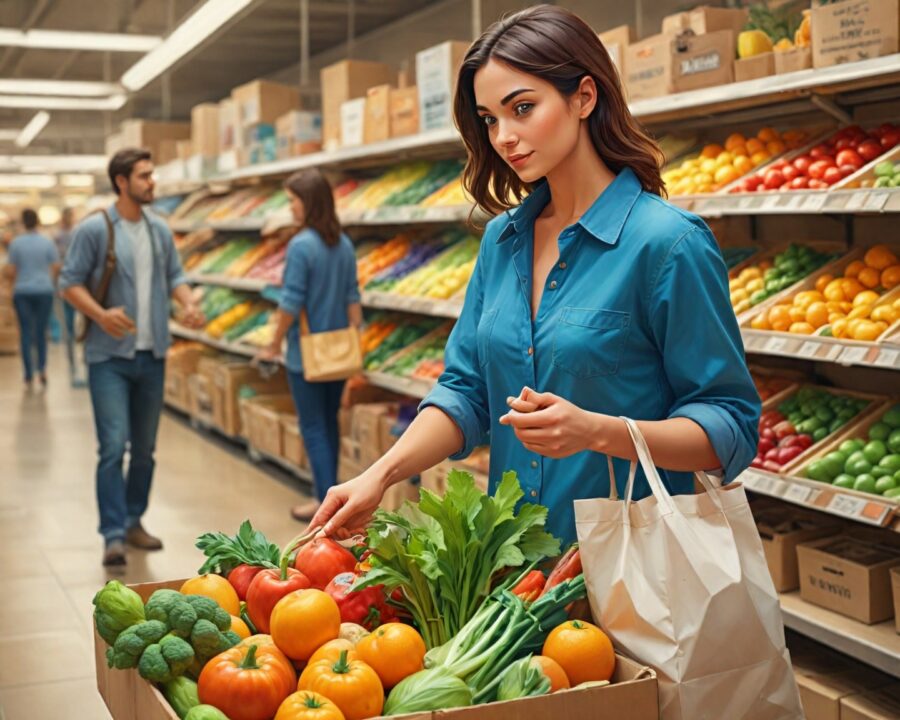
Integrating reusable bags and containers into your grocery shopping routine is a practical step towards reducing waste. On-the-go plastic bag consumption is not only environmentally detrimental but also entirely avoidable. By opting for sturdy, reusable bags, shoppers can significantly diminish their reliance on single-use plastics.
The advantages of reusable bags extend beyond environmental conservation. They are often more durable, accommodating heavier loads without the risk of breaking. This aspect not only ensures convenience but also offers a cost-effective solution in the long term, as these bags can be used continuously over many shopping trips.
Additionally, investing in reusable produce bags and containers can extend one’s commitment to reducing waste. These options are ideal for storing bulk items and fresh produce, preserving quality while reducing the reliance on single-use plastic packaging at the store. Making this transition not only benefits the planet but also contributes to organized shopping experiences and prolonged food freshness.
Buying in Bulk to Reduce Packaging Waste
Purchasing food in bulk is an effective method for reducing packaging waste and conserving resources. When products are acquired in larger quantities, the amount of packaging required per unit is significantly lowered. This approach applies to a broad range of items such as grains, nuts, legumes, and even cleaning supplies.
Bulk buying has secondary benefits. By minimizing packaging, production demands on resources such as paper, plastic, and aluminum decrease, ultimately reducing environmental strain. Moreover, the financial incentives often associated with bulk buying, such as discounts and promotions, make it an economically viable choice for many households.
However, buying in bulk requires an efficient storage strategy to prevent spoilage. Properly sealed containers and a cool, dry storage environment are paramount in maintaining the freshness and quality of bulk items. By integrating these practices, consumers can capitalize on the advantages of bulk purchasing while supporting waste reduction.
| Item | Bulk Benefit | Storage Tip | Shelf Life Extension |
|---|---|---|---|
| Grains (e.g., rice, quinoa) | Cost-effective | Airtight containers | Store in a cool, dry place |
| Nuts | Reduced packaging | Refrigerate to prevent oils turning rancid | Use within 3 months for best quality |
| Legumes (e.g., beans, lentils) | Easier meal planning | Mason jars or similar | Store in dry, airtight containers |
| Cleaning Supplies | Less frequent purchases needed | Refillable containers | Store as per guidelines |
Opting for Local and Seasonal Produce
Choosing local and seasonal produce is a crucial step in making grocery shopping more sustainable. Local produce requires less transportation, resulting in lower emissions and fresher, more nutrient-rich options for consumers. Moreover, supporting local farmers encourages biodiversity and healthier agricultural practices within the community.
The environmental benefits of consuming seasonally are significant. Seasonal crops require fewer synthetic inputs, like pesticides and fertilizers, because they align with natural growing cycles. This reduces groundwater contamination and promotes soil health, contributing to overall environmental sustainability.
Accessing local and seasonal produce can be facilitated through farmers’ markets and Community Supported Agriculture (CSA) programs. These platforms offer direct access to fresh produce harvested at peak ripeness, ensuring high quality and excellent taste. By aligning one’s grocery habits with the seasons, consumers not only support the environment but also experience diverse, flavorful diets.
How to Store Groceries to Extend Their Shelf Life
Proper storage of groceries is pivotal in reducing food spoilage and waste. Implementing suitable storage techniques can significantly extend the shelf life of perishable items, thereby maximizing consumption potential and minimizing discard rates. Efforts invested in storage pay huge dividends in terms of both reduced waste and food-quality preservation.
Begin by categorizing groceries based on their storage needs. Understanding which items require refrigeration, freezing, or ambient storage is critical. Vegetables like tomatoes and potatoes fare better outside the fridge, whereas greens last longer when cleaned, dried, and stored loosely in plastic containers. Establishing and maintaining these standards ensures each item retains its freshness.
A crucial practice in grocery storage is the “first in, first out” rule. Rearranging storage spaces such as pantries and refrigerators so older products are more accessible encourages their use before newer items. Additionally, regular inventory checks prevent spoilage, ensuring nothing is overlooked, thus maintaining an organized and efficient storage system.
Tips for Reducing Food Waste at Home
Reducing food waste at home is intertwined with daily consumption habits. It begins with adopting a mindful attitude towards portions and meal planning. By preparing only what is necessary and storing leftovers appropriately, households can cut down on waste significantly. Utilizing leftovers in creative recipes keeps meals interesting and reduces discard rates.
Another effective way to reduce domestic waste is through food preservation techniques. Freezing, pickling, and drying are just a few methods that can extend the life of various foods. For instance, fruits such as berries can be frozen at their peak and later incorporated into smoothies or desserts, providing nutritious options without the risk of spoilage.
Repurposing waste is another strategy gaining traction. Vegetable scraps can form the base for stocks; stale bread can be transformed into croutons or breadcrumbs. Adopting these mindful practices not only enhances culinary creativity but also ensures that personal contributions to food waste are minimized.
Understanding Food Labels to Avoid Unnecessary Waste
Deciphering food labels is an essential instruction for informed grocery consumption. Labels such as “best by,” “sell by,” and “use by” provide indications about peak quality and shelf life, yet are not necessarily indicative of safety. Misinterpretation of these dates often leads to unnecessary waste as consumers discard products prematurely.
Understanding the difference between a “sell by” date, which helps stores manage inventories, and a “use by” date, which indicates the end of a product’s optimal quality period, empowers consumers to make more informed decisions. Recognizing changes in product integrity such as texture, color, and smell can also guide usage beyond labeled dates.
Educational initiatives around label interpretation are crucial in tackling food waste. Knowledge empowers consumers to discern when foods are truly unfit for consumption, thus preventing untimely disposal. Understanding these nuances is an effective tool in extending the usability of groceries, further reducing environmental impact.
Composting as a Solution for Unavoidable Food Scraps
Composting offers a viable solution for dealing with unavoidable food waste. As a natural recycling process, composting turns organic waste into a valuable soil amendment, closing the loop in the food cycle. Implementing a compost system at home can significantly reduce the quantity of waste sent to landfills while contributing to soil health.
Starting a compost system is straightforward. It involves collecting organic materials like fruit and vegetable scraps, eggshells, coffee grounds, and yard waste into a compost bin or pile. Over time, these materials decompose into nutrient-rich compost, which can be used to fertilize gardens and potted plants.
Beyond environmental benefits, composting encourages home gardening and self-sustainability. By reducing reliance on chemical fertilizers, compost enhances soil quality and promotes a sustainable cycle of growth and consumption—a tangible way for households to actively contribute to waste reduction efforts.
Practical Steps to Make Grocery Shopping More Sustainable
Sustainable grocery shopping encompasses a variety of practices aimed at reducing environmental impact. Firstly, shoppers can prioritize environmentally conscious brands—those practicing sustainable production and packaging. Research and adapt buying habits to reflect these values to drive demand in green products.
Choosing whole foods over processed items contributes to sustainability. Less processing means less energy consumption and packaging waste, resulting in several environmental and health benefits. Additionally, consider the travel distance of goods; local goods not only support conservation efforts but often guarantee fresher produce.
Consciously monitoring the supply chain of favorite products reveals potential areas for consumer impact. Reducing dependencies on items sourced from environmentally intensive processes aids in lowering one’s footprint. Own these practices as regular habits, gradually reshaping the market landscape towards sustainable operations.
FAQ
How can I start planning my grocery list effectively?
Start by assessing the items you already have in your pantry and create a list based on meal plans for the week. Incorporate staple ingredients that can be used in multiple dishes.
What are the benefits of using reusable bags for grocery shopping?
Reusable bags reduce the need for single-use plastics, reducing environmental waste. They are also sturdier and cost-effective over time, as they can carry heavier loads and be reused regularly.
Why should I consider buying in bulk?
Buying in bulk reduces packaging waste and often saves money. It allows consumers to purchase only the quantity they need, minimizing excess and potential spoilage.
What constitutes local and seasonal produce?
Local produce is grown within your region, requiring less transportation and offering fresher options. Seasonal produce aligns with natural growing periods, reducing environmental strain from synthetic growing methods.
How does proper storage extend a grocery item’s shelf life?
By storing items according to their specific needs, such as refrigeration or dry storage, you maintain their quality and freshness longer. Following the “first in, first out” method ensures older items are used before they spoil.
Can understanding food labels help reduce waste?
Yes, understanding food labels helps distinguish between dates indicative of quality and safety. It allows consumers to use products while they are still good, preventing premature disposal.
Is composting difficult to start at home?
No, starting a compost system is simple. Collect organic scraps in a compost bin and allow them to decompose naturally. This process creates nutrient-rich compost to enrich your soil, reducing landfill waste.
What are simple steps towards sustainable grocery shopping?
Choose products with minimal packaging, prioritize local and seasonal goods, and support brands that practice sustainability. Every step reduces environmental impact and promotes eco-friendly market trends.
Recap
In this article, we explored multiple strategies to minimize grocery shopping waste effectively. Key areas included understanding the environmental impact of food waste, planning and shopping judiciously, prioritizing reusable materials, buying in bulk, and opting for local, seasonal produce. We also discussed proper storage methods, ways to reduce home food waste, the importance of comprehending food labels, and the benefits of composting. Finally, practical steps for more sustainable grocery shopping were highlighted.
Conclusion
Adopting more sustainable grocery shopping practices is an actionable step towards reducing food waste and its detrimental effects on the environment. By taking conscious efforts to understand and optimize each stage of food consumption—from purchase to disposal—consumers can significantly contribute to a healthier planet. It takes a collective commitment to drive meaningful change, and each small action adds up.
Moreover, the benefits extend beyond environmental preservation. Implementing these practices aids in financial savings, improves food quality consumption, and enhances lifestyle satisfaction. The journey towards sustainability may require adjustments, but the rewards are manifold and invaluable for future generations. Embrace these strategies and be part of the global movement towards a sustainable future.