
Anúncios
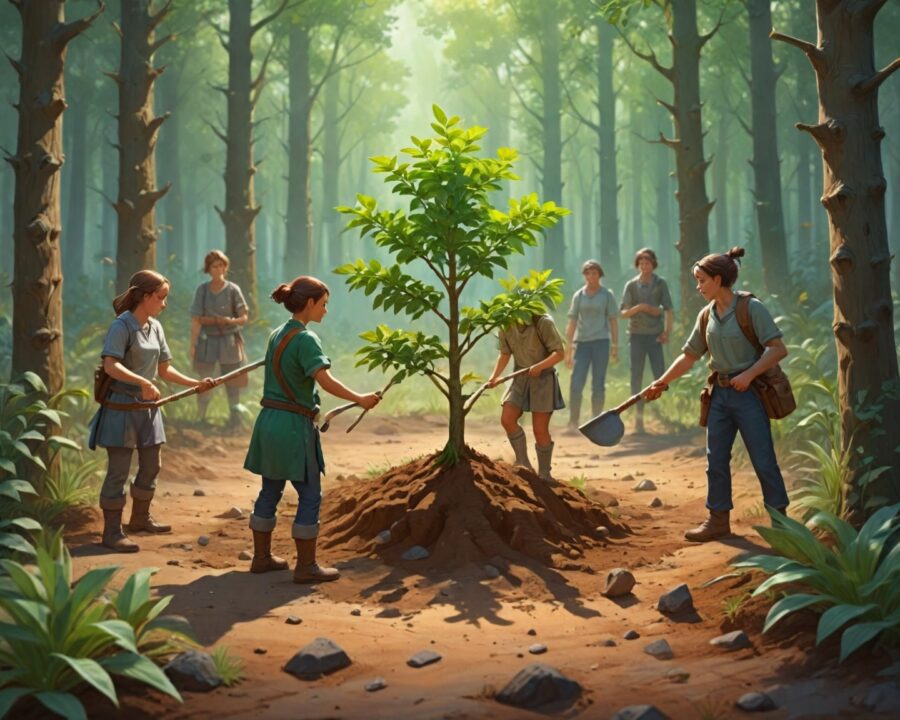
Reforestation projects hold the potential to significantly contribute to environmental healing and ecological sustainability. As global deforestation continues to threaten biodiversity and climate stability, initiating a reforestation project can be a meaningful way to participate in conservation efforts and restore delicate ecosystems. These projects not only help to reestablish native plant and animal habitats but also play a critical role in sequestering carbon, improving air and water quality, and enhancing the resilience of economies reliant on healthy forest ecosystems.
For anyone considering starting a reforestation project, it’s essential to approach the endeavor with a thorough understanding of its complexity and the dedication required for its success. This comprehensive guide outlines a step-by-step approach, from setting initial goals to scaling up successful efforts, providing valuable insights into each phase of the project. Whether you’re an individual, a community group, or an organization, this guide is designed to help you lay a solid foundation for your reforestation project and ensure its long-term sustainability.
Anúncios
Understanding the Importance of Reforestation
The significance of reforestation extends beyond mere forest restoration; it encompasses the broader objectives of environmental preservation, climate regulation, and biodiversity enhancement. Forest ecosystems are an integral component of the Earth’s ecological balance, playing a vital role in sequestering carbon dioxide and providing habitats for countless species. As deforestation accelerates, it is crucial to address these losses with reforestation efforts aimed at curbing climate change and restoring native wildlife habitats.
Reforestation projects contribute to carbon sequestration, which is essential for counteracting climate change. As trees grow, they absorb carbon dioxide from the atmosphere, storing carbon in their biomass and reducing greenhouse gases. This process is vital for mitigating the impacts of climate change, making reforestation a key strategy for environmental sustainability.
Beyond climate benefits, reforestation improves biodiversity, water cycles, and soil health. Healthy forests support a diverse array of plants and animals, enhancing ecosystem services such as pollination, pest control, and genetic diversity. Additionally, forests regulate water cycles by influencing rainfall patterns and protecting watersheds, while forested slopes reduce soil erosion and enhance water quality in nearby rivers and streams.
Setting Clear Goals for Your Reforestation Project
Establishing clear goals is fundamental to the success of any reforestation project. This involves defining the objectives and outcomes you wish to achieve, such as increasing forest cover, creating wildlife habitats, or improving local livelihoods. Each objective should be specific, measurable, achievable, relevant, and time-bound (SMART) to facilitate effective project planning and evaluation.
Begin by identifying the primary purpose of your reforestation project. Are you aiming to restore a degraded landscape, enhance biodiversity, or provide economic benefits to a local community? Clarifying the primary goal will guide your decision-making process and help prioritize resources and efforts accordingly. Defining secondary goals, such as community engagement and education, can further expand the project’s impact.
It’s also important to consider how these goals align with broader environmental and community objectives. Collaborating with stakeholders and experts can enhance goal-setting by incorporating a range of insights and ensuring that the project aligns with local needs and conservation targets. This collaboration can foster long-term support and ensure that the project contributes positively to local ecological and socio-economic contexts.
Choosing the Right Location and Tree Species
Selecting an appropriate location and tree species is a critical step in the success of a reforestation project. The choice of location should be guided by factors such as soil quality, climate conditions, and existing land use. Conducting a thorough site assessment is essential to understand these factors and to choose a location where reforestation efforts are likely to thrive.
When it comes to choosing tree species, it’s important to prioritize native vegetation. Native species are adapted to the local climate and soil conditions, which increases their chances of survival and underscores their importance in supporting local wildlife and ecosystems. Furthermore, they help maintain the genetic diversity of the area, which is crucial for ecological resilience.
A diverse mix of tree species can also be advantageous, as it increases ecological stability and resistance to pests and diseases. It’s worth consulting with local ecologists or forest management agencies to determine the best combination of species for your reforestation goals. Additionally, consider the growth rate, root structure, and canopy coverage of different trees to ensure they suit the project’s objectives and site conditions.
Securing Funding and Resources for Your Project
Finance and resources are vital components for the execution and sustainability of reforestation projects. Start by identifying potential funding sources, which may include governmental grants, private donations, corporate sponsorships, and crowdfunding platforms. Each source requires a tailored approach, emphasizing the project’s long-term environmental and social benefits to attract support.
Developing a detailed budget is also crucial; it should cover all aspects of the project, including site preparation, tree seedlings, labor, tools, and ongoing maintenance and monitoring. Being transparent about expected costs and potential returns—both ecological and social—can convince potential funders of the project’s viability and sustainability.
Securing in-kind resources, such as volunteer labor, donated materials, or expertise, can significantly stretch your budget. Building partnerships with local businesses, non-profits, and governmental agencies not only provides essential resources but also fosters a network of support. This collaboration can enhance the credibility and outreach of your project, increasing its chances of long-term success.
Engaging Local Communities and Stakeholders
For a reforestation project to succeed, it is vital to actively engage local communities and stakeholders. Their involvement not only enhances project implementation through local knowledge and resources but also ensures the long-term sustainability of the efforts. Local communities can offer insights into historical land use, potential challenges, and effective planting techniques adapted to the area’s conditions.
Begin the process of community engagement by organizing informational meetings and workshops to introduce the project and its benefits. These sessions should encourage active participation, listening to community concerns, and incorporating their feedback into the planning process. Transparency and open communication are key to building trust and fostering collaboration.
It’s also essential to identify and involve key stakeholders, such as local government agencies, NGOs, and landowners. Forming partnerships with these entities ensures that your project aligns with regional conservation goals and secures long-term support. In addition, involving local schools and groups can enhance educational opportunities and foster a sense of stewardship among future generations.
Planning and Preparing the Land for Planting
Effective planning and land preparation are foundational for successful reforestation. This process involves evaluating the land to understand its topography, soil characteristics, and existing vegetation. Such an assessment informs decisions about land clearing, soil enrichment, and the timing of planting activities to optimize tree growth.
Begin by developing a comprehensive land preparation plan that takes these factors into account. This may involve the removal of invasive species, soil conditioning, and the installment of necessary infrastructure, such as fencing to protect seedlings from grazing animals. Each step should aim to restore the land’s natural conditions to support healthy forest ecosystems.
Additionally, timing is crucial. Planting during optimal weather conditions—typically the onset of the rainy season—ensures that young trees receive adequate water, enhancing their chance of survival. Create a timeline that sequences these activities logically, allowing time for community involvement and adjustments as needed.
Implementing Sustainable Planting Techniques
Utilizing sustainable planting techniques helps ensure the long-term health and viability of the reforested area. These techniques should aim to mimic natural forest regrowth as closely as possible, focusing on preserving soil integrity, maximizing biodiversity, and ensuring efficient resource use.
One effective technique is agroforestry, which involves integrating trees with agricultural fields to improve biodiversity and yield ecological benefits, such as enhanced soil fertility and reduced erosion. This approach not only aids reforestation but also provides immediate returns for local communities, encouraging their support and participation.
Sustainable practices also emphasize the spacing and diversity of planted trees. Proper spacing prevents competition for resources, while diversity in planting ensures resilience against pests and environmental changes. Maintaining mixed-aged stands and integrating shrubs and understory plants further enhances habitat complexity and ecological balance.
Monitoring and Maintaining the Reforested Area
Monitoring and maintenance are ongoing activities that are crucial for the success and sustainability of reforestation projects. Regular monitoring helps assess plant survival rates, evaluate ecological changes, and identify potential issues such as pest infestations or disease outbreaks. This information guides adaptive management, allowing for timely interventions as needed.
A key to effective monitoring is setting up a robust system for data collection and analysis. This can involve remote sensing technology, GIS mapping, and on-the-ground surveys conducted by trained personnel or volunteers. Consider creating a schedule for these activities to ensure consistent and accurate data over time.
Maintenance activities, such as watering during dry spells, pruning, and replacing dead or diseased plants, are also essential for nurturing healthy forests. Establish protocols for these activities and build capacity among local workers and volunteers to ensure that they are carried out efficiently and sustainably.
Overcoming Common Challenges in Reforestation Projects
Reforestation projects face numerous challenges, from environmental factors to socio-economic issues. Understanding these challenges and developing strategies to overcome them is essential for project success. Some common challenges include unfavorable weather conditions, invasive species, and limited financial resources.
To tackle environmental challenges, flexibility and adaptability in project planning are crucial. This might involve implementing contingency plans for extreme weather events or adjusting planting techniques to accommodate unforeseen changes in site conditions. For invasive species, regular monitoring and targeted removal strategies are vital to protect young plants.
Securing sustainable financial resources can be addressed by diversifying funding sources and engaging in partnerships with like-minded organizations. Building a strong value proposition around the project’s ecological and social benefits can attract diverse funders and ensure a stable funding pipeline.
Scaling and Replicating Successful Reforestation Efforts
Once your reforestation project has demonstrated success, considering scale-up and replication can amplify its positive impact. Scaling involves expanding project activities within the same region, while replication means adopting the successful model in new areas. Both approaches help broaden the ecological and community benefits of reforestation.
Begin with a thorough evaluation of the project’s successes and challenges, extracting lessons that can inform future endeavors. Identifying best practices and creating detailed, accessible documentation is critical for effective scale and replication. This documentation should include insights into planting techniques, community engagement strategies, and resource management.
Collaborative networks play a significant role in scaling and replication. Engaging with networks of reforestation practitioners can inspire innovation, provide peer support, and facilitate knowledge exchange. Additionally, advocating for supportive policies and incentives from local authorities can create a conducive environment for expanding reforestation activities.
FAQ Section
How do I start a reforestation project?
Start by researching the environmental and community needs where you wish to implement the project. Define clear goals, secure a suitable location, and gather necessary resources. Collaborate with local communities and experts to plan and execute your project strategically.
What are the benefits of reforestation?
Reforestation provides multiple ecological, economic, and social benefits, including carbon sequestration, improved biodiversity, soil and water conservation, and enhanced community livelihoods. It also contributes to climate change mitigation and ecosystem resilience.
How do I choose the right trees for a reforestation project?
Opt for native species that are adapted to the local ecosystem. Consult with ecologists or forest professionals to select a diverse mix of trees that offer ecological benefits and ensure forest health and resilience.
What challenges might I face with a reforestation project?
Challenges can include harsh environmental conditions, invasive species, funding shortages, and community opposition. Each requires a proactive strategy, such as adaptive management, sustainable financing, and engaging local stakeholders for support.
How can I secure funding for my reforestation project?
Explore multiple funding avenues such as grants, donations, and partnerships with environmental organizations or corporations. Demonstrate the project’s benefits, both ecological and social, to attract potential funders.
What should be a focus in the maintenance phase of a reforestation project?
Regularly monitor plant health, manage pests, and replace lost or diseased trees. Maintenance activities should aim to support young plant growth and ensure the ecological health of the reforested area.
Is community involvement necessary in reforestation projects?
Yes, community involvement is crucial. It ensures local support, enhances project sustainability, and aligns the project with local needs. Engaging communities fosters stewardship and cultural connections to the forest.
Can reforestation help combat climate change?
Absolutely. Reforestation acts as a natural solution to climate change by sequestering carbon dioxide, stabilizing local climates, and enhancing biodiversity and ecosystems, all of which contribute to global climate stability.
Recap
Reforestation projects are instrumental in restoring ecological balance and are effective strategies for mitigating climate change. They require a structured approach, starting with goal setting and selecting appropriate locations and tree species. Funding and community engagement are crucial components for long-term success, while careful planning and sustainable techniques enhance their viability. Monitoring and maintenance help sustain the project’s outcomes, and overcoming challenges can foster resilience. Lastly, successful projects can be scaled and replicated to expand their impact across regions.
Conclusion
Initiating a reforestation project is a commitment to repairing the planet and investing in the future well-being of ecosystems and communities. The tangible and intangible benefits that stem from these efforts make the journey worthwhile, as each project contributes to a larger environmental cause. By understanding and addressing the complexities involved, individuals and organizations can create impactful and enduring reforestation efforts.
As stewards of the environment, we have a crucial role to play in reversing deforestation and fostering lush, sustainable landscapes. With persistent effort, collaboration, and innovation, we can restore degraded ecosystems and ensure the health of our planet for generations to come. Reforestation projects stand as a testament to these efforts, highlighting the potential within each of us to incite positive change.
Ultimately, the success of a reforestation project isn’t measured solely by the number of trees planted, but by the continued vitality and interconnectedness of the ecosystems nurtured. By employing diligent strategies and fostering community participation, the roots of such projects grow deep, offering shade, sustenance, and hope for the planet we all share.