
Anúncios
Introduction to Urban Mobility Challenges
Urban mobility is one of the defining issues of modern city planning. As the global population continues to urbanize at a rapid pace, cities face increasing pressure to enhance their transit infrastructure. This demand is driven not only by a desire to improve the quality of life for residents but also by the need to reduce the environmental impact of traditional modes of transportation. Roads filled with vehicles lead to congestion, pollution, and lost productivity, fueling the quest for innovative transportation solutions.
For decades, cities have experimented with various forms of public transit, each aiming to strike a balance between efficiency, cost, and accessibility. In light of the increasing demand and technological advancements, two futuristic solutions have gained significant attention: flying cars and underground transit systems. Both options promise revolutionary changes to urban mobility, yet they come with their own sets of challenges and opportunities. As cities look to the future, the question remains: which of these transportation modes will dominate urban mobility?
Anúncios
Overview of Flying Cars and Their Potential
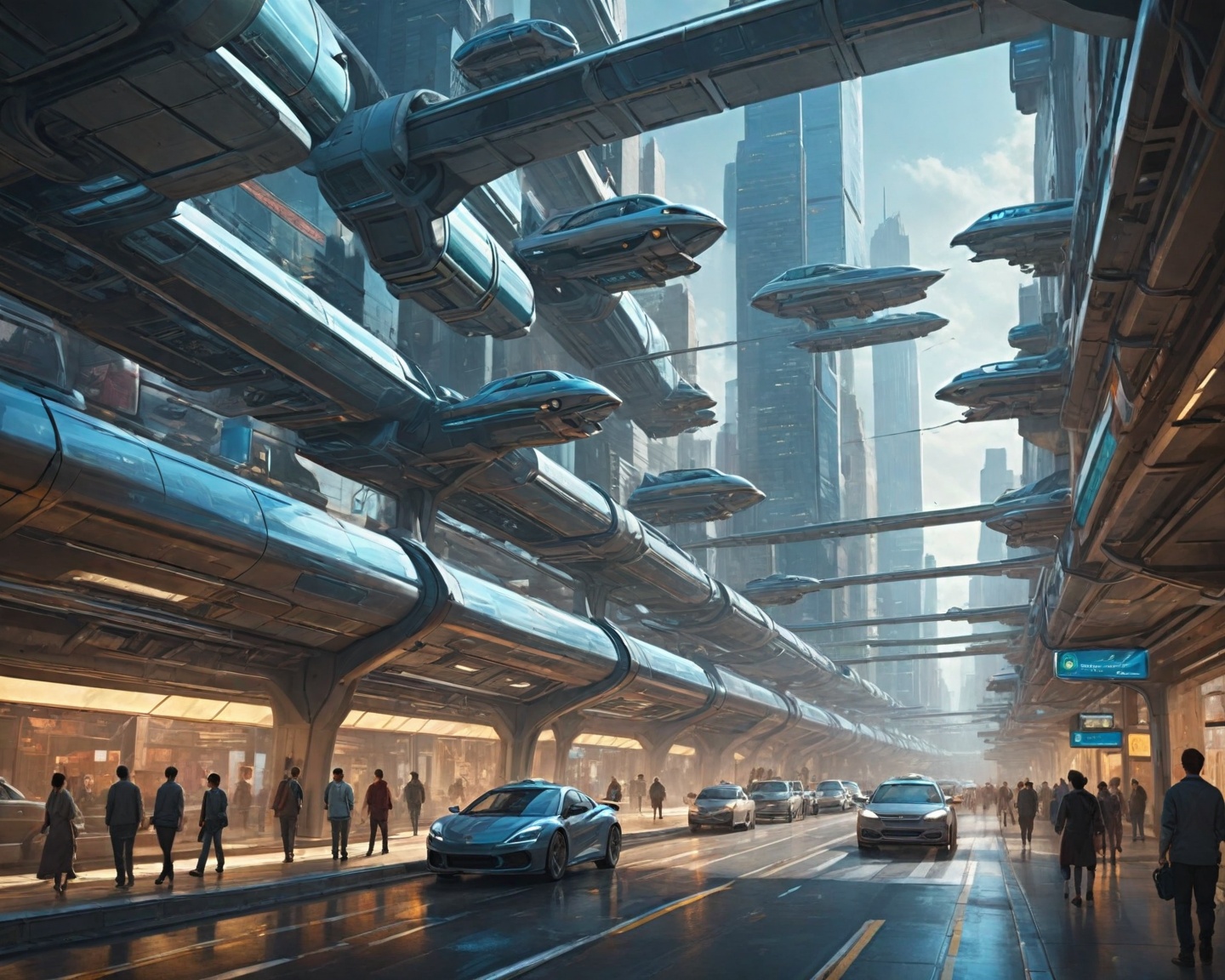
Flying cars have long been the stuff of science fiction, but recent technological advancements suggest they may soon become a reality. These vehicles, also known as personal aerial vehicles (PAVs), are designed to combine the convenience of road vehicles with the agility and speed of aircraft. Drawing on innovations in electric propulsion, lightweight materials, and autonomous driving technology, companies are inching closer to making flying cars a practical mode of transportation.
The concept of flying cars includes a range of designs, from single-passenger drones to multifunctional hybrid vehicles capable of operating on roads and in the air. Key players in the automotive and aerospace industries, such as Uber Elevate, Terrafugia, and Airbus, are investing heavily in the development of flying cars, signaling a potential transformation in urban transportation landscapes. The promise of flying cars lies in their ability to bypass road congestion, offering rapid point-to-point travel that could drastically reduce commute times.
The potential applications of flying cars are vast. Urban air mobility could revolutionize emergency services, offering quicker response times for medical transport and disaster relief. Moreover, flying cars hold the potential to drastically reduce the spatial footprint of transportation infrastructure, freeing up valuable surface space for other urban needs, such as green parks and residential developments. However, realizing this potential requires overcoming significant technical, regulatory, and infrastructural obstacles.
Advantages and Disadvantages of Flying Cars
The allure of flying cars lies in their numerous advantages, starting with their ability to reduce traffic congestion. By taking to the skies, flying cars can ease the burden on existing roadways, reducing travel times and potentially decreasing the frequency of accidents caused by congested traffic conditions. Furthermore, the vertical takeoff and landing (VTOL) capabilities of many flying car designs eliminate the need for extensive runways, allowing flights even within urban settings.
Environmental benefits are also an attractive advantage, as many flying car developers focus on electric-powered models, promising a reduction in carbon emissions compared to traditional gasoline-powered vehicles. Additionally, the flexible nature of flying cars could enhance personal mobility, particularly in sprawling urban areas where public transit options are limited.
However, the introduction of flying cars comes with significant drawbacks. High development and purchasing costs could limit accessibility, making them a luxury for the affluent rather than a widespread solution for urban masses. Safety concerns, both in terms of air traffic control and vehicle reliability, present another substantial hurdle. Noise pollution is also a notable disadvantage, as the noise generated by multiple flying cars could disrupt urban environments unless effectively mitigated.
Exploring Underground Transit Systems
Underground transit systems refer to subway systems, metro trains, or newly conceptualized high-speed tunnel networks that transport people across urban areas. These have long been a staple of urban mobility in major metropolitan areas worldwide, providing a reliable means of commuting that navigates around surface congestion. Modern innovations, such as Elon Musk’s Boring Company, propose advanced underground tunnel systems that promise ultra-fast travel.
Subways and metros are celebrated for their efficiency and capacity, moving large numbers of passengers quickly and with relatively low environmental impact. Innovations like autonomous trains and smart management systems have further enhanced the speed, safety, and efficiency of underground transit systems. The prospect of high-speed underground travel, such as the proposed Hyperloop, offers potential for further advancements in subterranean mobility.
However, the development of underground transit systems necessitates significant upfront investments. The construction process involves complex engineering challenges, including tunneling through dense urban landscapes, dealing with groundwater management, and minimizing disruptions to existing infrastructure. Nonetheless, for many cities, the benefits of expanded underground transit systems outweigh the costs, providing critical solutions to longstanding mobility issues.
Benefits and Limitations of Underground Transit
One of the primary benefits of underground transit is its ability to alleviate surface congestion without requiring substantial expansion of road networks. By transporting a large number of passengers quickly, subways and metro systems play a crucial role in reducing vehicle traffic and associated pollution in urban centers. Additionally, the energy-efficient nature of electric train systems contributes to reduced carbon footprints, supporting cities’ sustainability objectives.
Underground systems offer predictable scheduling and minimal weather disruption, providing reliable transit regardless of rain, snow, or other adverse conditions. The development of express routes can further speed up travel times, enabling commuters to reach their destinations even more efficiently. Moreover, underground transit systems provide equitable access to transportation, often serving a broader socioeconomic range than other modes of transit.
However, underground transit is not without limitations. The construction and maintenance of tunnels can be prohibitively expensive and time-consuming, limiting rapid expansion in new or smaller cities. The initial infrastructure investment necessitates substantial financial resources, often requiring public funding or partnerships. Moreover, older systems can be prone to crowding, aging infrastructure issues, and delays, requiring continuous upgrades and investments to maintain effectiveness.
Comparing Costs: Flying Cars vs Underground Transit
When analyzing urban mobility solutions, cost is a key factor that influences decision-making for city planners and transit authorities. Flying cars and underground transit represent fundamentally different financial models, each with unique cost structures that affect their feasibility.
| Transportation Mode | Upfront Costs | Operational Costs |
|---|---|---|
| Flying Cars | High development costs, vehicle manufacturing | Maintenance, air traffic management, energy requirements |
| Underground Transit | High tunnel construction, technology implementation | Infrastructure upkeep, staff salaries, energy consumption |
Flying cars, though exciting and futuristic, involve steep development and production costs. Each vehicle requires cutting-edge technology and materials, contributing to high retail prices that could limit their accessibility. Operational costs also include vehicle maintenance, emerging air traffic control systems, and charging infrastructure for electric models.
Conversely, underground transit systems demand massive initial investment in the form of tunnel construction and technology implementation. While these initial costs can be substantial, economies of scale and lengthy service life can mitigate operational expenses over time. Staff salaries, energy consumption, and general upkeep remain consistent operational costs for underground systems.
Overall, cities must weigh the immediate financial burden against long-term benefits when considering these two innovative transportation models. Balancing investment, ongoing costs, and potential revenue streams is essential for determining the most suitable mobility solution.
Environmental Impact of Both Transportation Modes
Evaluating the environmental impact of flying cars and underground transit systems is essential for understanding their long-term sustainability. With climate change concerns at the forefront of urban planning, cities are eager to adopt eco-friendly transportation alternatives that reduce their carbon footprint.
Flying cars have the potential to contribute positively to environmental goals, particularly if they operate on electric propulsion systems. Electric flying cars aim to produce lower emissions than their traditional gasoline counterparts, making them appealing from a sustainability perspective. However, the increased energy demand from charging flying cars, as well as the environmental impact of their production, must be considered.
Underground transit systems typically boast strong environmental credentials. Electric-powered trains produce relatively low emissions compared to road vehicles, and their ability to transport large numbers of passengers greatly reduces the number of individual car journeys. Energy efficiency improvements and investments in renewable energy sources further enhance their sustainability.
Ultimately, both transport modes require careful evaluation of lifecycle emissions and urban integration to fully understand their environmental impact. Cooperation with energy providers to prioritize clean, renewable sources will be integral to their success in reducing cities’ environmental costs.
Public Perception and Adoption Challenges
Public perception and acceptance play a critical role in the adoption of innovative mobility solutions. As both flying cars and underground transit systems propose revolutionary changes to the way people commute, understanding public attitudes and addressing concerns is fundamental to their widespread adoption.
Flying cars, due to their association with futuristic concepts, may initially be met with excitement, but practical concerns could temper this enthusiasm. Potential buyers need assurances regarding safety, reliability, affordability, and regulatory frameworks guiding airspace management. Roadmap to public acceptance involves extensive testing, clear communication, and earned trust in safety assurances.
For underground transit, public perception is generally positive, given its proven reliability and existing familiarity in major cities. However, crowding and delays in older systems can draw complaints, emphasizing the need for ongoing improvements and capacity expansions. Effective community engagement during construction can mitigate disruptions and foster support for new projects.
Gaining public support for new transportation technologies requires a commitment to transparency, consistent education efforts, and demonstrating tangible benefits. As these transit modes evolve, addressing concerns thoughtfully is key to ensuring successful integration into cities’ mobility networks.
Technological Advancements Shaping Urban Mobility
Technological innovations are at the forefront of transforming urban mobility, from the development of autonomous systems to advances in materials science and artificial intelligence. As flying cars and underground transit systems inch closer to widespread use, integrating cutting-edge technology is critical to their success.
Autonomous technology is pivotal for both forms of transportation. Self-driving flying cars promise to simplify navigation and enhance safety by minimizing human error. Similarly, autonomous trains can improve scheduling precision and efficiency, reducing the likelihood of human-induced delays.
Advancements in materials science, such as lightweight composites, enhance flying cars’ performance and fuel efficiency while reducing environmental impact. Meanwhile, underground systems benefit from tunnel-boring technology, which accelerates construction and lowers costs.
Artificial intelligence and big data analytics further enhance urban mobility by optimizing routes, reducing travel times, and improving network efficiency. These technological advancements have the potential to revolutionize how transit systems operate, supporting cities in their quest for smarter, more adaptive transportation solutions.
Future Predictions: Which Will Dominate Urban Transit?
As cities continue to grapple with the challenges of growing populations and increased mobility demands, the race to determine which transportation mode will dominate urban transit remains closely contested. The competition between flying cars and underground transit involves weighing their feasibility, benefits, and limitations to predict future trends.
Flying cars are likely to carve a niche within personal and emergency transportation sectors, especially appealing to high-income individuals and swift-response scenarios. However, mass adoption faces hurdles due to cost, regulation, and infrastructure demands. The allure of rapid, individualized point-to-point travel is tempered by real-world complexities that must be resolved over time.
Alternatively, underground transit systems offer well-established advantages, particularly in densely populated urban areas. Their ability to efficiently transport large numbers of people with minimal environmental impact aligns with cities’ goals for sustainable growth. Despite high initial costs and logistical challenges of expansion, their proven track record predisposes them to continued dominance in traditional urban mobility.
Ultimately, the future of urban transit may not see one mode completely overtaking the other. Instead, both flying cars and underground systems may coexist, each serving different needs within an integrated, multi-modal transportation network. The winning formula will hinge on their ability to adapt to urban demands, maintain economic viability, and achieve seamless interoperability.
FAQ
What are the main advantages of flying cars?
Flying cars offer reduced travel times by bypassing surface congestion, flexibility for personalized routes, and potential environmental benefits from electric models. However, cost and regulatory challenges must be considered.
What challenges face the implementation of underground transit systems?
The primary challenges include high construction costs, complex engineering requirements, and potential disruption during building phases. The investment is substantial, but the long-term mobility benefits can justify these initial hurdles.
How does the environmental impact of flying cars compare to traditional cars?
Flying cars, particularly if electric, can lower emissions compared to traditional gasoline vehicles. However, factors such as production emissions and increased energy demand for charging must be evaluated.
Can underground transit systems reduce urban congestion?
Yes, underground transit systems effectively reduce congestion by transporting large numbers of people efficiently. They minimize the reliance on surface road networks and decrease the number of individual car trips.
What technological advancements are crucial for the success of flying cars?
Key advancements include autonomous navigation systems, lightweight materials for efficiency, and hybrid or electric propulsion technology. These innovations are vital for safety, performance, and environmental impact.
Are flying cars expected to be affordable for average consumers?
Currently, flying cars face high development and production costs, limiting affordability. As technology progresses and scalability improves, prices may decrease over time, expanding consumer access.
Why are underground transit systems often favored in major cities?
They are favored due to their high capacity, reliability, and reduced environmental impact compared to individual car travel. Despite initial investment costs, their long service life and operational efficiency make them ideal for urban settings.
How can cities encourage public adoption of new transportation technologies?
Effective strategies include public education, transparent communication regarding safety and regulations, demonstration projects, and providing clear explanations of the benefits and improvements in quality of life.
Recap
In this examination of future urban mobility, we’ve explored the potential of flying cars and underground transit systems as solutions to modern transportation challenges. Flying cars offer swift, flexible travel but face economic and regulatory constraints. Conversely, underground systems boast efficiency and capacity but require significant upfront investment. Both solutions have distinct environmental impacts and public perception challenges, with technology continuing to drive their evolution. As cities aim for integrated transit networks, flying cars and underground transit could play complementary roles in addressing diverse urban needs.
Conclusion
The competition between flying cars and underground transit systems in the race for urban mobility dominance highlights the diverse approaches to solving contemporary transportation issues. Each mode offers unique advantages and faces its own set of challenges. While flying cars promise jaw-dropping convenience and futuristic appeal, underground transit systems provide proven reliability and capacity.
As cities continue to evolve, embracing an approach that accommodates both of these innovative transit modes may offer the best path forward. By integrating the strengths of each system into a cohesive urban transit network, communities can effectively address growth demands, environmental concerns, and public needs, forging a future of interconnected, sustainable mobility.