
Anúncios
Introduction to Robot Caregivers and Their Role in Elderly Support
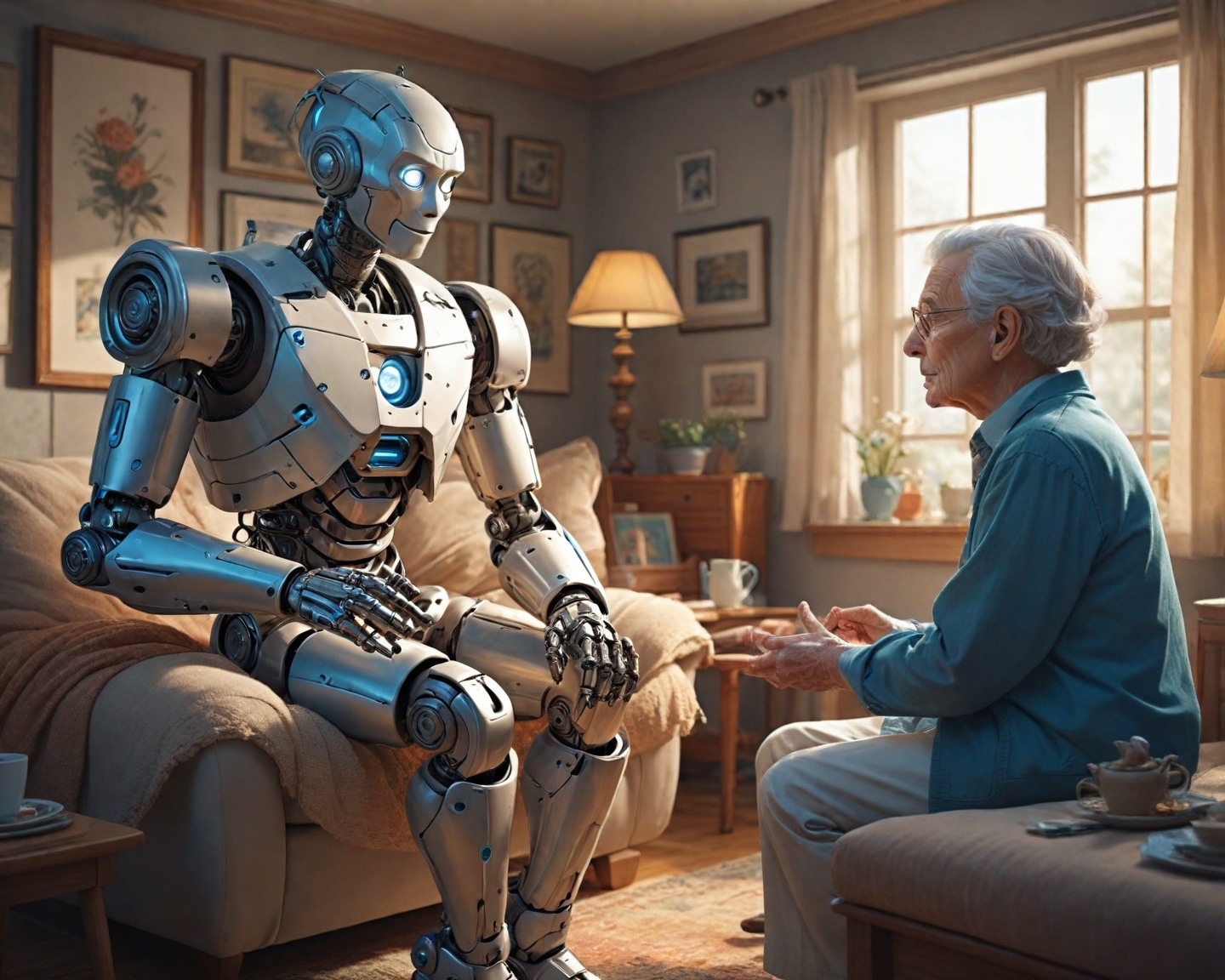
In recent years, robot caregivers have emerged as a groundbreaking innovation in the field of elderly care. These technologically advanced companions are designed to assist in the daily lives of seniors, providing both physical support and social engagement. As the global population ages, the demand for effective and sustainable solutions to support the well-being of older adults has become increasingly urgent. Robot caregivers are positioned to play a critical role in this evolving landscape of elderly support, offering a new paradigm in caregiving that promises to enhance quality of life for seniors.
The integration of robotics and artificial intelligence into healthcare is no longer a futuristic concept but a present-day reality. These high-tech helpers are capable of performing a variety of tasks ranging from medication reminders and monitoring vital signs to providing companionship and assisting with mobility. As societies grapple with the challenges of aging populations and a shortage of caregivers, robot caregivers offer a viable solution to bridge the gap. This article delves into the potential of robot caregivers, examining their current applications, benefits, challenges, and future prospects in transforming elderly support.
Anúncios
The Current State of Elderly Care and Its Challenges
The elderly care sector is currently facing several significant challenges that threaten its ability to provide adequate support to aging populations. One of the most pressing issues is the global caregiver shortage. As life expectancy increases and birth rates decline, the number of individuals requiring care is outpacing the availability of caregivers. This shortage is further exacerbated by the demanding and often undervalued nature of caregiving work, leading to high turnover rates in the profession.
Another critical challenge is the rising cost of healthcare. Elderly individuals often require long-term care, which can be financially burdensome for families and healthcare systems alike. The costs associated with traditional in-home care or nursing home stays can be prohibitively expensive, leaving many families struggling to afford necessary care. This financial strain underscores the need for innovative solutions that can deliver quality care in a cost-effective manner.
Moreover, the current state of elderly care is often hampered by issues related to quality and accessibility. Caregivers are frequently overworked and undertrained, resulting in a decline in the quality of care provided. In rural or underserved areas, access to professional care services can be limited or nonexistent. These shortcomings highlight the urgent need for strategies and technologies that can address these gaps and ensure that all seniors receive the support they need to age with dignity.
How AI and Robotics Are Revolutionizing Caregiving
Artificial intelligence (AI) and robotics are at the forefront of a revolution in the caregiving sector. These technologies are transforming the way care is delivered by automating tasks, enhancing monitoring capabilities, and personalizing care experiences. AI-powered robots can process vast amounts of data, enabling them to learn and adapt to the needs of individual users, leading to more tailored and responsive care.
One of the most significant advancements is in assistive robotics, where robots are designed to aid with daily activities such as mobility, feeding, and bathing. These robots can reduce the physical workload on human caregivers, allowing them to focus on more complex or interpersonal aspects of care. Additionally, AI-driven monitoring systems can track health metrics such as heart rate, movement patterns, and medication adherence, providing real-time alerts to caregivers and healthcare providers if anomalies are detected.
The integration of AI with robotics also opens new possibilities for social interaction and mental health support. Robots equipped with conversational AI can engage seniors in dialogue, games, and memory exercises, helping to combat loneliness and cognitive decline. This blend of physical and emotional support showcases the transformative potential of robotics in caregiving, offering a comprehensive approach to meeting the multifaceted needs of seniors.
Benefits of Robot Caregivers for Seniors and Families
The advantages of robot caregivers extend beyond mere novelty, offering tangible benefits to both seniors and their families. One of the primary benefits is the provision of 24/7 care. Unlike human caregivers who require breaks and rest, robots can offer continuous surveillance and assistance, ensuring that seniors are never left unattended. This round-the-clock care can provide families with peace of mind, knowing that their loved ones are always supported.
Another benefit is the personalization of care. Robot caregivers can be programmed to accommodate the unique preferences and needs of individual seniors, from meal plans to activity schedules. This level of customization can lead to higher satisfaction rates among seniors, as their routines and environment can be tailored to enhance their comfort and independence.
Cost-effectiveness is also a significant advantage. While the initial investment in robotic technology may be substantial, the long-term savings can be considerable. Robots can reduce the need for frequent in-home visits by human caregivers and minimize hospital admissions due to constant health monitoring and early intervention. This reduction in costs can alleviate financial pressure on families and healthcare systems, making quality care more accessible and sustainable.
Addressing Concerns: Ethical and Emotional Aspects of Robotic Care
Despite their potential, robot caregivers are not without controversy. Ethical concerns frequently arise regarding the implications of replacing human touch with machines in caregiving roles. Critics argue that relying on robots for elderly care could lead to depersonalization and a lack of human empathy in care interactions. To address these concerns, developers are striving to design robots that complement rather than replace human caregivers, ensuring that technology enhances rather than diminishes personal connections.
Emotional aspects are another area of concern. While robots can provide companionship, they lack the emotional depth and understanding of human interactions. This limitation raises questions about the potential for emotional neglect and isolation if robots are overly relied upon. However, by using robots to handle routine tasks, human caregivers and family members can devote more time to nurturing emotional bonds with seniors, creating a balanced approach to caregiving.
Privacy issues also play a critical role in the ethical debate surrounding robot caregivers. The data collected by these devices, including health information and daily activities, must be handled with the utmost care to protect individuals’ privacy and autonomy. Robust data protection measures and transparent policies are essential to ensure that the integration of robots into elderly care is conducted ethically and responsibly.
Examples of Robot Caregivers Currently in Use
Robot caregivers are already in use across various settings around the world, showcasing a range of capabilities and applications. One notable example is the robot companion known as Paro, designed to resemble a baby seal. Paro has been used in therapeutic settings to provide comfort and stimulate social interaction, particularly for individuals with dementia. Its soft, lifelike movements and responses to touch and sound make it a popular tool for emotional support.
Another example is the humanoid robot, Pepper, developed by SoftBank Robotics. Pepper is equipped with advanced sensors and AI capabilities that allow it to recognize emotions and carry out interactive conversations. It is used in nursing homes and hospitals to assist with tasks such as greeting visitors, providing information, and engaging residents in social activities.
The Care-O-bot, developed by the Fraunhofer Institute, is a multifunctional service robot designed to assist with household tasks. It can navigate living spaces autonomously, fetch objects, and even manipulate objects with precision. By fulfilling practical needs, the Care-O-bot alleviates the workload on human caregivers and helps seniors maintain independence in their homes.
| Robot Name | Capabilities | Use Case |
|---|---|---|
| Paro | Emotional support, interaction with dementia patients | Therapeutic, nursing homes |
| Pepper | Emotion recognition, interactive communication | Social engagement, hospitals |
| Care-O-bot | Household assistance, object manipulation | Home care, support for independence |
Future Trends in Robotic Caregiving Technology
Looking ahead, several key trends are likely to shape the future of robotic caregiving technology. Advances in AI will continue to enhance the cognitive abilities of robots, allowing for more sophisticated interactions and decision-making processes. Improved natural language processing will enable robots to understand and respond to human speech more intuitively, facilitating better communication with seniors.
Another trend is the development of modular and customizable robots. By allowing families and caregivers to select specific modules or applications that suit their specific needs, these robots can offer personalized solutions that adapt to different caregiving scenarios. This flexibility can make robotic care options more appealing and accessible to a broader range of users.
The integration of the Internet of Things (IoT) in robotic caregivers is also set to expand. IoT-enabled robots can seamlessly connect to smart home devices, enhancing their capability to monitor environments and respond to changes in real time. This connectivity can improve the safety and efficiency of caregiving, providing seamless support that adapts to the changing needs of seniors.
How to Prepare for the Integration of Robot Caregivers
Preparing for the integration of robot caregivers involves several practical steps to ensure a smooth transition. First, it is essential to educate families, caregivers, and seniors about the capabilities and limitations of robot caregivers. By demystifying the technology and addressing potential concerns throughout education and training sessions, trust and acceptance can be built.
Secondly, families should assess the specific needs of the senior to determine which robotic solutions would be most beneficial. This assessment can include a thorough evaluation of the tasks that require assistance and the level of social interaction desired. By matching needs with appropriate robotic solutions, families can ensure that the selected technology provides meaningful support.
Lastly, establishing a robust support system for the use of robot caregivers is crucial. This includes ensuring access to technical support, regular maintenance, and updates to the system. Collaboration with healthcare professionals and tech providers can facilitate a seamless implementation, allowing families to maximize the benefits of robotic care.
Common Misconceptions About Robot Caregivers
Misconceptions about robot caregivers abound, often fueled by science fiction and a lack of awareness regarding current technologies. One common misconception is that robots are fully autonomous and can replace human caregivers entirely. In reality, most robot caregivers are designed to support and assist human caregivers, not to replace them. They are tools intended to enhance, not substitute, human care.
Another misconception is that seniors will feel disconnected or undervalued if cared for by robots. However, studies have shown that many seniors appreciate the assistance and safety measures provided by robots, particularly when these machines take on burdensome tasks that would otherwise require human intervention. This appreciation is more evident when robot caregivers are thoughtfully integrated into a caregiving plan that includes human interaction.
Lastly, there is a belief that robot caregivers are prohibitively expensive and only accessible to the wealthy. While there are high-cost models, the technology is becoming more affordable and diverse. Various models and financial support options are available, making advanced robotic solutions a viable option for different socio-economic groups.
Practical Steps for Families Considering Robotic Care Solutions
For families contemplating robotic care solutions, several practical steps can guide their decision-making process. Begin by researching the available options and understanding the specific features offered by different robotic caregivers. This initial research phase is crucial in identifying which models align with the lifestyle and needs of the senior.
Next, engage with experts and organizations that specialize in robotic care solutions. These professionals can provide insights, demonstrations, and recommendations tailored to meet specific caregiving needs. Exploring different robots in real-world settings or through virtual demonstrations can provide valuable first-hand experience.
Finally, involve seniors in the decision-making process. Their comfort and preferences should be a priority when selecting a robot caregiver. Encouraging their participation helps in easing potential resistance and ensures that they feel empowered and valued in their care journey.
FAQ
Are robot caregivers safe to use?
Yes, robot caregivers are designed with safety as a priority. They undergo rigorous testing and must adhere to safety standards and regulations before they can be used in care environments. Due to the integration of sensors and AI, these robots are capable of detecting potential hazards and ensuring the security of users.
Can robot caregivers provide emotional support to seniors?
Robot caregivers can offer companionship and engagement activities that help combat loneliness. While they can simulate social interaction, they are not a substitute for human emotional connection. Their role is to complement human interactions and alleviate some of the emotional needs of seniors.
How do robot caregivers impact privacy?
Privacy is a vital consideration in the design of robot caregivers. Data collected by these devices is managed under strict privacy protocols to ensure it is protected. Users can set preferences on information sharing, and data encryption is used to protect sensitive information from unauthorized access.
Are robot caregivers suitable for everyone?
Robot caregivers are not a one-size-fits-all solution. While they can significantly benefit many seniors, the suitability of robotic care depends on individual needs and preferences. Assessing the specific requirements and comfort level of the senior is crucial in determining if robotic care is appropriate.
What maintenance is required for robot caregivers?
Robot caregivers require regular maintenance to function optimally. This maintenance can include software updates, hardware checks, and addressing any technical issues that arise. Support is typically available from manufacturers or providers, ensuring that any maintenance concerns are promptly addressed.
What is the cost of acquiring a robot caregiver?
The cost of robot caregivers varies based on model and features. While initial costs can be high, the long-term savings from reduced human care needs may offset the investment. Financial assistance from insurance or government programs may also be available to alleviate costs.
How do families measure the success of robot caregivers?
Families can measure the success of robot caregivers by evaluating improvements in the senior’s quality of life, independence, and satisfaction with care. Regularly reviewing the senior’s experience and adjusting the care approach as needed can ensure that robotic solutions continue to meet changing needs effectively.
Recap
Robot caregivers are becoming increasingly integral to the landscape of elderly support, tasked with addressing the challenges posed by caregiver shortages, rising healthcare costs, and the need for quality care. These devices leverage AI and robotics to provide assistive functions, from daily activities to emotional engagement. Despite concerns surrounding ethical implications, privacy, and human interaction, advancements in technology highlight the potential for robots to complement human care effectively. Moving forward, educating families, assessing care needs, and involving seniors in decision-making processes will be critical in adopting these innovative solutions.
Conclusion
The rise of robot caregivers marks a significant evolution in the field of elderly support, bringing a blend of science-fiction-like innovation and practical caregiving benefits. As the industry continues to develop, robot caregivers promise to play an essential role in meeting the diverse needs of aging populations, providing a multifaceted approach that enhances both physical support and emotional well-being.
It is essential to recognize that while the integration of robot caregivers brings promising benefits, it is not without its challenges. Ethical considerations and emotional dynamics must remain forefront in discussions about the role of technology in human care. Achieving a balance where robots and human caregivers work synergistically will lead to the most beneficial outcomes for seniors.
In conclusion, as societies adapt to the changing needs of aging populations, robot caregivers represent not just a solution to immediate challenges, but an opportunity to reimagine the future of elderly care. By embracing these technologies responsibly and effectively, we can ensure that seniors enjoy a higher quality of life, filled with dignity, independence, and connection.