
Anúncios
Understanding the Ocean Pollution Plastic Crisis
The ocean pollution plastic crisis is one of the most pressing environmental challenges facing our planet today. It is a multifaceted issue that encompasses a variety of factors, including excessive plastic production, inadequate waste management, and the alarming rise of single-use plastics. With millions of tons of plastic entering our oceans every year, the health of marine ecosystems and human populations is at an unprecedented risk. In this article, we will explore the various dimensions of this crisis, its implications for marine life and human health, and the collective global efforts to combat this environmental threat.
As we delve deeper into the topic, we will examine the specific impacts of plastic waste on marine life, highlighting the devastating effects it has on biodiversity. Furthermore, we will discuss how ocean pollution translates into health risks for human populations, particularly those in coastal communities. Alongside these discussions, we will also consider innovative solutions being developed at both individual and community levels, and the essential role each of us plays in tackling this crisis.
Anúncios
Our exploration will culminate in an overview of ongoing global initiatives aimed at addressing ocean plastic pollution. By the end of this article, readers will have a comprehensive understanding of the ocean pollution plastic crisis, its far-reaching consequences, and actionable steps that can be taken to contribute to a cleaner ocean.
The Impact of Plastic Waste on Marine Life
Types of Plastics Found in Oceans
Plastic waste in the oceans can be categorized into several types, including microplastics, macroplastics, and nanoplastics. Microplastics, which are small fragments measuring less than 5 millimeters, are particularly concerning due to their prevalence and ability to infiltrate marine ecosystems. Research indicates that approximately 51 trillion microplastic particles are currently floating in our oceans, posing a significant threat to marine organisms.
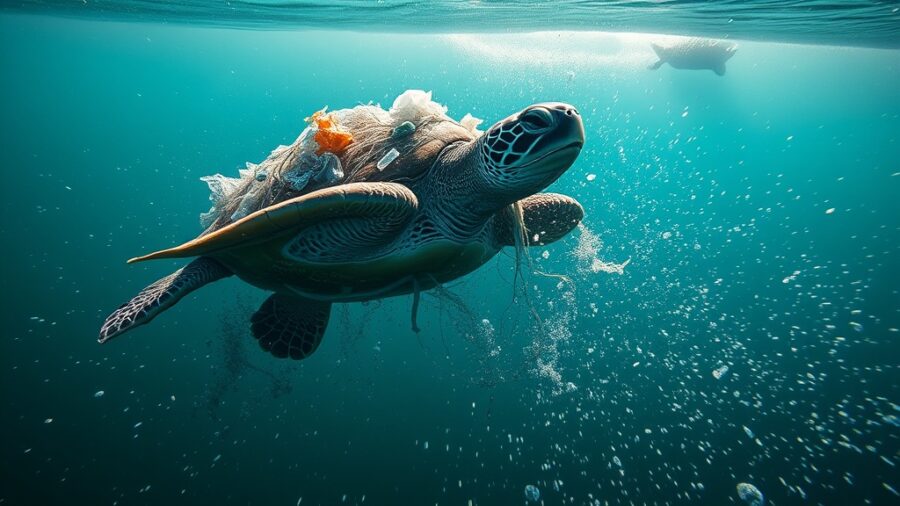
Macroplastics, such as discarded fishing nets, plastic bags, and bottles, also contribute to the crisis. These larger pieces can entangle marine life, leading to injury or death. In fact, it is estimated that over 100,000 marine animals die each year due to plastic entanglement. Furthermore, the presence of plastics in the ocean disrupts the natural behaviors of marine species, affecting their feeding, reproduction, and migration patterns.
Effects on Marine Biodiversity
The impact of plastic waste on marine biodiversity is profound. Marine species, including fish, seabirds, and mammals, often ingest plastic debris, mistaking it for food. This can lead to serious health issues, including malnutrition, intestinal blockage, and even death. Notably, species such as sea turtles and seabirds are particularly vulnerable, with studies revealing that over 50% of sea turtles have ingested plastic at some point in their lives.
Moreover, the introduction of microplastics into the food chain can have far-reaching consequences. When smaller fish consume microplastics, these particles can accumulate in their tissues and ultimately be passed on to larger predators, including humans. This bioaccumulation poses significant risks not only to marine ecosystems but also to food security and human health.
How Ocean Pollution Affects Human Health
Direct Health Risks from Marine Pollution
The ocean pollution plastic crisis does not only affect marine life; it also poses direct health risks to humans. Coastal communities, particularly in developing nations, rely heavily on fishing as a primary source of income and sustenance. The contamination of marine species with plastics and toxins can lead to serious health issues for those who consume contaminated seafood.
Research has shown that certain chemicals found in plastics, such as bisphenol A (BPA) and phthalates, can leach into the ocean and bioaccumulate in marine organisms. These substances are known endocrine disruptors and have been linked to reproductive and developmental issues in humans. Furthermore, the consumption of contaminated seafood can lead to long-term health effects, including an increased risk of cancer and metabolic disorders.
Impact on Water Quality
Ocean pollution also compromises water quality, which can have immediate and long-term effects on human health. Polluted water can lead to the spread of waterborne diseases, such as cholera and gastrointestinal infections. Communities that depend on polluted water sources for drinking and sanitation are particularly at risk. The World Health Organization (WHO) estimates that about 2 billion people globally lack access to safely managed drinking water, highlighting the urgent need for action to combat ocean pollution.
Moreover, the presence of harmful algal blooms, often exacerbated by nutrient runoff and plastic pollution, can lead to the production of toxins that contaminate seafood and pose serious health risks to humans. This interconnectedness between ocean health and human health underscores the importance of addressing the plastic crisis as a public health priority.
Global Efforts to Combat Ocean Plastic Pollution
International Agreements and Initiatives
In response to the escalating ocean pollution plastic crisis, various international agreements and initiatives have been established to combat plastic waste. One notable example is the United Nations Environment Programme (UNEP), which has launched the Clean Seas campaign aimed at reducing marine litter and promoting sustainable practices.
Additionally, the Global Plastics Treaty is currently being discussed to establish legally binding commitments for countries to reduce plastic production and waste. This treaty aims to address the entire lifecycle of plastics, from production and consumption to end-of-life management, and is crucial for fostering global cooperation in tackling this crisis.
National and Local Efforts
On a national level, countries around the world are implementing policies to reduce plastic waste. For example, the European Union has proposed a ban on single-use plastics, which will significantly reduce the amount of plastic entering the ocean. Similarly, countries like Canada and India have taken steps to phase out single-use plastics and promote alternative materials.
Local communities are also taking action. Grassroots organizations are leading beach clean-up initiatives, advocating for better waste management practices, and educating the public about the importance of reducing plastic consumption. These localized efforts play a critical role in addressing the crisis and fostering a culture of environmental stewardship.
Innovative Solutions to Reduce Plastic Waste
Technological Innovations
Innovative technologies are emerging as potential solutions to combat the ocean pollution plastic crisis. One such innovation is the development of biodegradable plastics, which can break down naturally over time, reducing their impact on marine ecosystems. These materials are designed to decompose under specific environmental conditions, offering a sustainable alternative to traditional plastics.
Additionally, advancements in waste management technologies, such as plastic recycling systems and waste-to-energy technologies, are crucial for minimizing plastic waste. For instance, innovative recycling methods can convert plastic waste into reusable materials, thereby reducing the need for new plastic production and limiting the amount of plastic that enters the ocean.
Community-Based Initiatives
Community-based initiatives are essential for fostering a culture of sustainability and reducing plastic waste. Educational programs aimed at raising awareness about the impacts of plastic pollution are crucial for encouraging individuals to adopt more sustainable practices. Schools, local governments, and non-profit organizations are collaborating to implement programs that teach the importance of reducing, reusing, and recycling plastic.
Moreover, community-led initiatives, such as zero-waste movements and local clean-up events, empower individuals to take direct action in their neighborhoods. These grassroots efforts not only contribute to reducing plastic waste but also promote a sense of community responsibility towards ocean health.
The Role of Individuals in Tackling Ocean Pollution
Personal Actions and Lifestyle Changes
Individuals play a vital role in addressing the ocean pollution plastic crisis through personal actions and lifestyle changes. Simple steps, such as reducing the use of single-use plastics, opting for reusable bags and containers, and participating in local clean-up events, can collectively make a significant impact. By making conscious choices in our daily lives, we can contribute to reducing plastic waste and protecting marine ecosystems.
Furthermore, advocating for systemic change through social media and community engagement can amplify individual efforts. Sharing information about the effects of plastic pollution and supporting businesses that prioritize sustainability can influence broader societal shifts towards reducing plastic waste.
Engaging in Advocacy and Education
Engaging in advocacy and education is another important way individuals can contribute to tackling ocean pollution. By educating others about the impacts of plastic pollution and advocating for policies that promote sustainability, individuals can help raise awareness and drive change at the community and policy levels.
Joining local environmental organizations or participating in campaigns aimed at reducing plastic usage can amplify individual voices and create a collective impact. Through collaboration and advocacy, individuals can influence decision-makers and contribute to the global efforts to combat the plastic crisis.
Conclusion: Steps Towards a Cleaner Ocean
In summary, the ocean pollution plastic crisis represents a significant challenge that requires immediate attention and action. The impact of plastic waste on marine life and human health is profound, and the need for innovative solutions and collective efforts has never been more urgent. From international agreements and technological innovations to community-based initiatives and individual actions, there are numerous ways to address this crisis.
As we move forward, it is crucial for governments, organizations, and individuals to come together to prioritize sustainable practices and reduce plastic waste. By fostering a culture of environmental stewardship and taking concrete steps towards a cleaner ocean, we can ensure a healthier planet for future generations.
Frequently Asked Questions about Ocean Pollution
What is ocean plastic pollution?
Ocean plastic pollution refers to the accumulation of plastic debris in the oceans, which poses significant threats to marine life and ecosystems. This pollution includes microplastics, macroplastics, and other plastic waste that can take hundreds of years to decompose.
How does plastic pollution affect marine animals?
Plastic pollution affects marine animals through ingestion and entanglement. Many marine species mistake plastic for food, leading to malnutrition and health issues. Additionally, larger pieces of plastic can entangle marine life, causing injury or death.
What are the health risks associated with consuming seafood contaminated with plastics?
Consuming seafood contaminated with plastics can expose humans to harmful chemicals, such as BPA and phthalates, which are known to disrupt hormonal systems and may increase the risk of various health issues, including reproductive problems and cancer.
What actions can governments take to reduce ocean plastic pollution?
Governments can implement policies to ban single-use plastics, promote recycling, and invest in waste management infrastructure. Additionally, they can support international agreements aimed at reducing plastic production and waste.
How can individuals contribute to reducing plastic pollution?
Individuals can reduce plastic pollution by making conscious choices, such as using reusable bags and containers, participating in local clean-up efforts, and advocating for sustainable practices within their communities. Every small action counts in the fight against plastic waste.
Key Takeaways on the Ocean Pollution Plastic Crisis
- The ocean pollution plastic crisis poses significant threats to marine life and human health.
- Plastic waste can take hundreds of years to decompose, leading to long-term environmental damage.
- International agreements and local initiatives are crucial for addressing this crisis effectively.
- Innovative technologies and community-based actions play a vital role in reducing plastic waste.
- Individuals can make a difference through personal actions and advocacy for sustainable practices.
- Education and awareness are essential for driving collective change and promoting environmental stewardship.
- Addressing ocean pollution requires a collaborative effort from governments, organizations, and individuals.
- Protecting our oceans is imperative for the health of our planet and future generations.